
Baden and the Habsburgs
Aquae Helveticae was the name given to a settlement in the area of today's town of Baden during Roman times. Legionnaires from the nearby camp of Vindonissa (now Windisch) used the 46.6-degree thermal water even back then. Thanks to its healing properties, it is still highly valued today in the spa town of Baden.
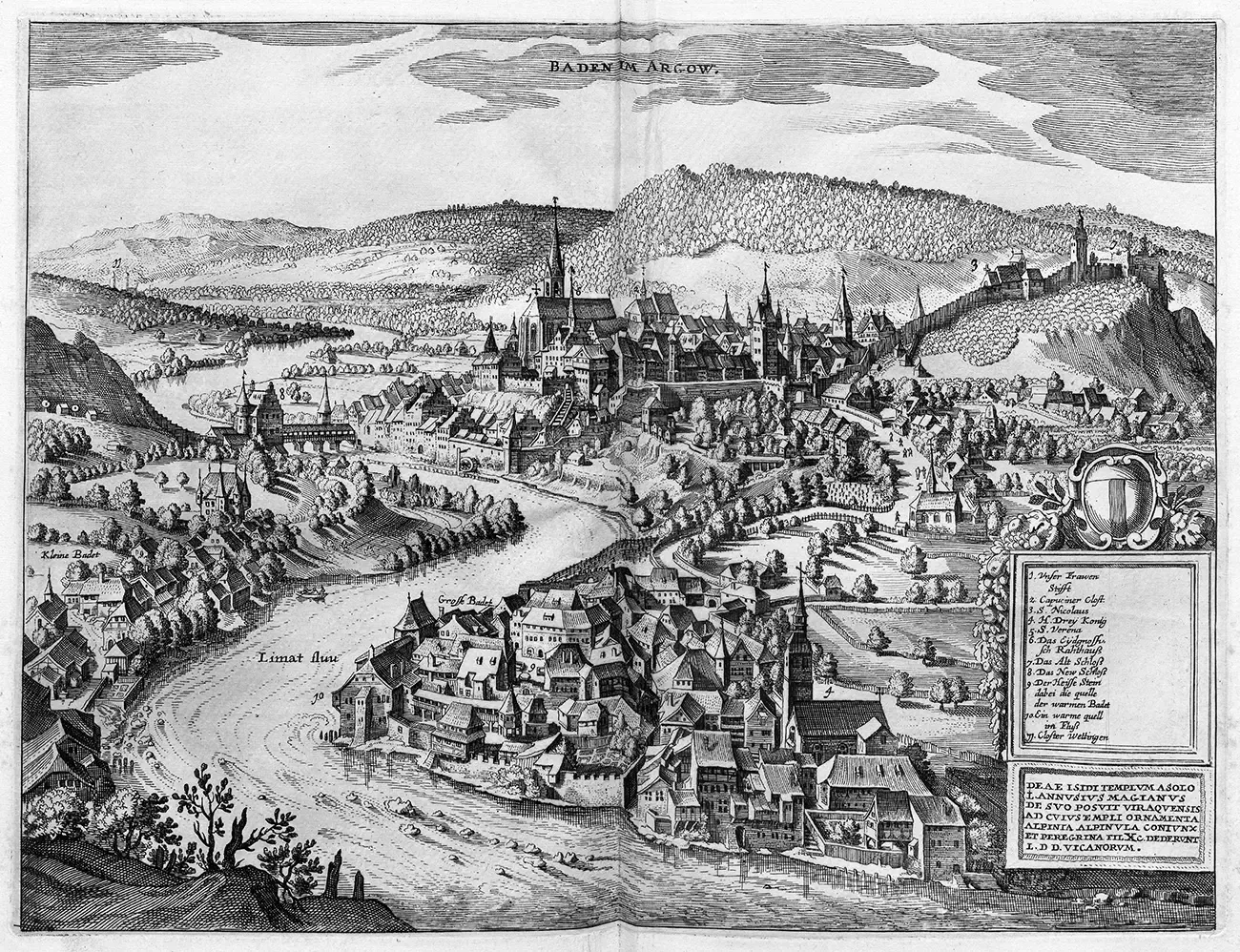
Around 1090, the fortified castle—which would later become Stein Castle—was built on a rocky outcrop overlooking the Limmat River. It first belonged to the Nellenburg family, then to the Lenzburg family, and, after their line died out, to the Kyburg family.
After the death of the last Kyburg, Duke Rudolf IV of Habsburg seized his inheritance in 1264, including Baden. From then on, a Habsburg bailiff held office at the castle. It was there that the Habsburg archives were kept, including the famous Habsburg Urbar (page in German). In 1273, Rudolf was elected King of the Romans. From then on, he resided in Baden on several occasions and, later, sought relief from his gout in the thermal waters.
Baden was finally granted citizenship by the Habsburgs in 1294 and was transformed into a fortress to counter Zurich, which was eager to expand. During those years, the Habsburgs and the nascent Swiss Confederation clashed with increasing intensity. Before the Battle of Morgarten (page in German) in 1315, the Habsburgs gathered their troops in Baden and Brugg.
Agnes of Hungary (page in German), daughter of King Albrecht I of Habsburg, founded a hospital next to the Catholic church in 1349.
In 1415, the Confederates conquered Aargau. Most towns surrendered without a fight, but Baden put up a fierce defence. Stein Castle was destroyed, and the Habsburg archives, containing nearly 2,000 documents, were looted. The Confederates burned the particularly important documents, thereby preventing the Habsburgs from precisely formulating their claims to Aargau and relying on historical records. The archives were returned to the Habsburgs 60 years later, but they were in very poor condition. Baden was now a territory subject to the Confederation, but was considered by many to be the secret capital of the Confederation due to its role as the meeting place of the Federal Diet (page in German).
The rebuilt Stein Castle was destroyed again during the Second War of Villmergen (page in German)in 1712. It was particularly humiliating for the Catholic inhabitants of Baden that the victors used the stones from the castle to build the Reformed town church. In 1714, the town regained its former glory when 60 delegations from all over Europe ended the War of the Spanish Succession with the Peace Congress of Baden in the Diet Hall in Baden.
Traces of the Habsburgs today
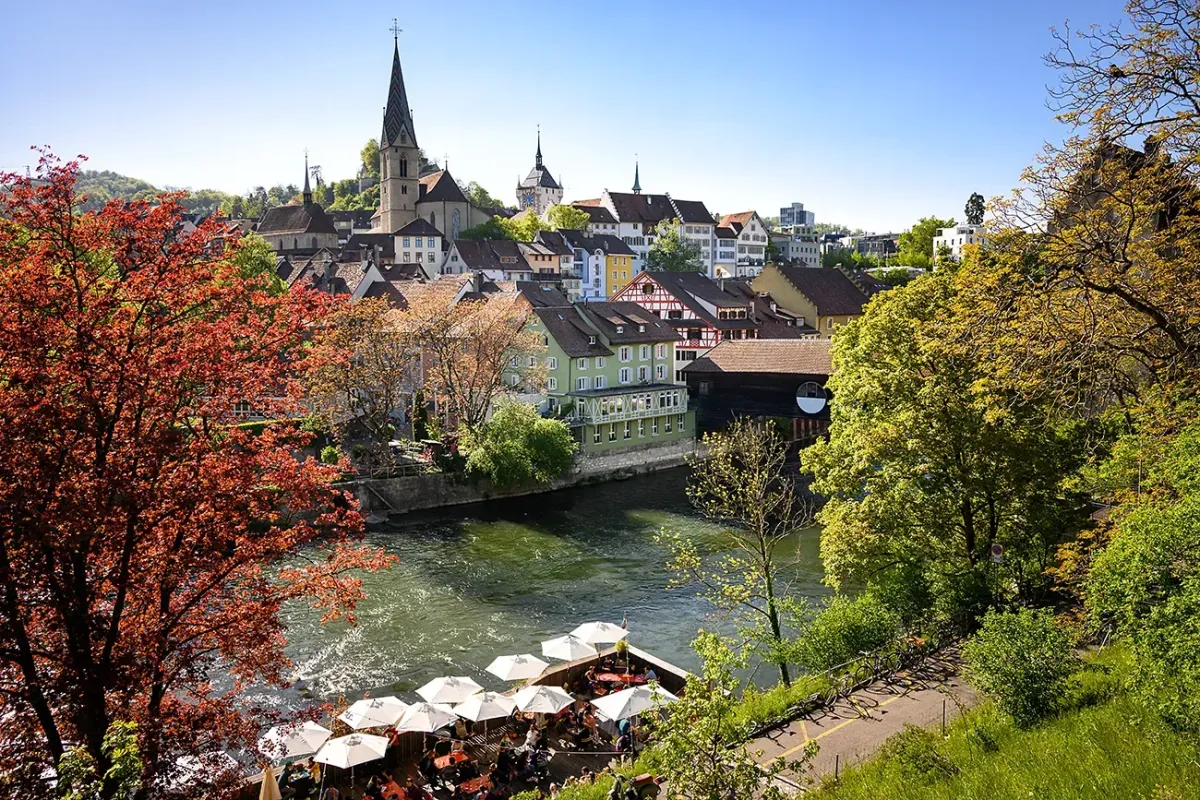
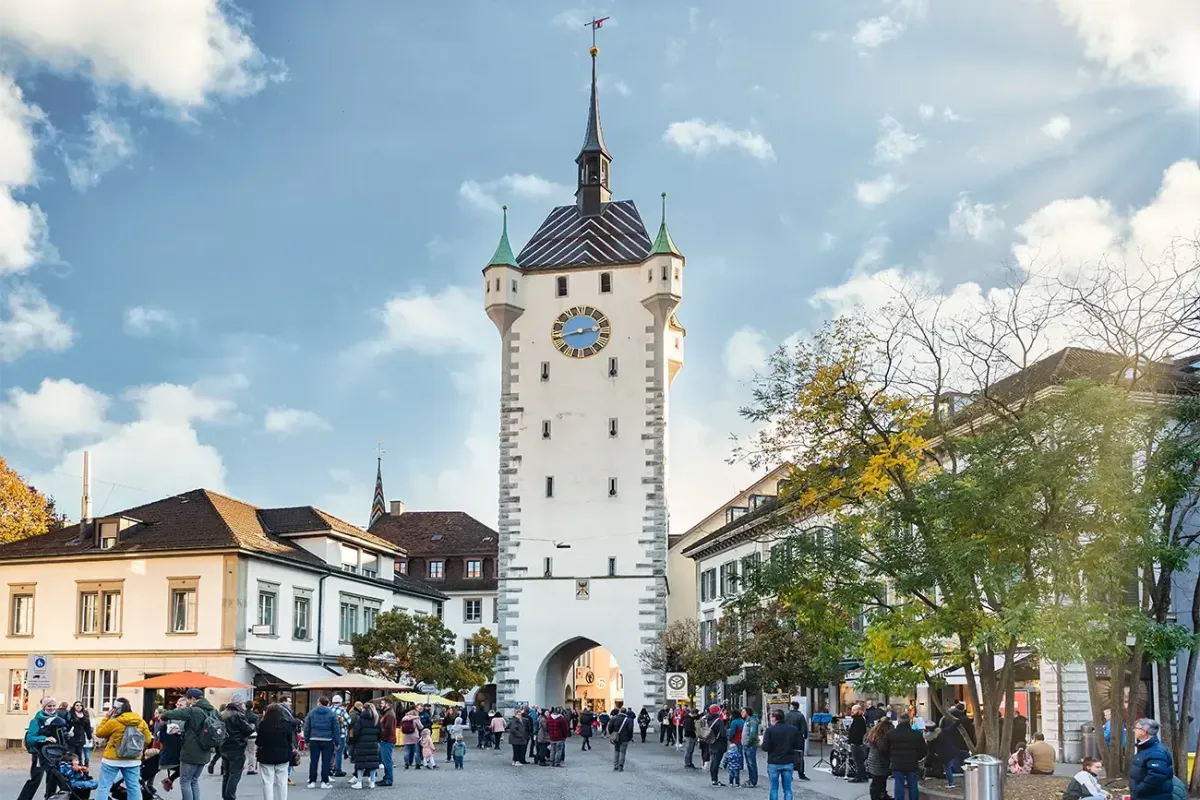
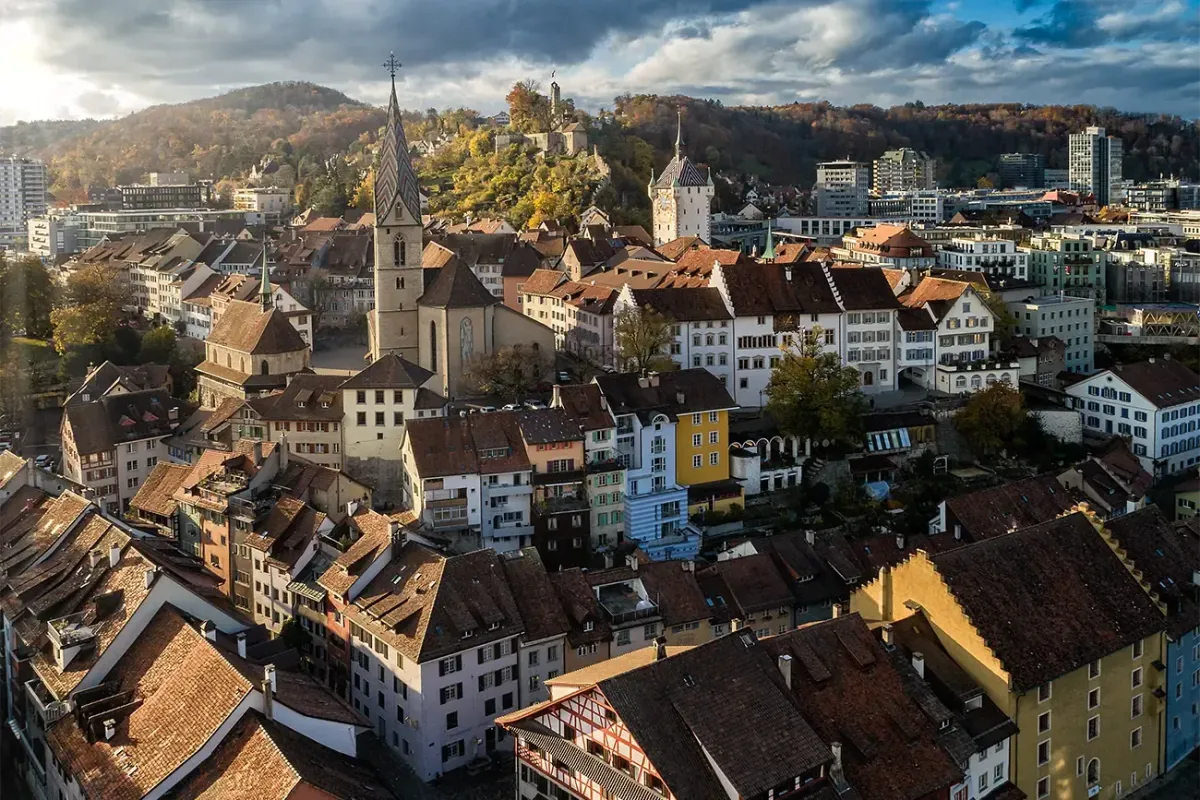
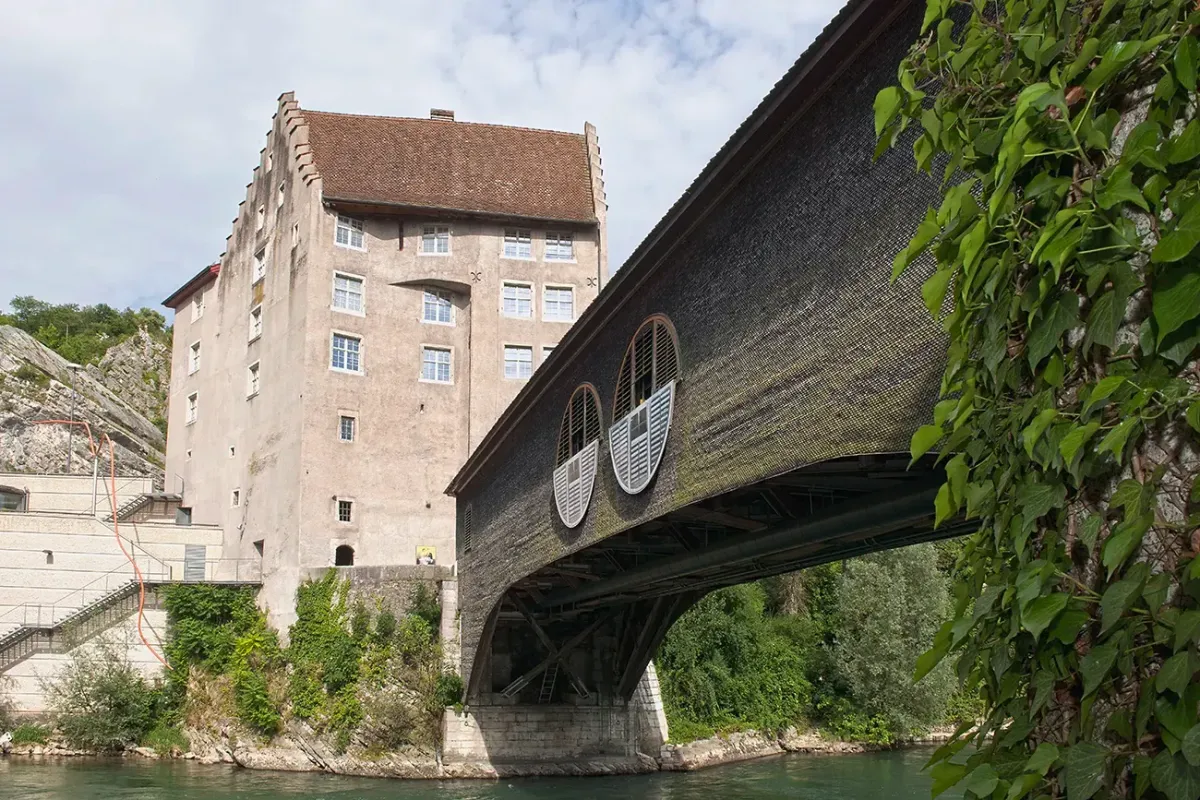
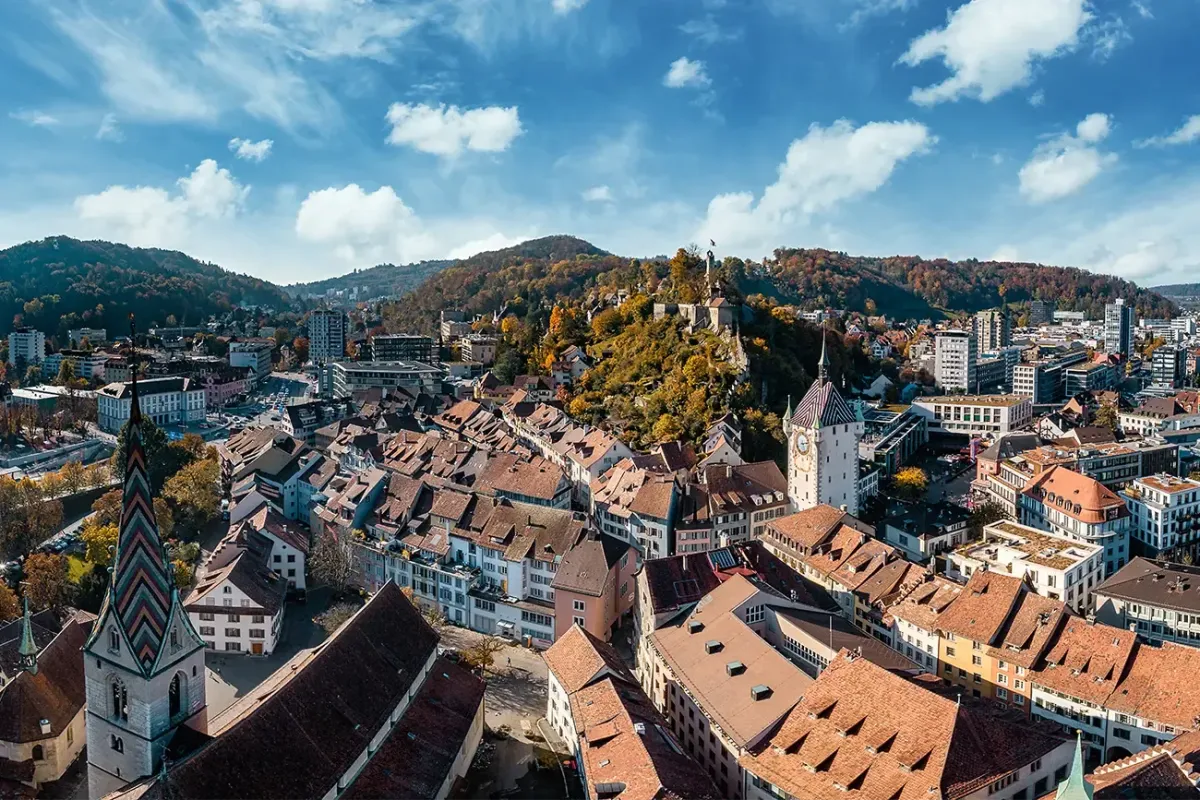
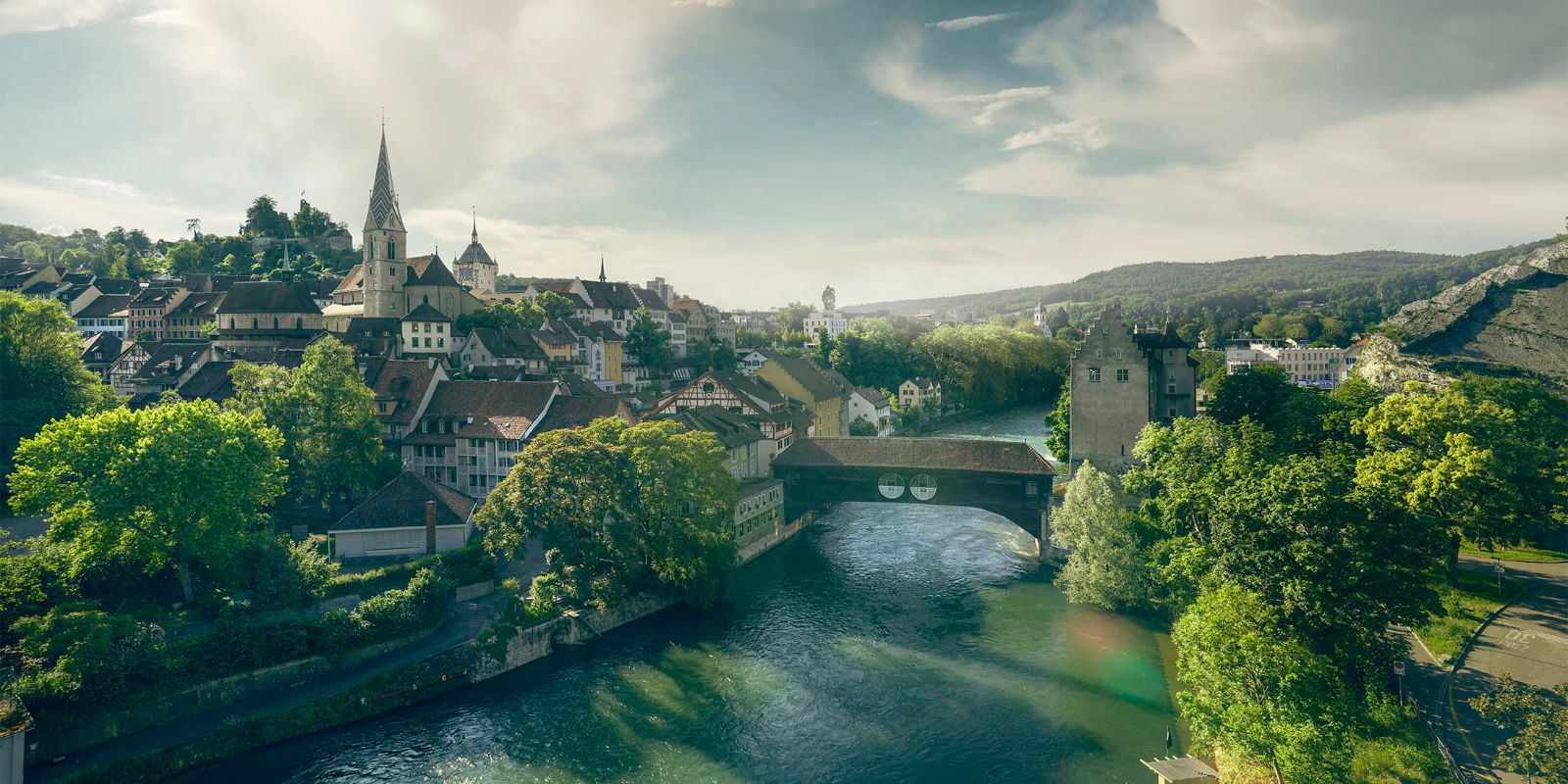
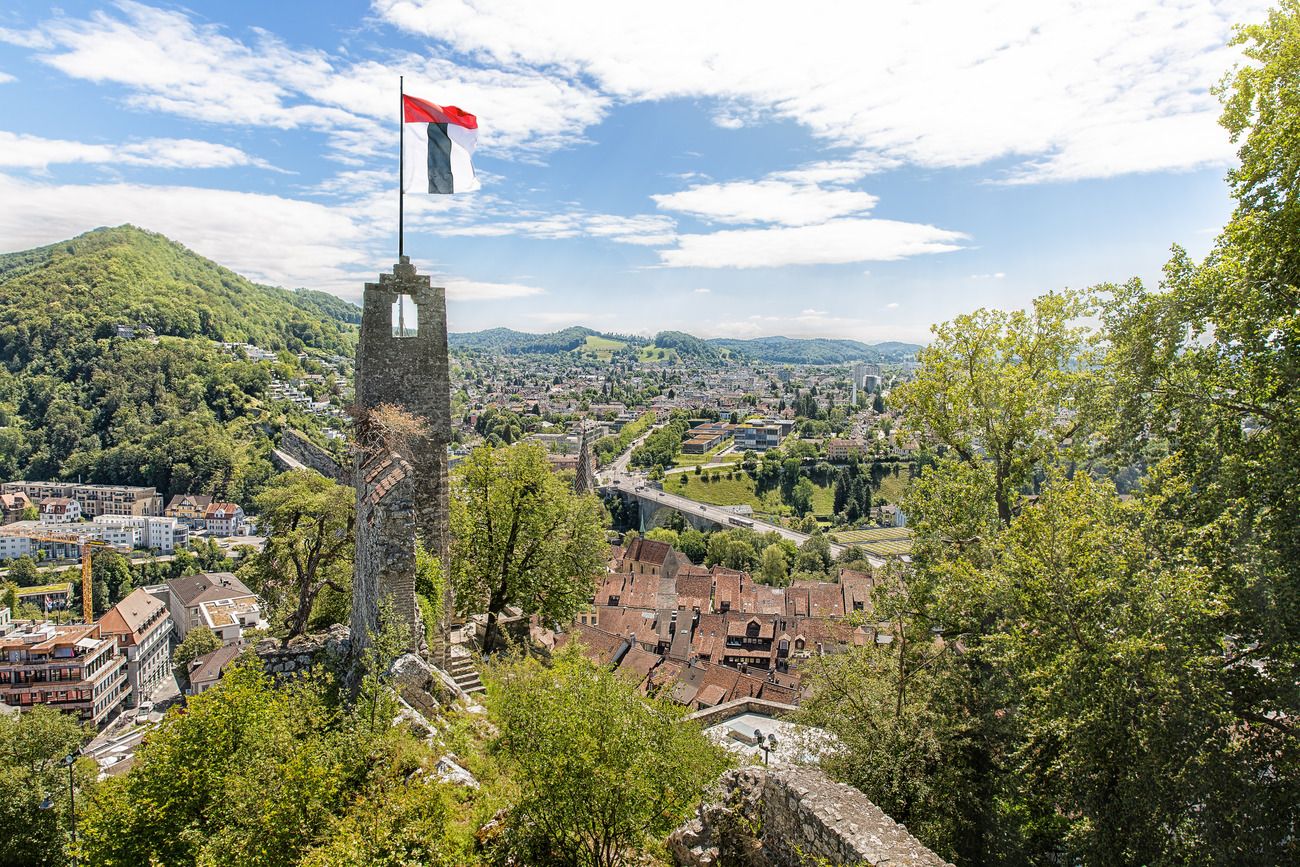
Only the watchtower and chapel remain of the once imposing Stein Castle. The secured ruins are open to the public and guided tours are available. The shortest footpath leads up via St. Niklaus Stiege. From here, there is a wonderful view of the old town, the vineyards and the Limmat Valley, among other things. The castle ruins and the silhouette of the remaining parts of the city and ring walls, as well as the city tower, are very popular subjects for postcards. You can also trace the city's history in the city museum in the old bailiff's castle (whose predecessor dates back to the 12th century) and in the extension building on the Limmat.
A tour of Baden's old town and spa district is well worth the effort. Many of the buildings date back, in part, to well before 1415. A row of Gothic houses, including the town hall (Rathausgasse 1), can be traced back to the 14th century. The town hall was used by the Swiss Confederates for around 300 years for their daily meetings. It is open to visitors (with a guided tour). Those who wish to can even get married there.
Baden today