
Muri Abbey and the Habsburgs
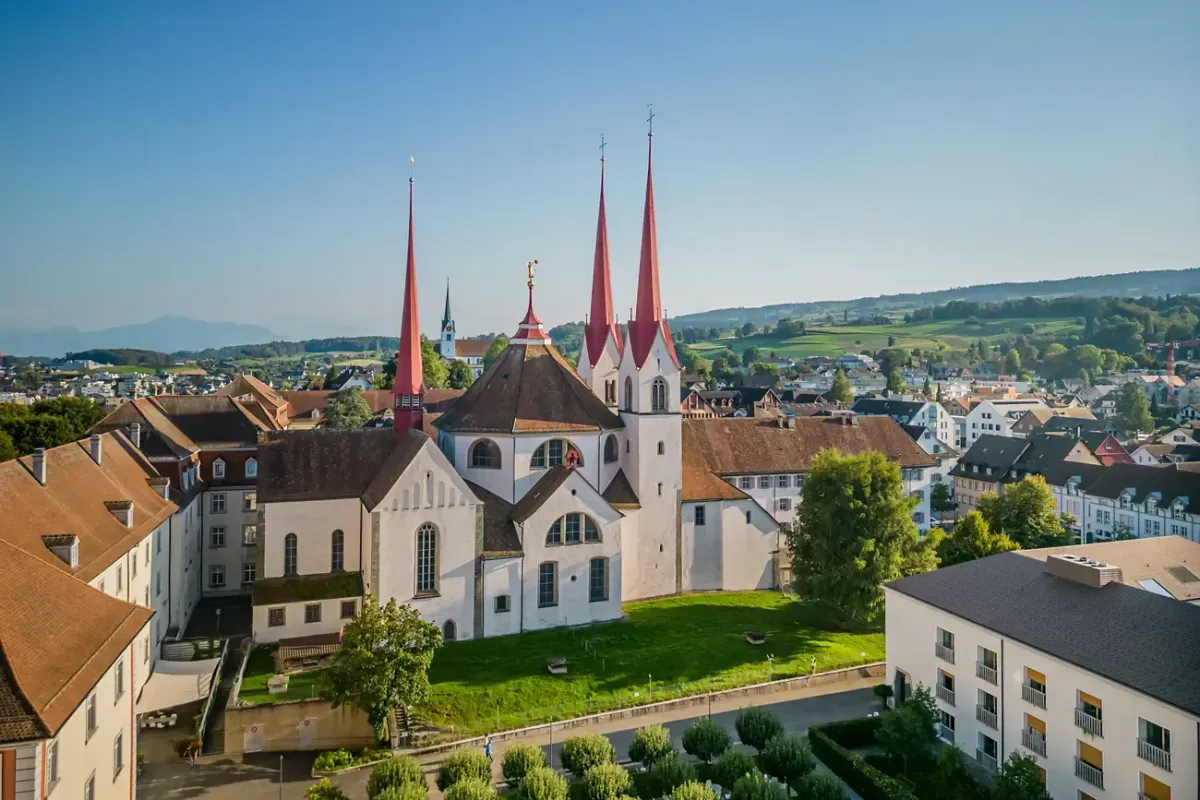
The Freiamt region of Aargau is considered Habsburg territory – and rightly so. Here, in Muri, stands the first monastery founded by the Habsburgs. It was created in 1027 by the Habsburg ancestors Count Radbot and his wife Ita of Lorraine.
Radbot is said to have transferred the Muri estates to his wife as a morning gift (page in German). When Ita learned of the unlawful circumstances surrounding the acquisition of the Murense possessions – Radbot's father Lanzelin had previously driven out the free farmers living in Muri and taken over their property – she suggested founding the monastery as a form of atonement. This information about the foundation comes from the ‘Acta Murensia’ (page in German), written in the 12th century.
Benedictine monks from Einsiedeln built the monastery. From 1083 onwards, Muri was a double monastery with a convent for around 100 years, until the nuns moved to Hermetschwil (page in German).
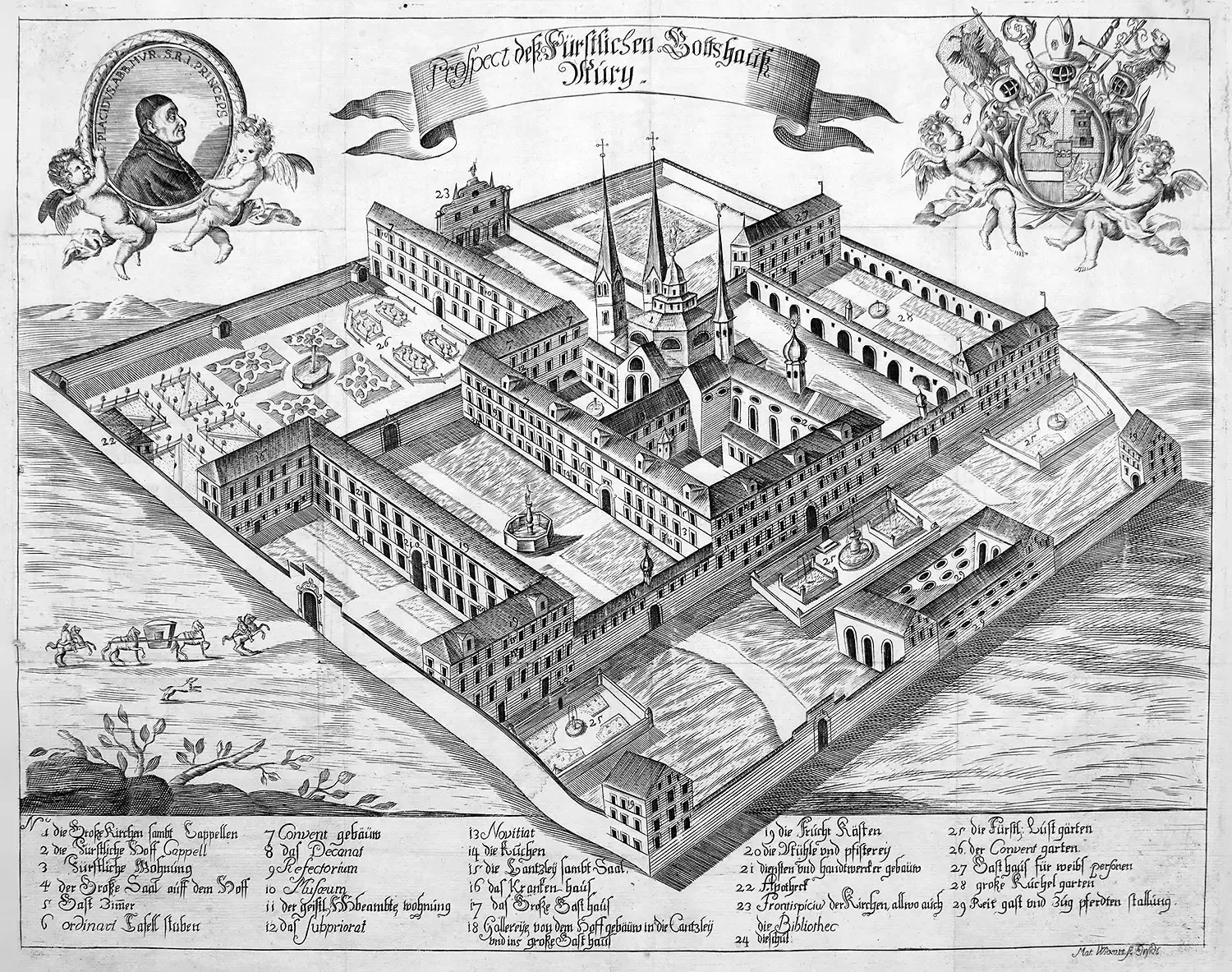
In 1415, the Confederates conquered Aargau, but this did nothing to hinder the monastery’s rise. It acquired vast estates, became the wealthiest abbey in the Confederation by the 17th century, and was even elevated to the rank of an abbatial principality in 1701.
However, the monks of Muri were expelled in 1841 after the Grand Council of Aargau decided to abolish the monastery (page in German). They found new places to carry out their work in Sarnen and Gries near Bolzano.
Traces of the Habsburgs today
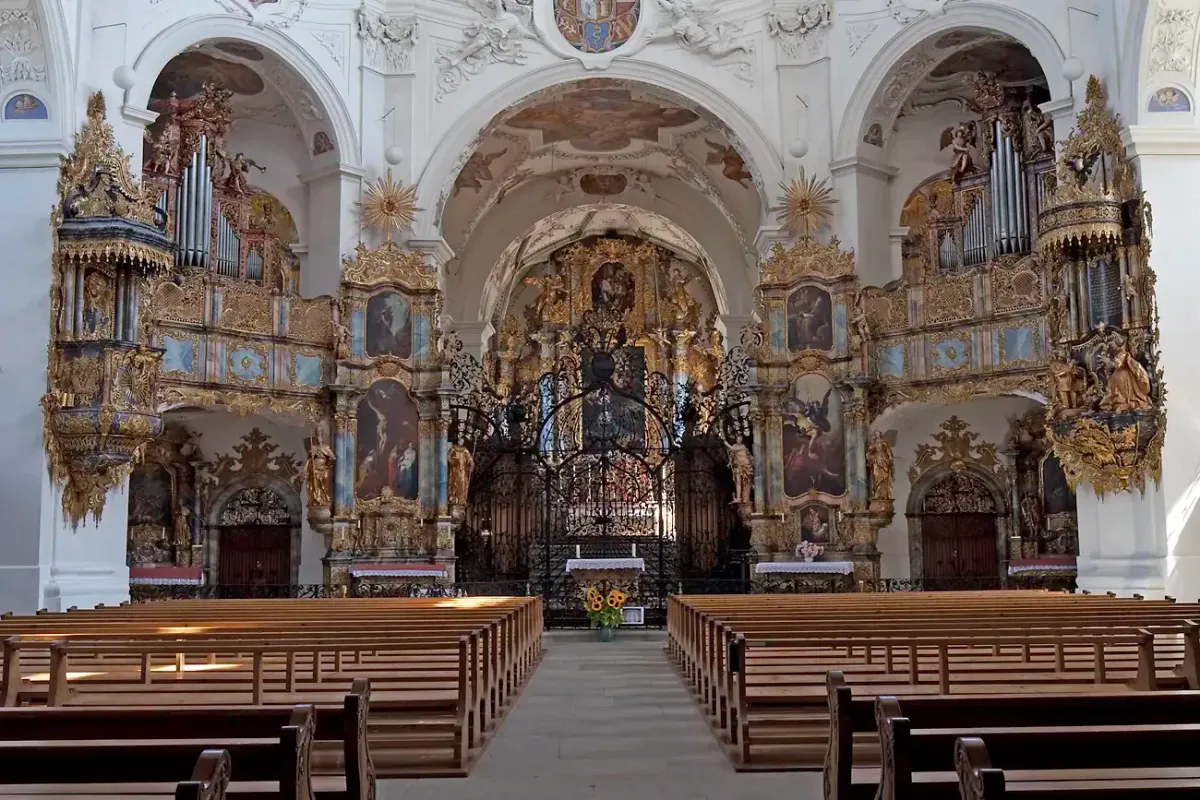
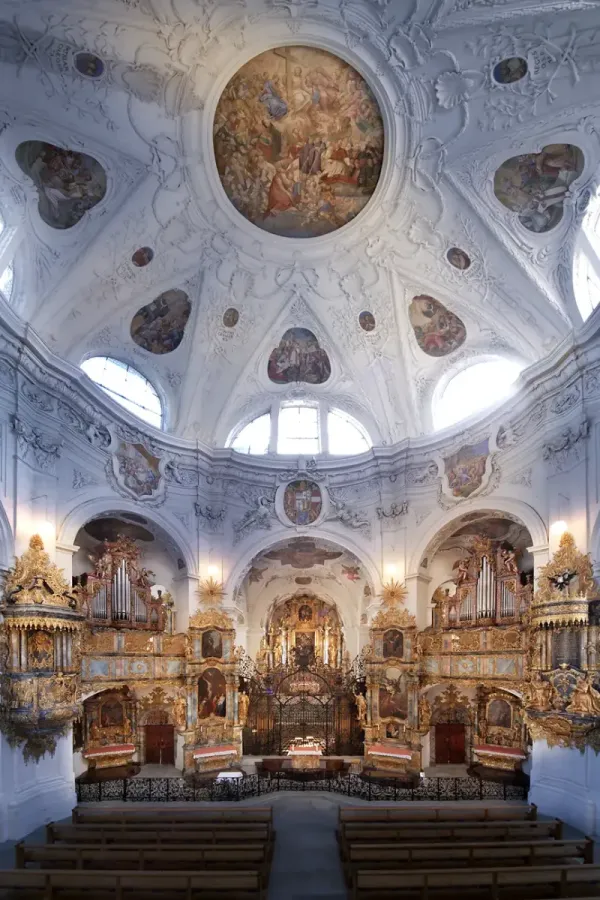
The abbot of Muri-Gries Abbey still visits Muri regularly, as do members of the Habsburg family. Due to its great historical, architectural and cultural value, the former monastery is considered a cultural asset of national importance. In the octagonal hall of the monastery church, built in 1750, visitors can admire the late Baroque monument dedicated to the Habsburgs and the founders Radbot and Ita of Lorraine. In front of the communion rail, in the floor of the church, lie the tombs of the first Habsburgs, as well as those of Radbot and Ita and Hedwig of Kyburg (died 1260), mother of King Rudolf I.
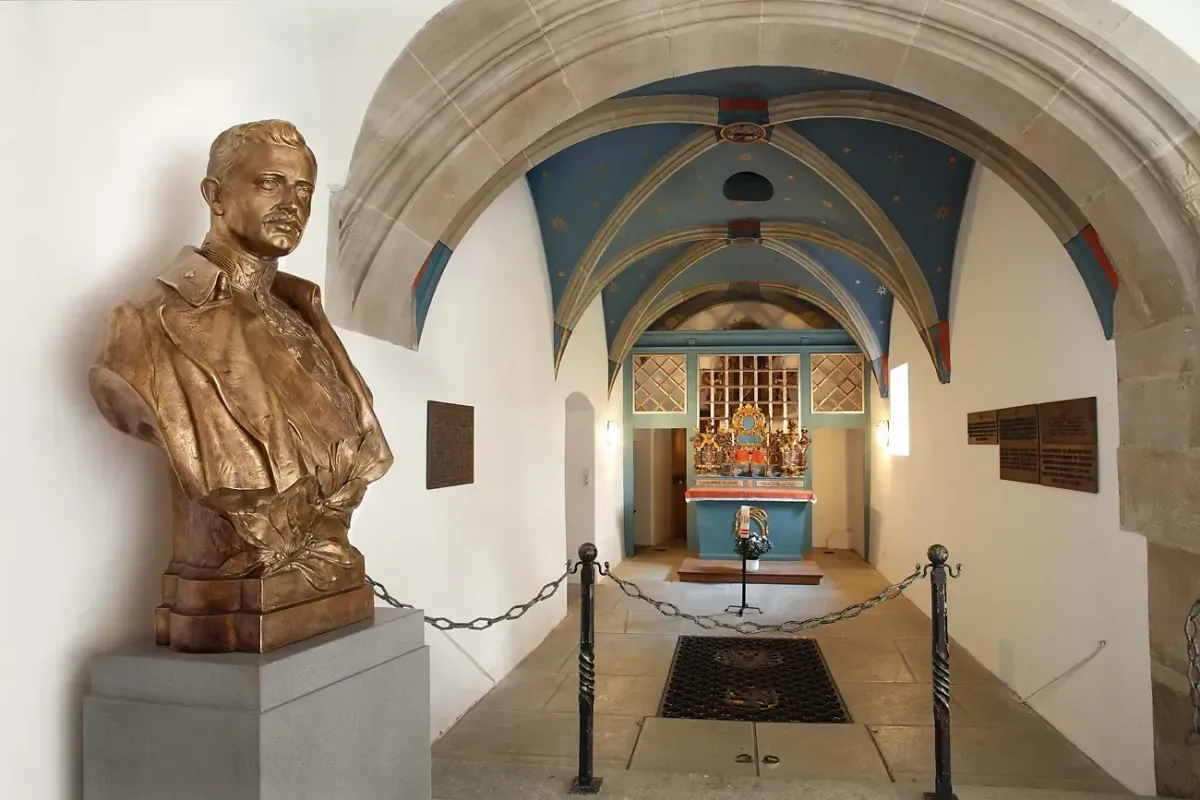
The Habsburgs still have very strong ties to their ‘family monastery’ in Muri. The hearts of the last emperor, Karl I, who died very young in 1922, and the last empress, Zita (died 1989), also rest here. They are buried behind the altar in the Loreto Chapel (page in German). Important representatives of the House of Habsburg who died between 1968 and 2022 rest in its crypt.
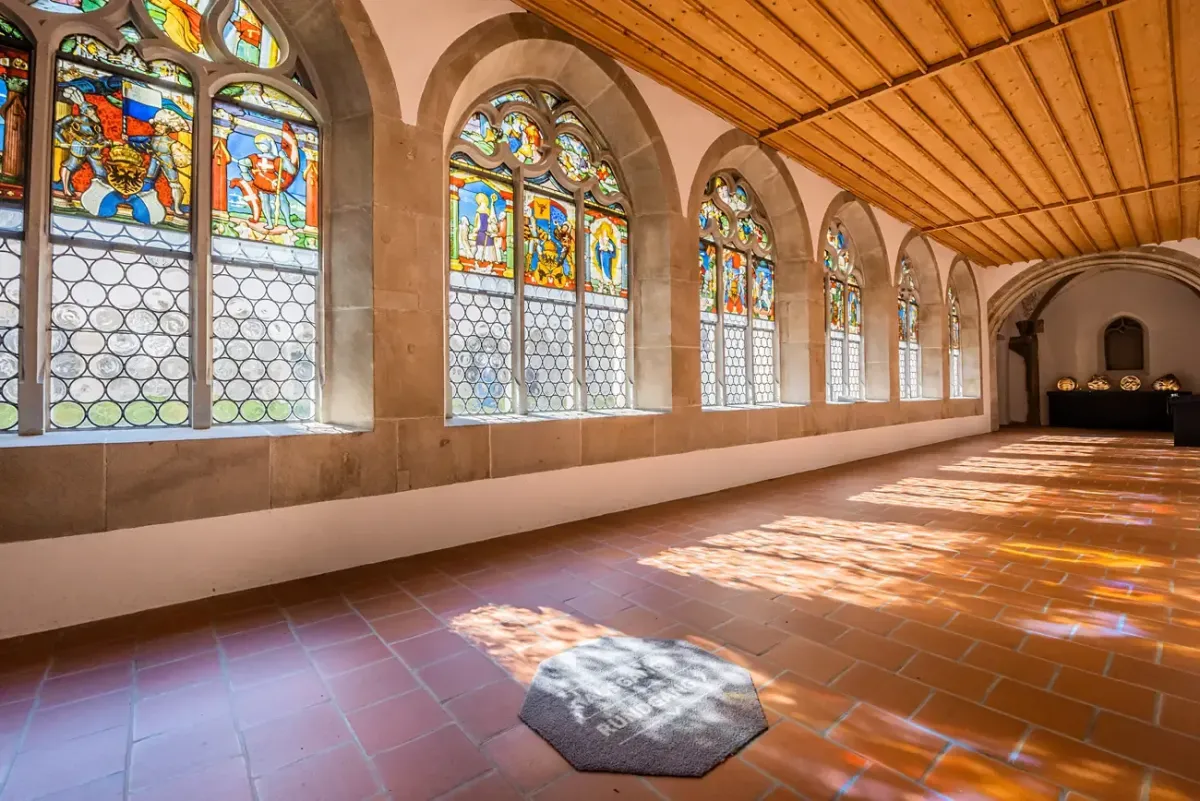
Even after their expulsion in 1415, the people of Muri still felt a strong connection to the Habsburgs. Accordingly, numerous Habsburg coats of arms can still be found in the monastery church and cloister today.
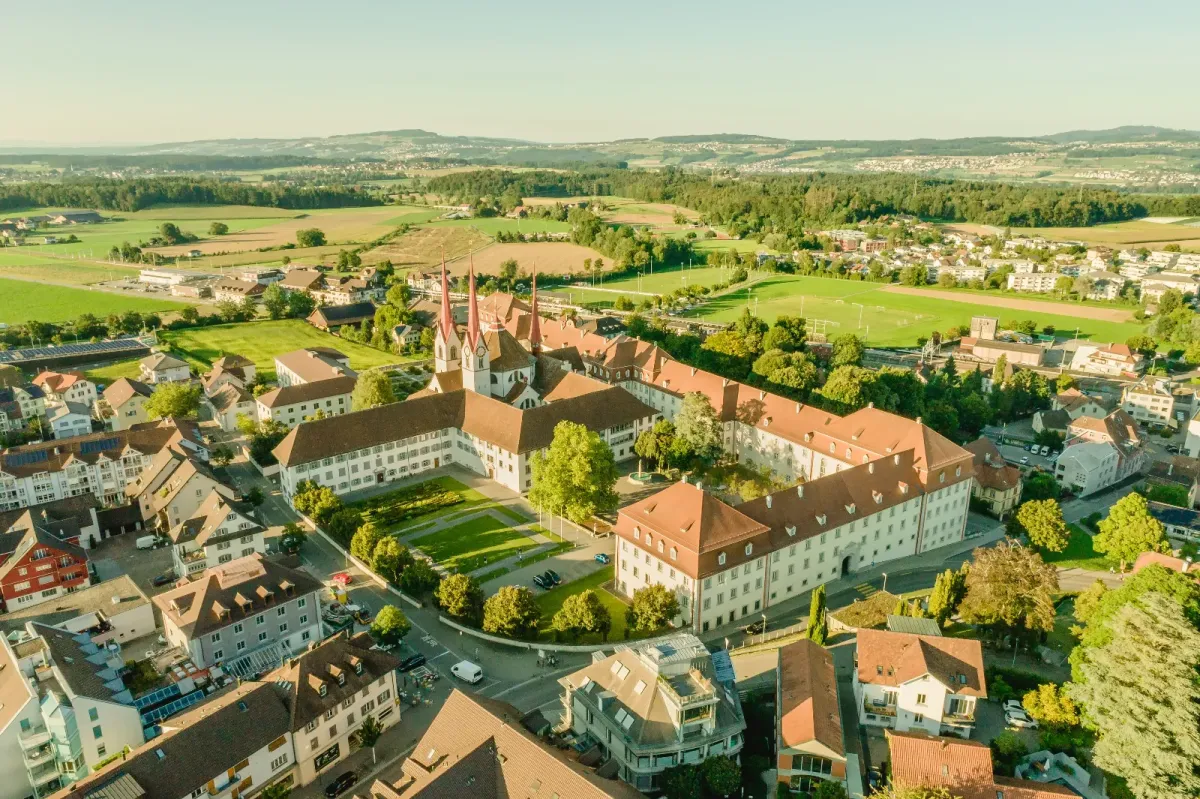
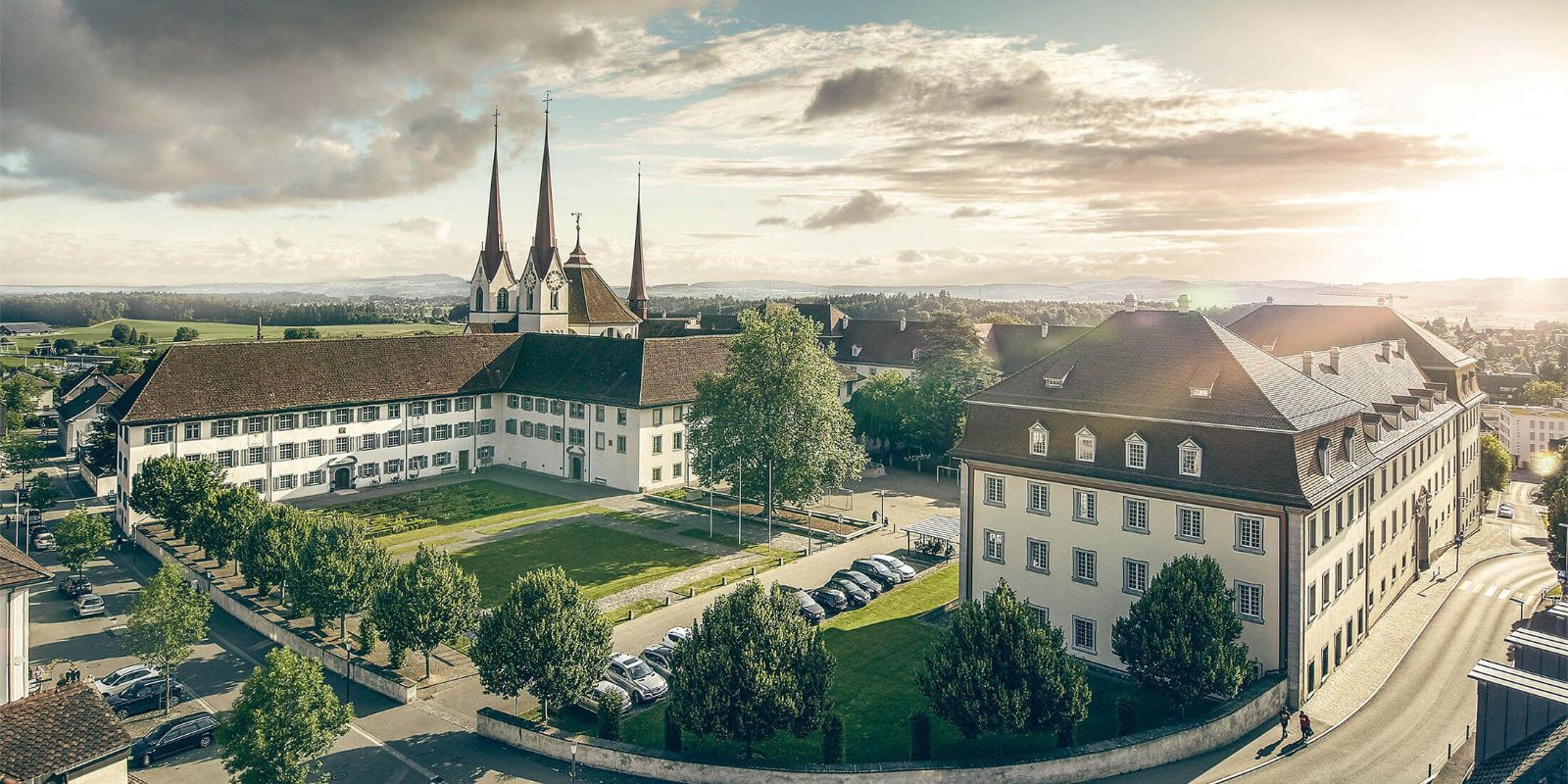
It is impossible not to be moved by the Baroque splendour of the church at the Saint-Martin Monastery and its five organs. In keeping with its long history, the monastery itself combines architectural styles ranging from Romanesque to Gothic and Baroque.
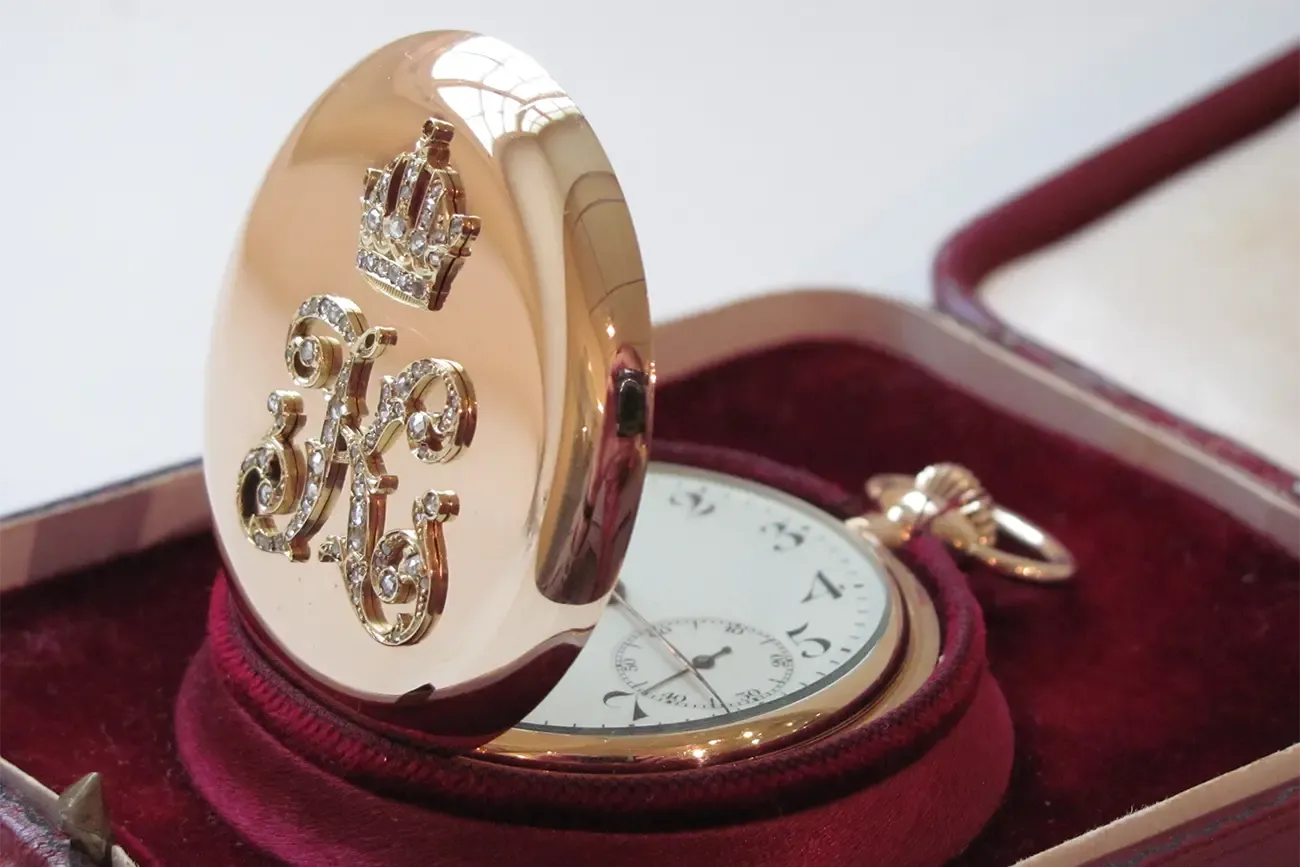
There is so much to discover that a guided tour is recommended. Certain areas of the monastery church, such as the crypt and high choir, can only be visited (page in German) as part of a guided tour. However, audio guides are available at the visitor centre for individual visits. Among other things, the monastery museum (page in German) displays a precious pocket watch that Karl I gave to a Lucerne police officer in 1921.
Muri Monastery Today