
Hallwyl Castle and the Habsburgs
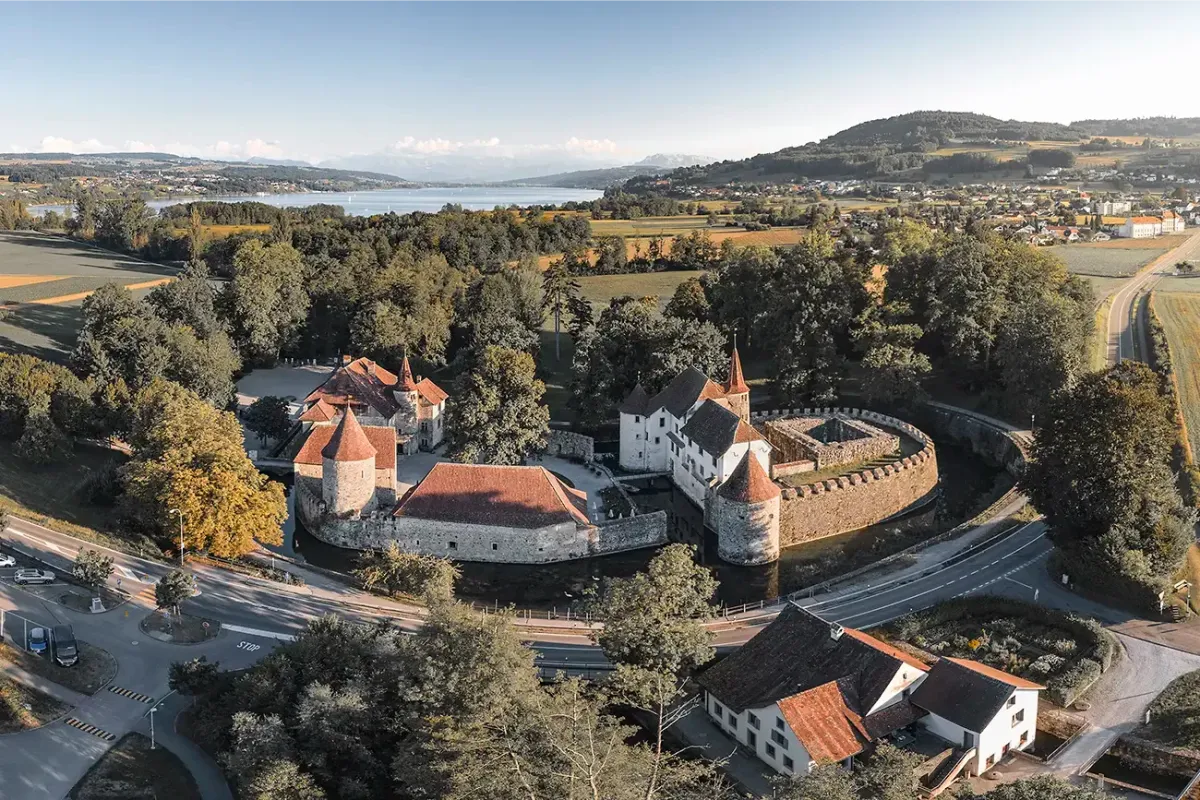
Hallwyl Castle, which is over 800 years old, is the only castle in Aargau that has belonged to the same family since its foundation. The family turned it into a foundation in 1925 and is still directly connected to the castle today: Count Michael von Hallwyl, who lives in Bavaria and donated the castle to the canton of Aargau in 1994, chairs the foundation board.
But back to the beginning: at the end of the 12th century, the Lords of Hallwyl built a stone tower on the Aabach river. Originally, they were probably barons and vassals of the Counts of Lenzburg (page in German) and may only have entered the service of Otto von Staufen (page in German) after that line died out in 1173, then entering the service of the Kyburgs in the early 13th century. After the Kyburgs died out in 1263, the hour of the Habsburgs struck. Under them, the Hallwyl family (page in German) prospered.
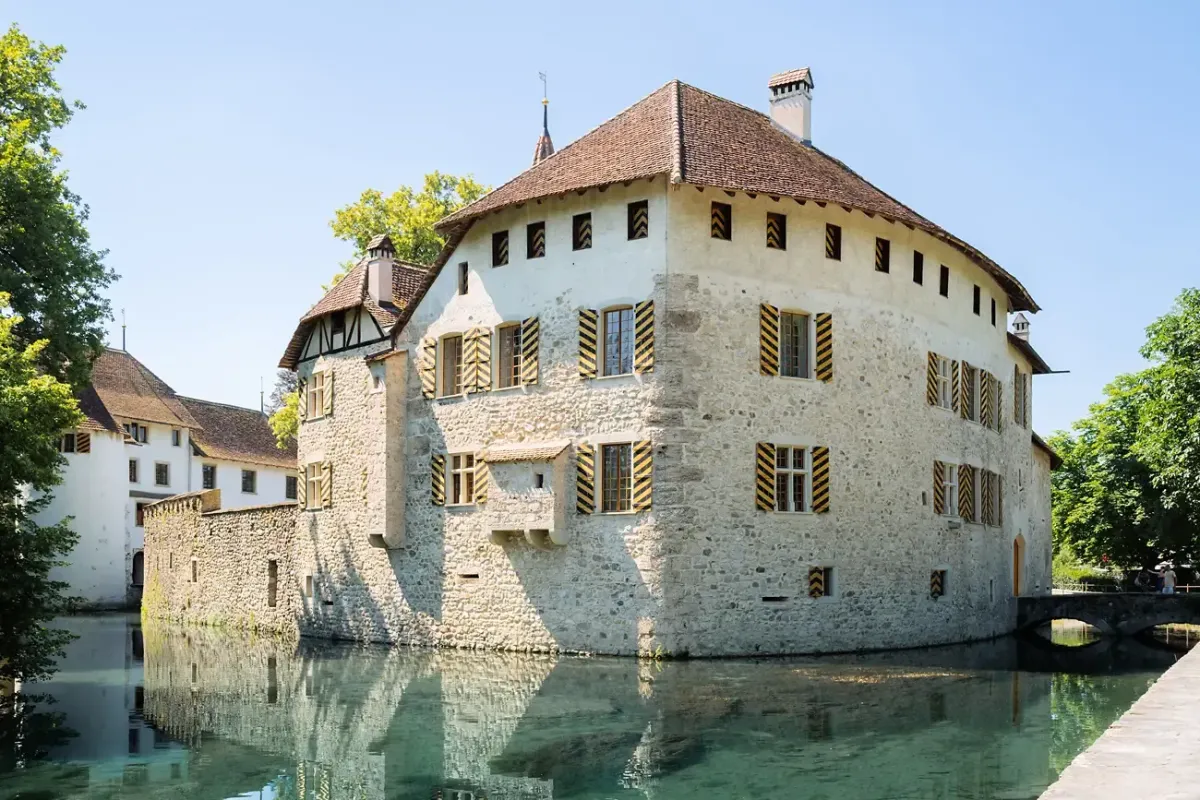
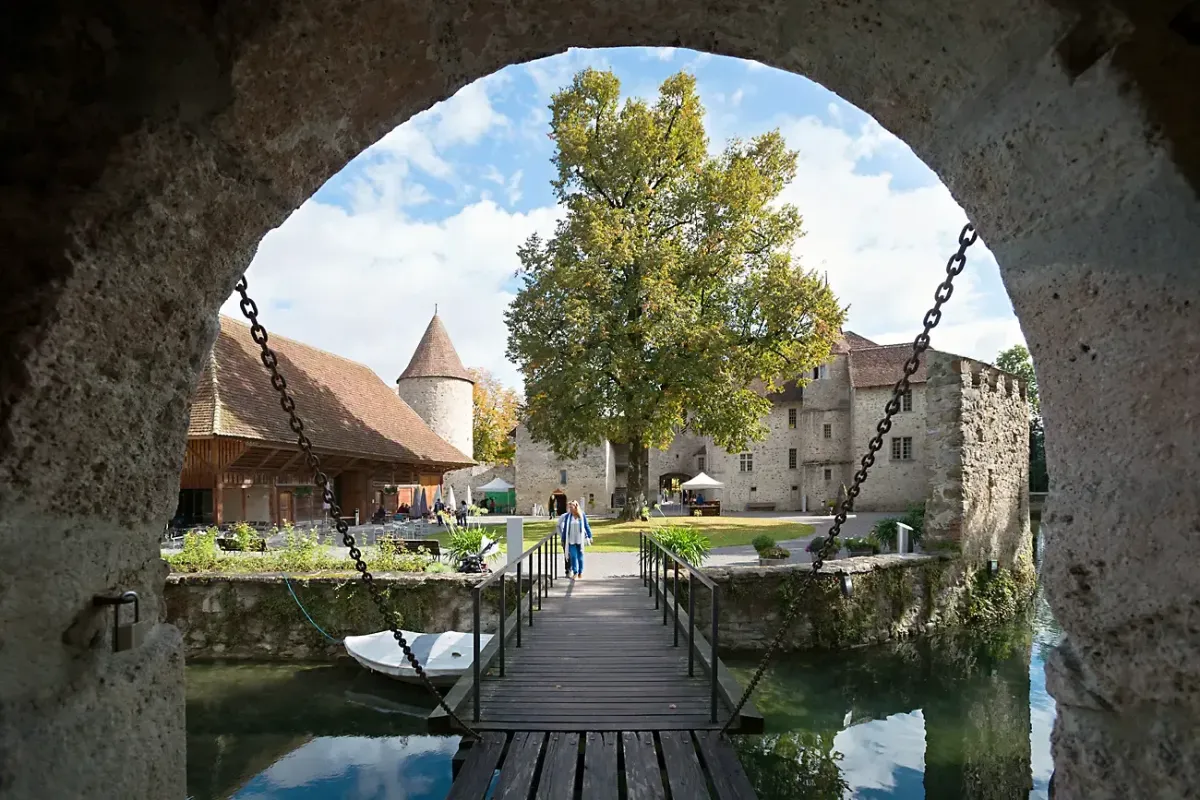
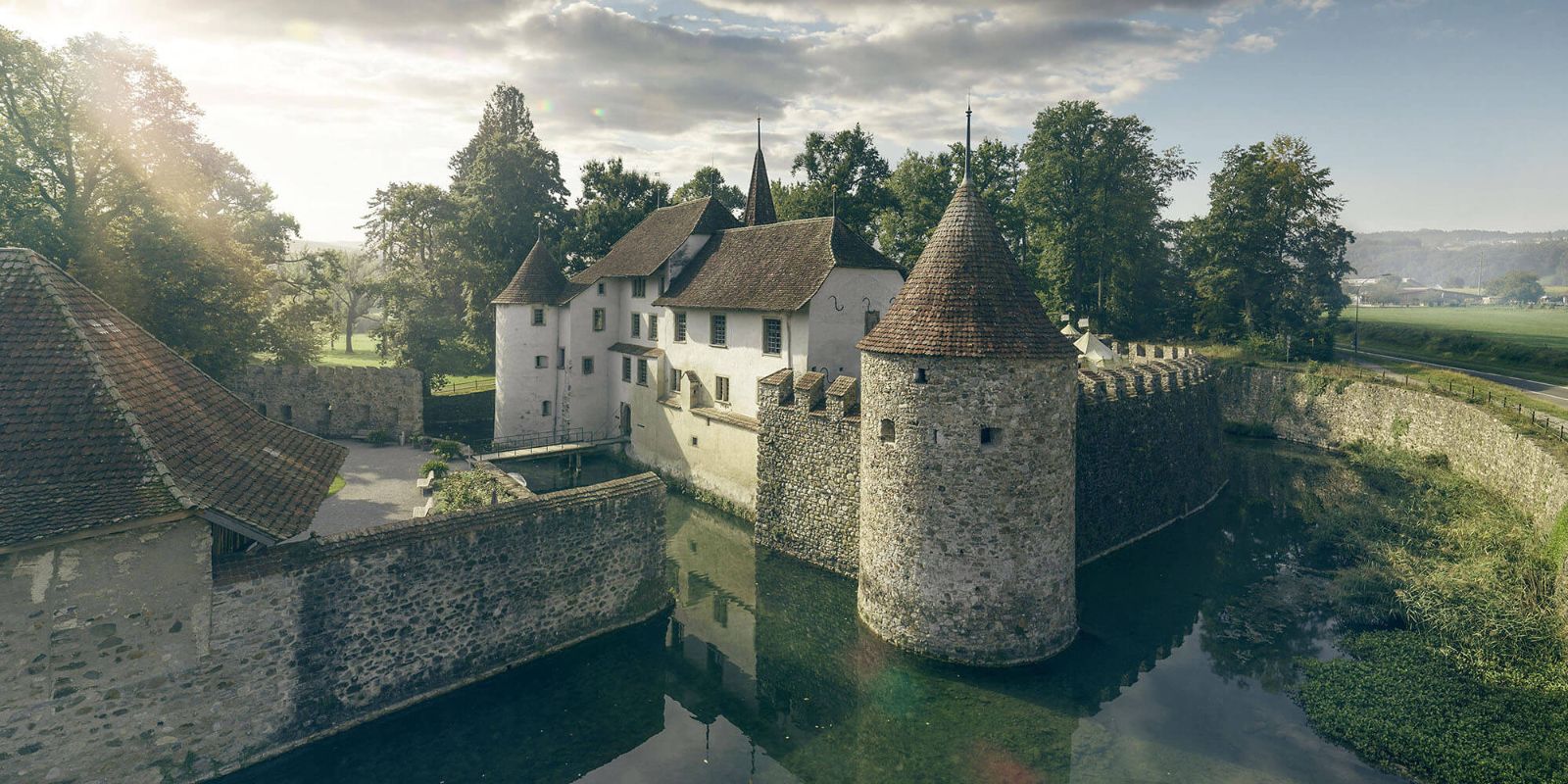
In the early 14th century, Johann I expanded the complex into a moated castle with a ring wall. It became the centre of aristocratic rule over Lake Hallwil and the villages at its northern end. After his death, his heirs drew up a ‘joint inheritance agreement’ stipulating that the ancestral estates must remain in the family's possession.
In 1415, Rudolf III von Hallwyl resisted the Bernese, who had already advanced far in their conquest of Aargau. The Bernese responded by burning down the castle. Rudolf rebuilt it. The family eventually submitted to the conquerors, thereby saving their family seat.
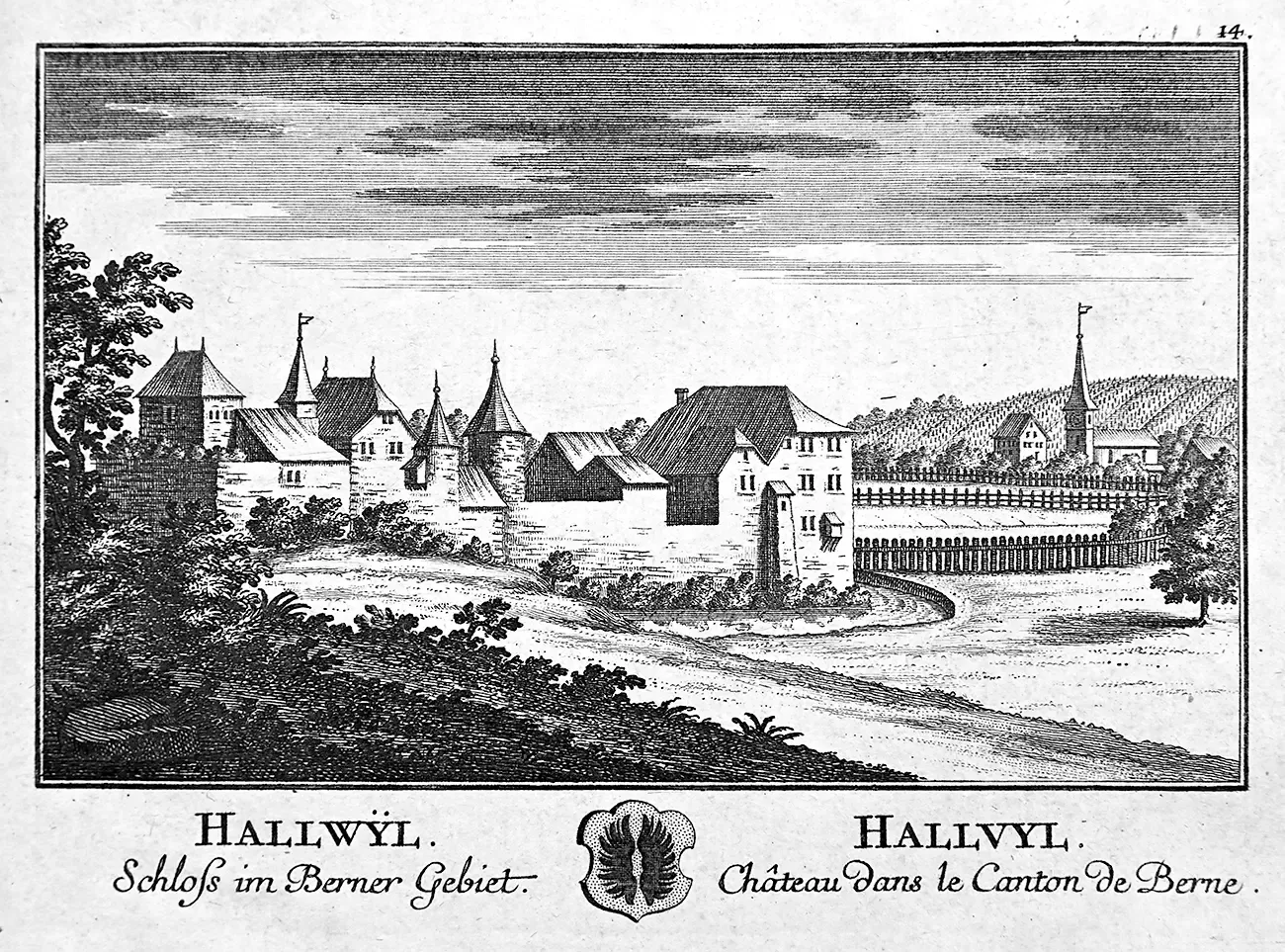
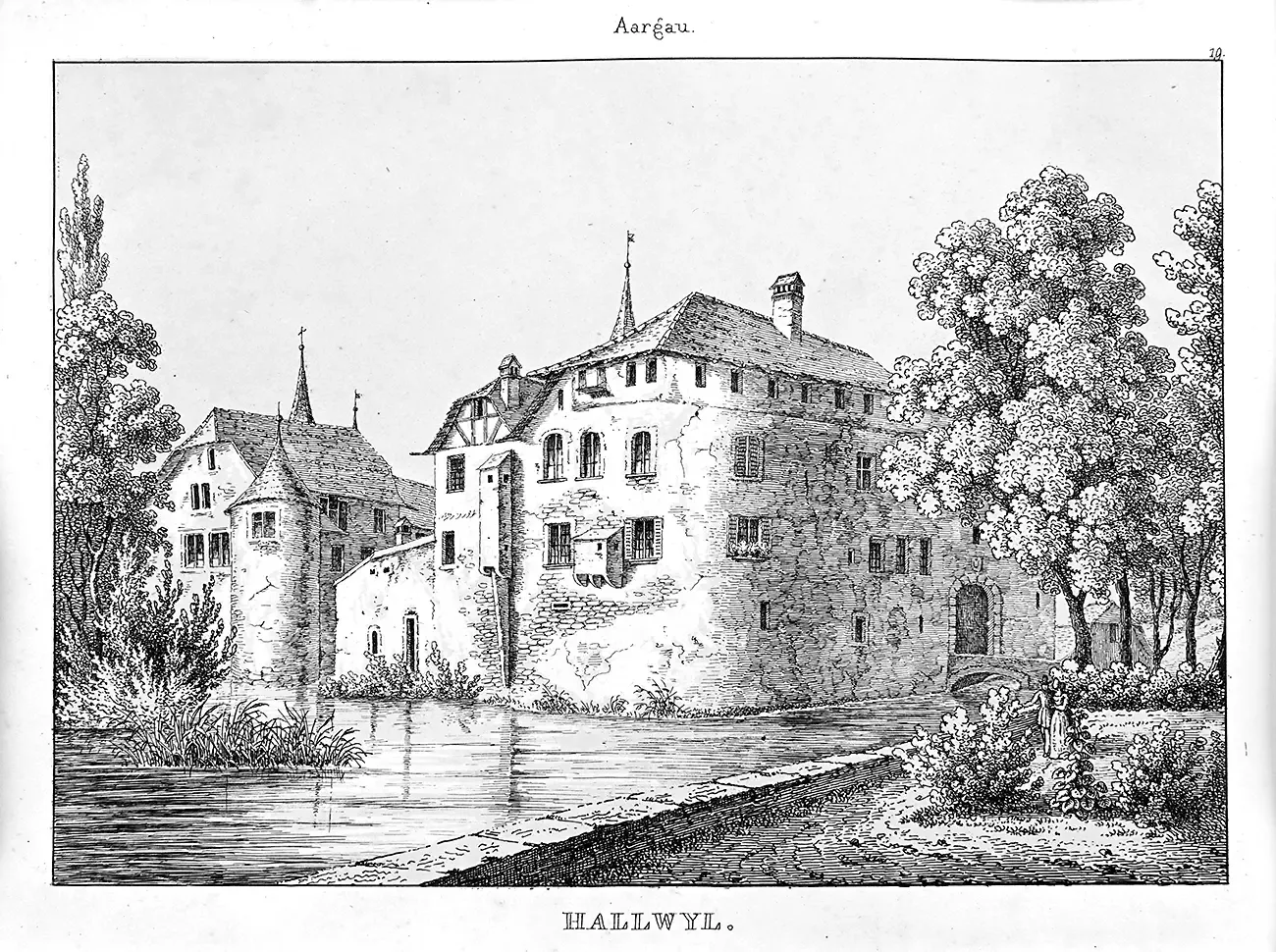
Hans von Hallwyl (page in German) was granted burgage rights in Bern and Solothurn and distinguished himself in the Burgundian Wars of 1476/77, for example in the Battle of Murten as commander of the Bernese vanguard. Hallwyl Castle was converted into a palace in the 16th century. In the 19th century, the lord of the castle undertook a costly restoration of the castle in the historicist style, which ended in his bankruptcy. In 1874, Walther von Hallwyl bought the castle in order to preserve the family seat. Wilhelmina von Hallwyl (page in German) oversaw archaeological excavations and a meticulous restoration of the castle between 1910 and 1916. A further comprehensive renovation took place between 1997 and 2004.
Traces of the Habsburg era today
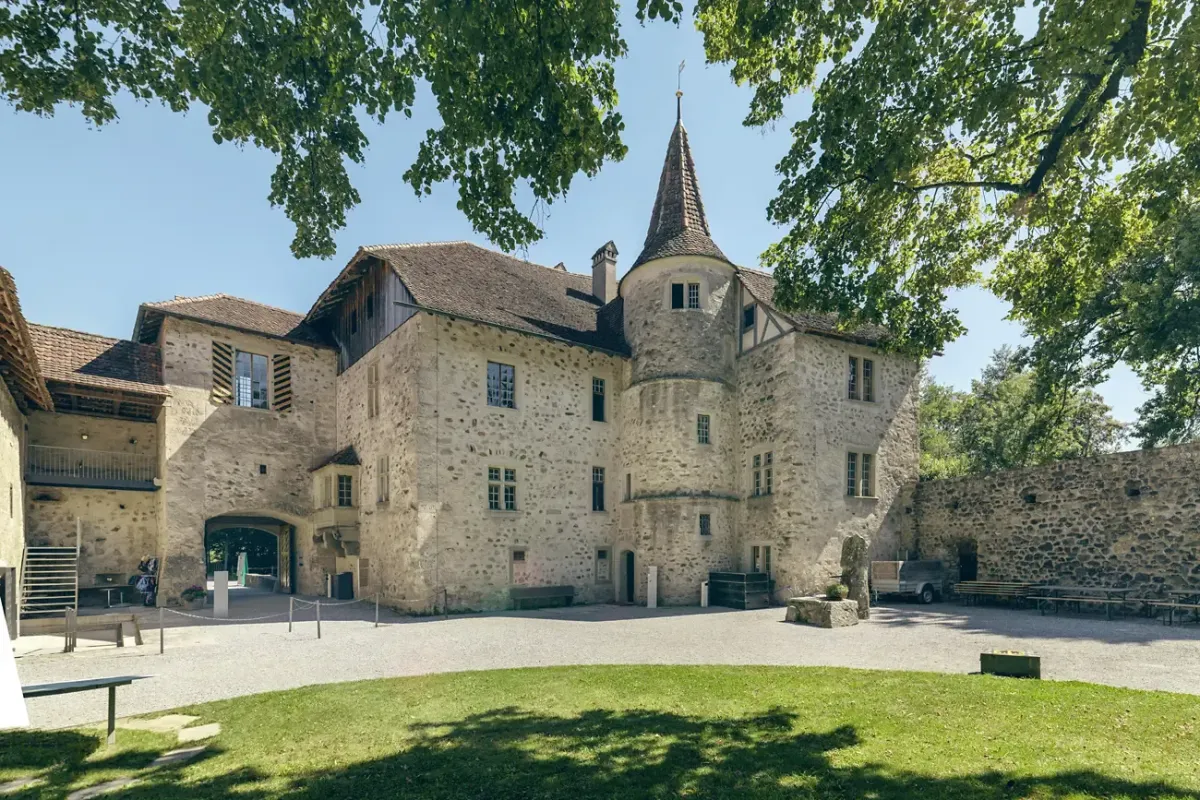
The oldest part of the castle, the keep, dates back to the 12th century or even earlier. It had three stories and was topped by a hipped roof. In 1810, it was demolished except for the ground floor. The surrounding wall around the keep, the “rear house,” dates from the 13th century. To the east of the keep stands the palace, the oldest parts of which date back to 1265. It was subsequently expanded. On the ground floor of the palace, one can see the original masonry from the second half of the 13th century from the inside, as if looking through a window. A lunette installed in a window of the palace overlooking the castle courtyard is unique: it allows visitors to see a 14th-century sketch of the castle chapel (demolished in the 18th century), projected exactly where it once stood. However, all that remains of the chapel are the remnants of Gothic pointed-arch windows. There are reddish burn marks just above the attic door (on the ground floor of which is the museum shop). And those who don’t know where the expression “throw into the hole” comes from will understand after visiting the dungeon tower at the back of the castle: here, offenders were lowered into the dungeon (the hole) using a rope and waited there for their trial.
Hallwyl Castle today