
Laufenburg and the Habsburgs
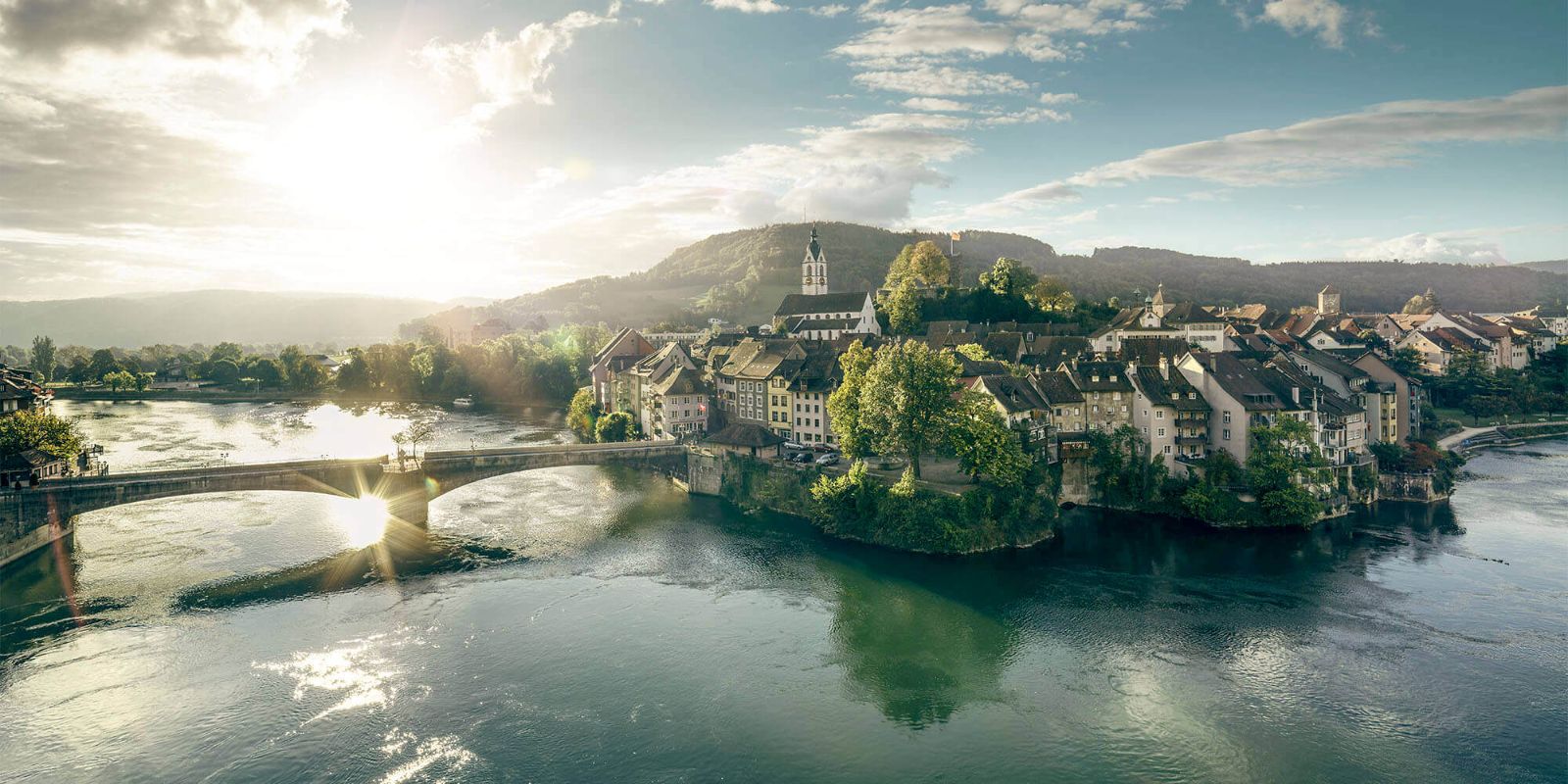
Recent discoveries dating back 3,000 years in the area of the present-day rural town of Laufenburg indicate the presence of a late Roman settlement. During the Roman era, a craftsmen’s village and a watchtower of the fortified Rhine frontier were located there. Long after the Romans departed and were replaced by the Alemanni, the region became the property of the Säckingen monastery (page in German). The monastery appointed the Counts of Lenzburg as its protectors.
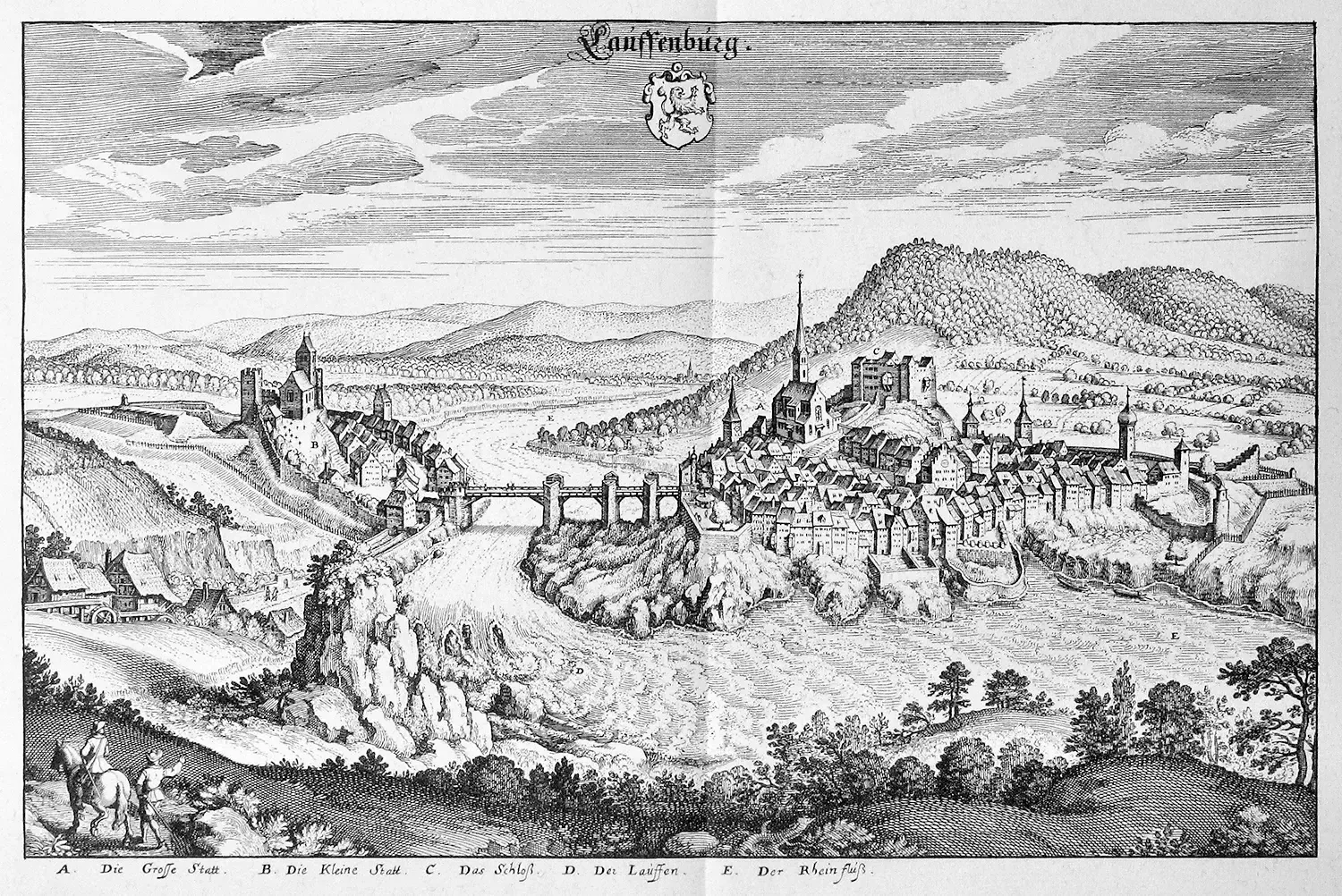
The Lenzburgs built a castle on a hill near the rapids (‘Louffen’) on the Rhine to protect the settlement there. When the Lenzburgs died out in 1173, Emperor Frederick I (page in German) – known as Barbarossa because of his red beard – transferred the protectorate over the imperial convent of Säckingen to the Habsburgs, who were then on the rise.
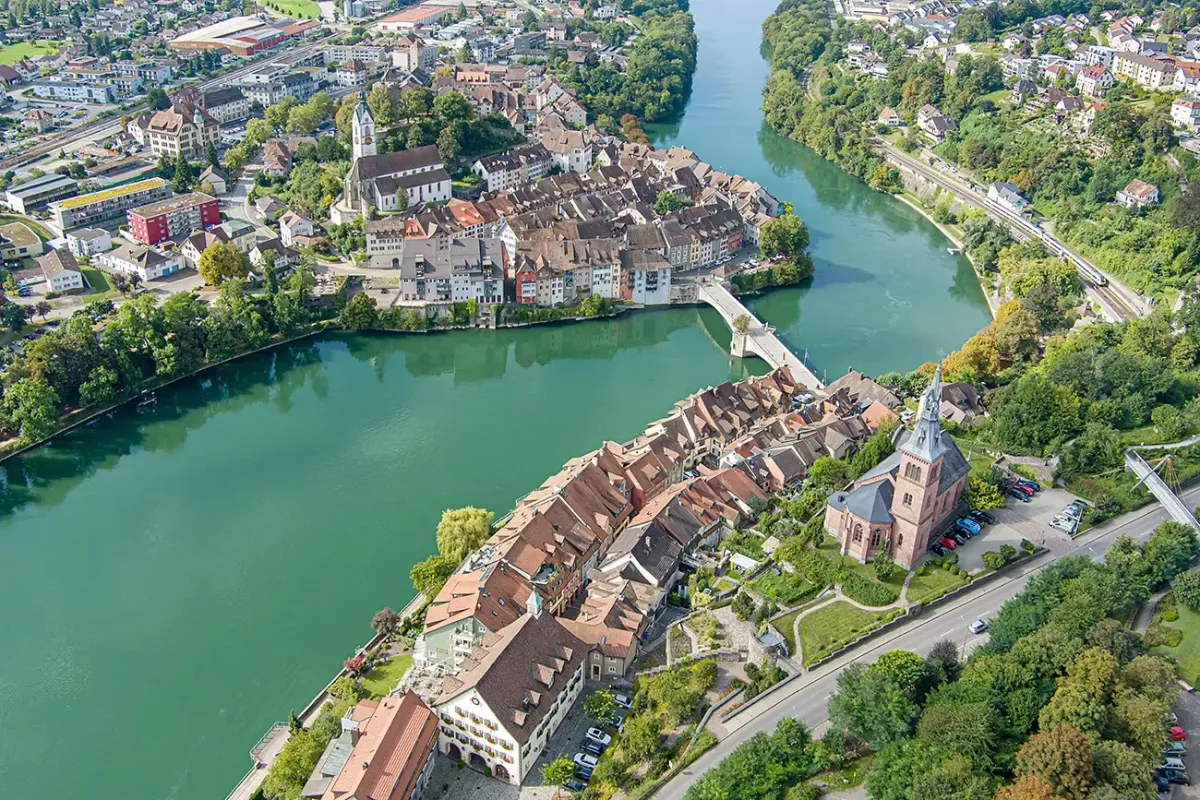
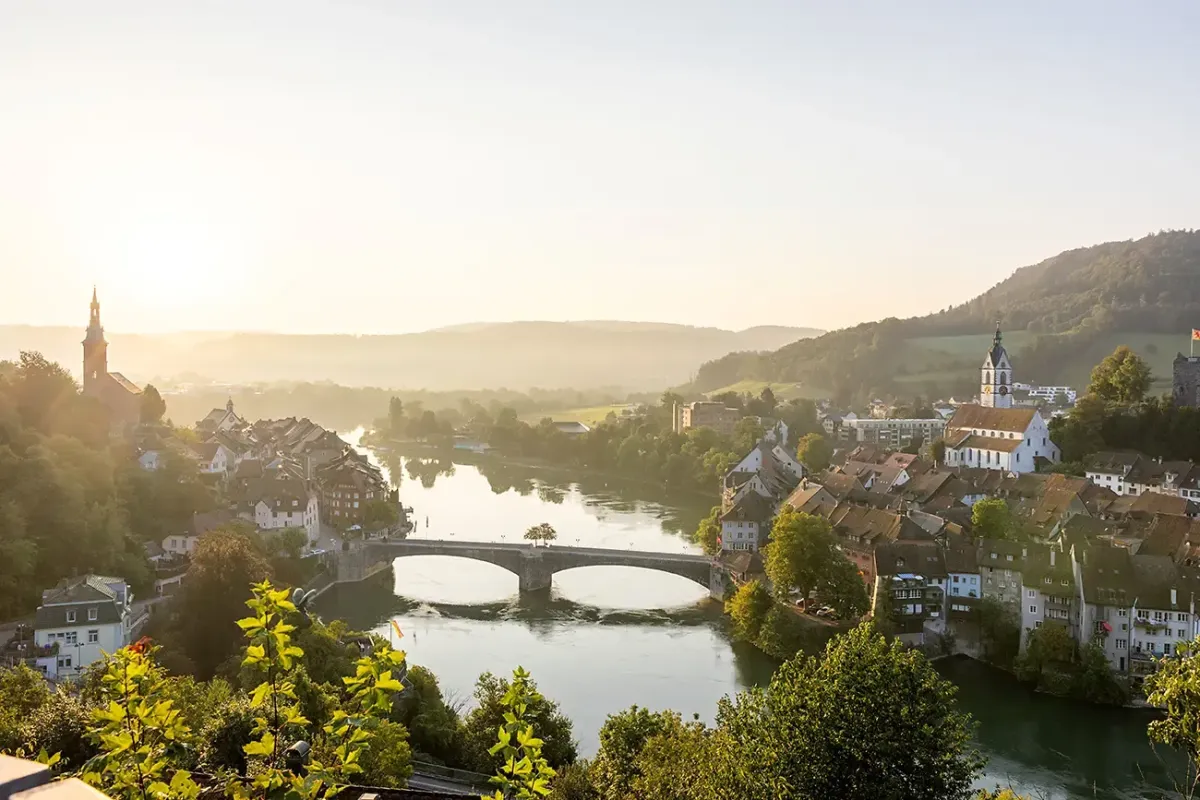
Around 1200, Count Rudolf II of Habsburg and Duke of Laufenburg – grandfather of King Rudolf I – began building the town of Laufenburg on both sides of the Rhine (which was only 12 metres wide here, ideal for a bridge). He is considered its founder. The princess-abbess complained about the count's high-handedness. In 1207, six abbots ruled in her favour: the bridge was confirmed as legal. Even before Basel and both castles. The land and taxes remained with Säckingen. However, the town was allowed to continue building, subject to certain conditions.
After his death in 1232, his sons Albrecht IV and Rudolf III divided the inheritance. Rudolf received Laufenburg and lived in the castle from then on. As the founder of the Habsburg-Laufenburg (page in German) line, he expanded the town.
This line was significantly less successful than the successors of Rudolf's brother Albrecht, and was forced to gradually sell off its rights and possessions. In 1386, Count Hans IV even sold Laufenburg itself to the older Habsburg line. However, he was allowed to keep the town as a fief for the rest of his life.
After his death in 1408, the Austrian branch of the Habsburg dynasty definitively took power. A few decades later, in 1479, a devastating fire destroyed 130 houses. The town and the Frick Valley also faced difficult times during the Thirty Years’ War (page in German) beginning in 1633: Laufenburg was conquered several times by the Swedes, then recaptured, and the castle was damaged. The town remained under Habsburg rule, however.
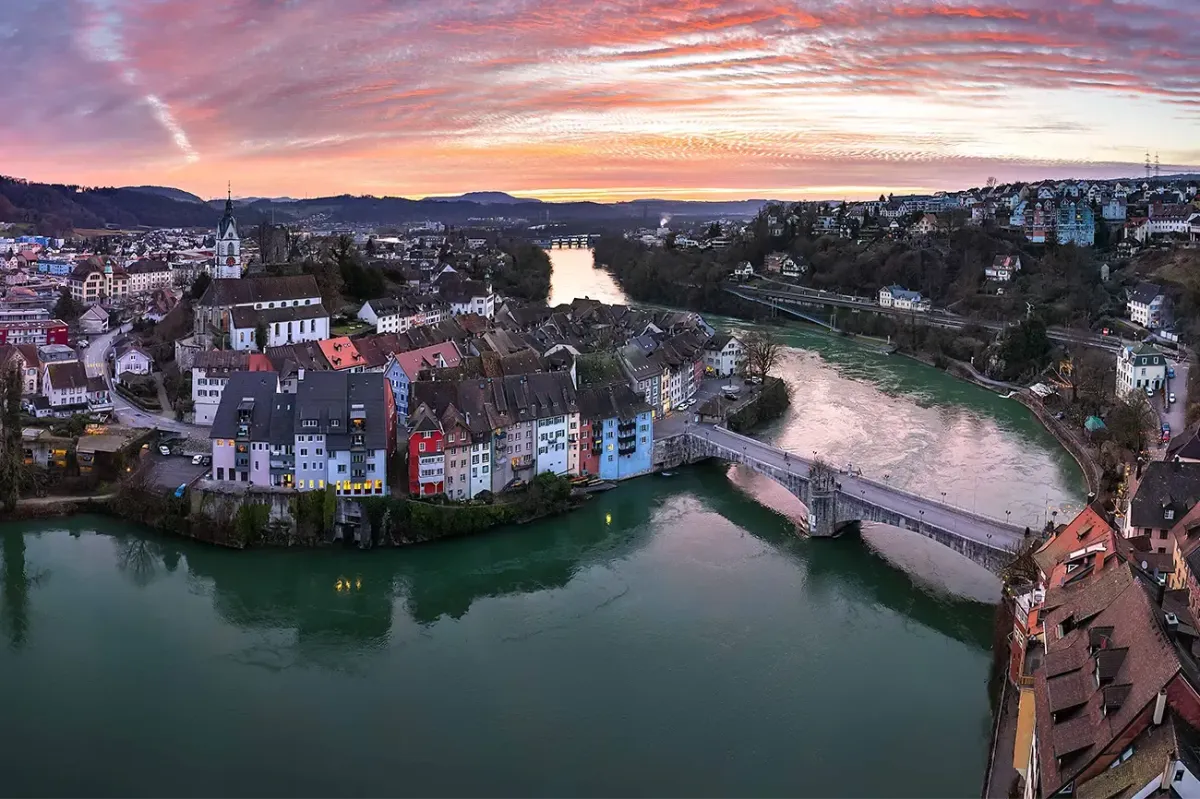
There was also turmoil after the French Revolution (page in German): in 1797, the Fricktal valley became a French protectorate. The bridge was destroyed in the ensuing war between France and Austria. 1802 was a fateful year for the town: the smaller (“mindere”) part of the town on the right bank went to the Grand Duchy of Baden, while the larger (‘mehrere”) part on the left bank became the capital of the newly founded, short-lived canton of Fricktal, which joined the Helvetic Republic (page in German).
In 1803, Napoleon, through his Act of Mediation, annexed the Fricktal to the canton of Aargau, which he had just created.
Traces of the Habsburgs today
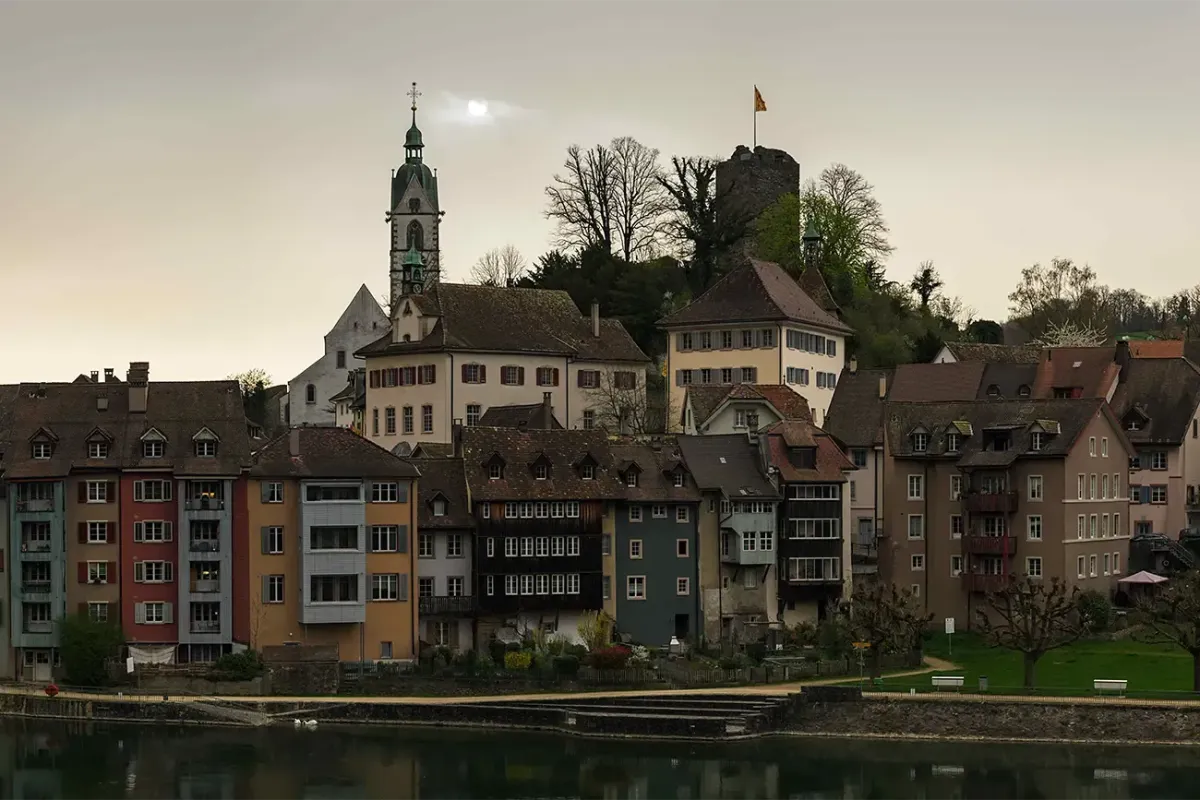
After 600 years under the Habsburgs, their legacy can be seen at every turn. The old town is very well preserved. In 1985, it even received the Wakker Prize, which recognizes municipalities that have made outstanding contributions to urban development and land-use planning.
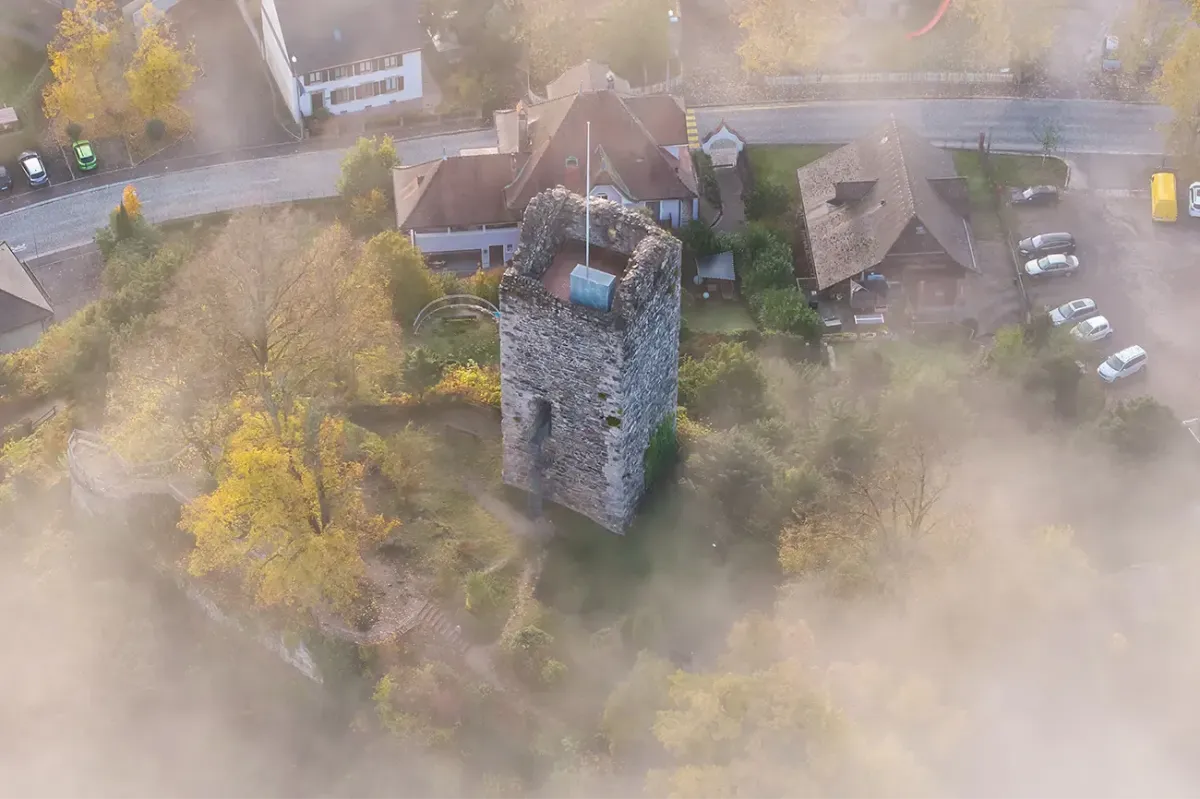
However, only the main or defence tower remains of the once mighty castle. It is the oldest building in the town and can be accessed via an external staircase. The view from the top is well worth the effort.
Other town towers and remains of the town wall can also be seen, as well as the old armoury, the town hall (former hospital), fountains and other buildings. The baroque town church of St. Johann with its mortuary chapel is also worth a visit. The church is freely accessible, but the chapel can only be visited on a guided tour. The district court hall is also particularly worth seeing, but again only on a guided tour: today, huge portraits of the imperial couple Maria Theresa and Franz I Stephan of Lorraine and their son Emperor Joseph II still dominate the hall. Above the entrance door hangs a Habsburg coat of arms of Emperor Matthias from 1614. In Herrengasse, a Swiss and an Aargau flag hang harmoniously alongside the city coat of arms: the Habsburg lion.
Laufenburg Today