
Rheinfelden and the Habsburgs
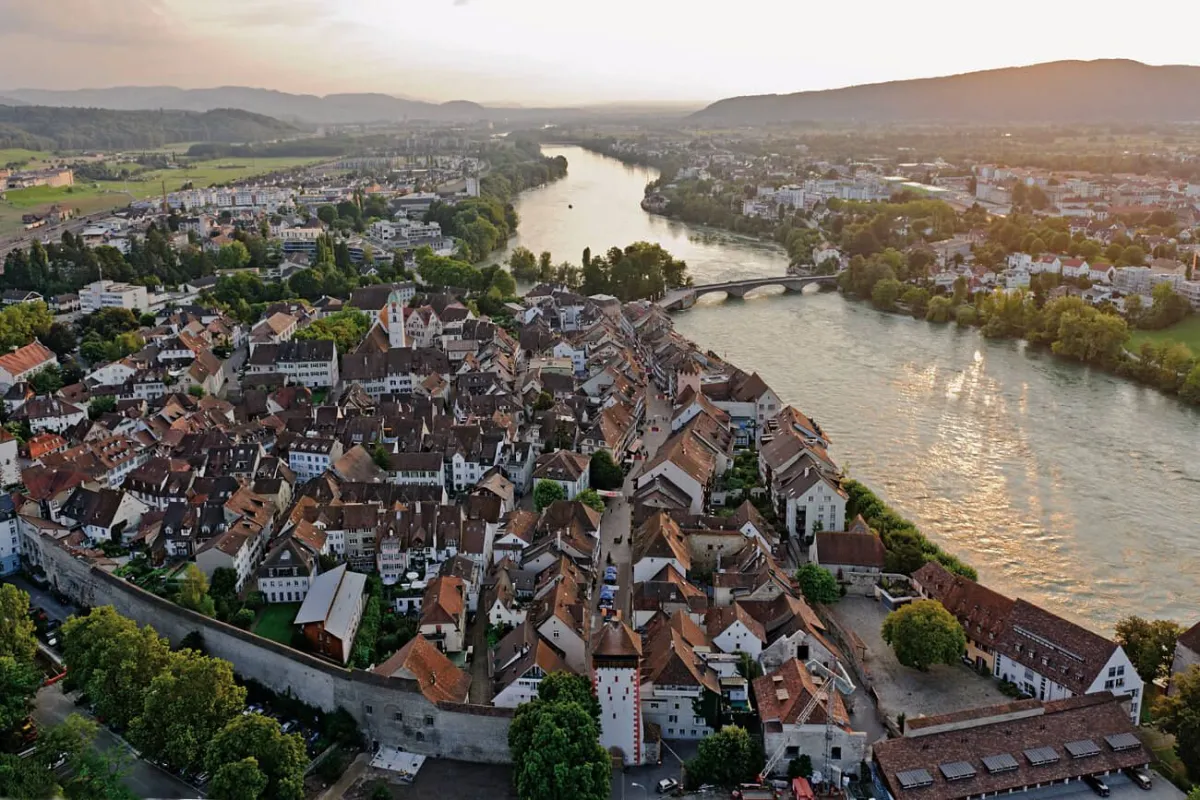
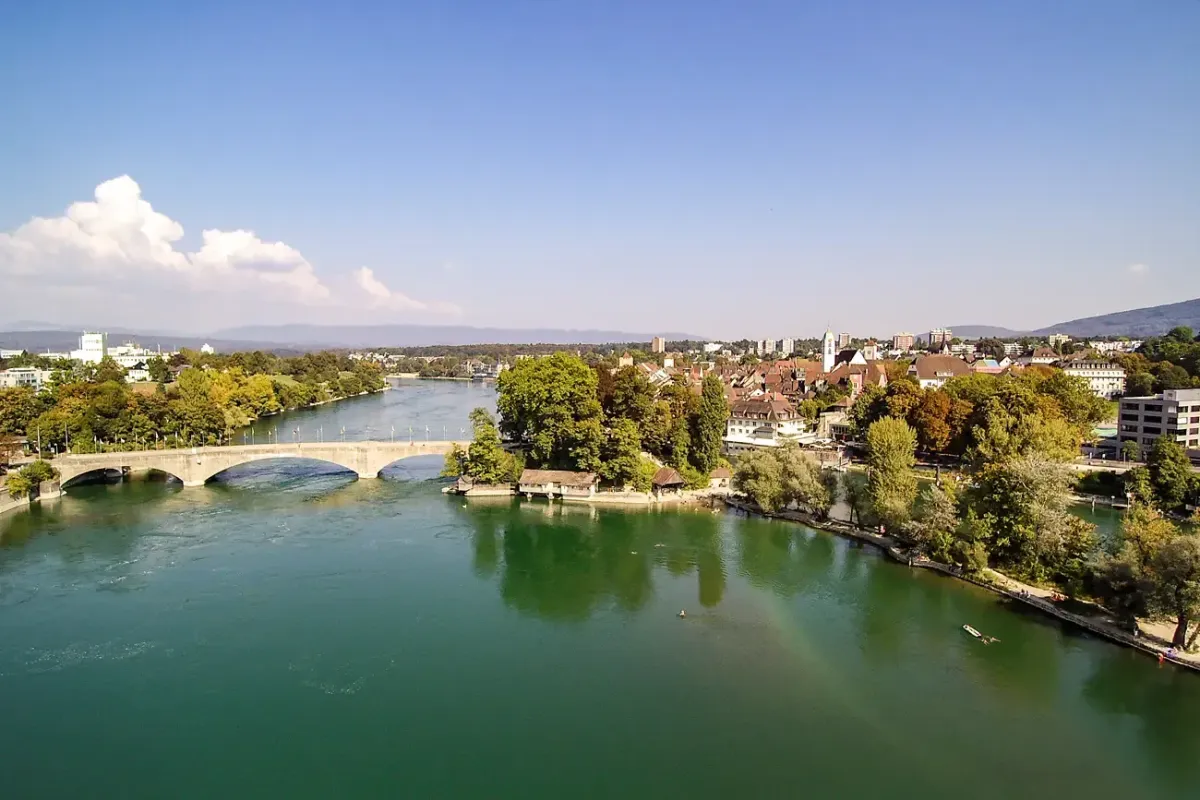
Around 930, a Burgundian family—the future Counts of Rheinfelden (page in German)—built the fortified castle of Stein on an island in the Rhine, near the town that would later bear the same name.
From 1090 onwards, the Swabian princely family of Zähringen (page in German) expanded the settlement into a town. Rheinfelden is thought to have been granted town rights around 1130. After the Zähringen family died out in 1218, Rheinfelden became an imperial free town and was thus subject to the king. After a period of interim rule by the bishops of Basel, King Rudolf I of Habsburg restored the city’s status as a free imperial city in 1273. Rudolf’s wife, Queen Anne, lived here.
For decades, Stein Castle served as the primary residence of the Habsburgs. It was also where the imperial jewels were kept. In 1330, the town was pledged to the Habsburgs and remained so for nearly 500 years.
In the 13th century, the people of Rheinfelden took to the field with the Habsburgs against the Swiss Confederates. When the latter conquered almost the entire present-day canton of Aargau in 1415, Rheinfelden escaped this fate because the king briefly made it an imperial town again.
In the Old Zurich War (page in German), Rheinfelden sided with Basel and submitted to the Habsburgs again in 1449. From then on, it remained one of the four forest towns – together with Säckingen, Laufenburg and Waldshut – under Austrian (page in German) rule until 1803.
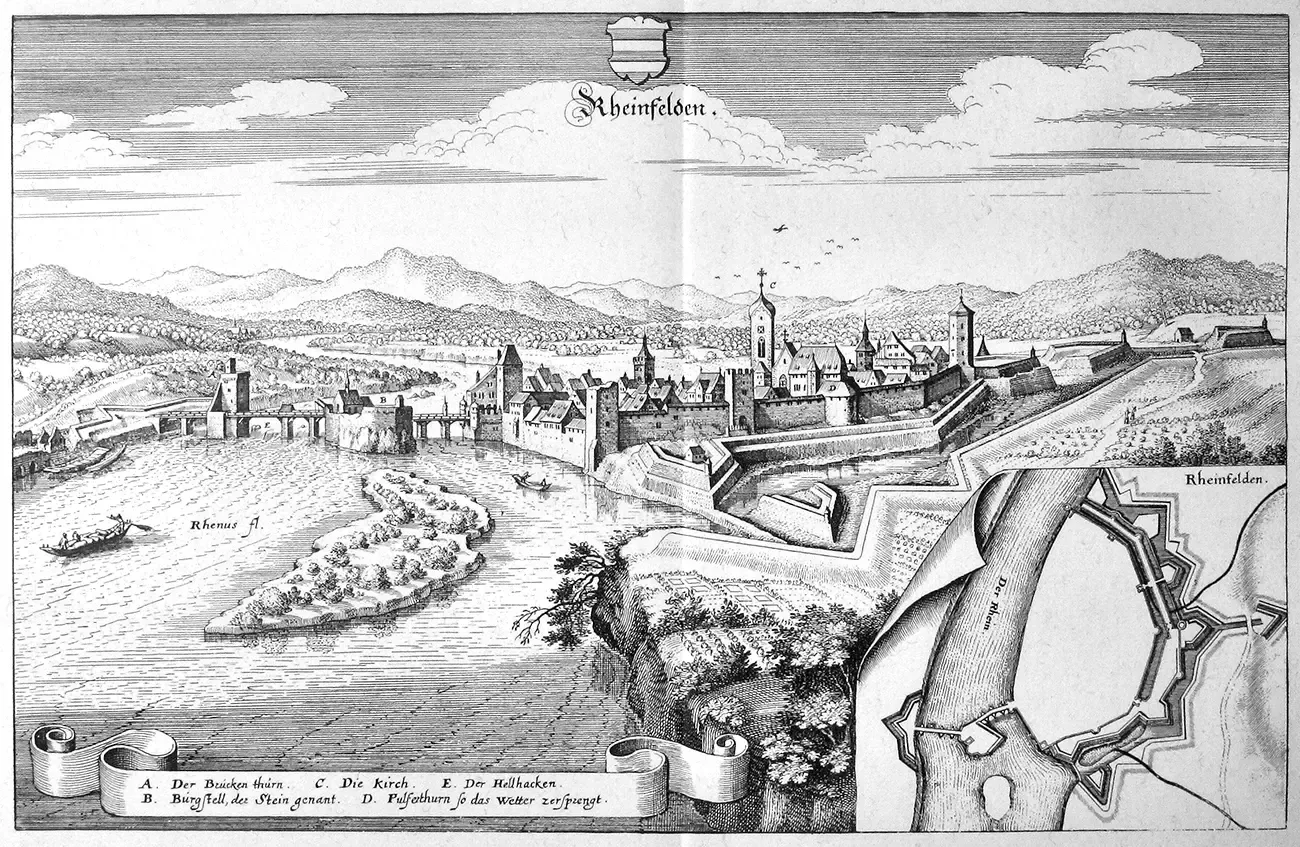
Around 1632/33, this strategically important town was caught up in the turmoil of the Thirty Years' War (page in German). It was occupied and recaptured several times by the Swedes. From 1638 to 1650, the Swedes and later the French occupied the town. It suffered enormously, as did the entire Frick Valley.
The region did not prosper, partly because of the high war taxes that were repeatedly levied for the Habsburg wars. Empress Maria Theresa implemented important reforms from 1750 onwards, particularly in the field of education. French troops occupied the town in 1796 and again in 1799. After a brief period during which Fricktal (page in German) was a canton, Napoleon annexed it in 1803, as part of his Mediation (page in German), to the newly created canton of Aargau. Since then, Rheinfelden has been part of the Swiss Confederation.
Traces of the Habsburgs today
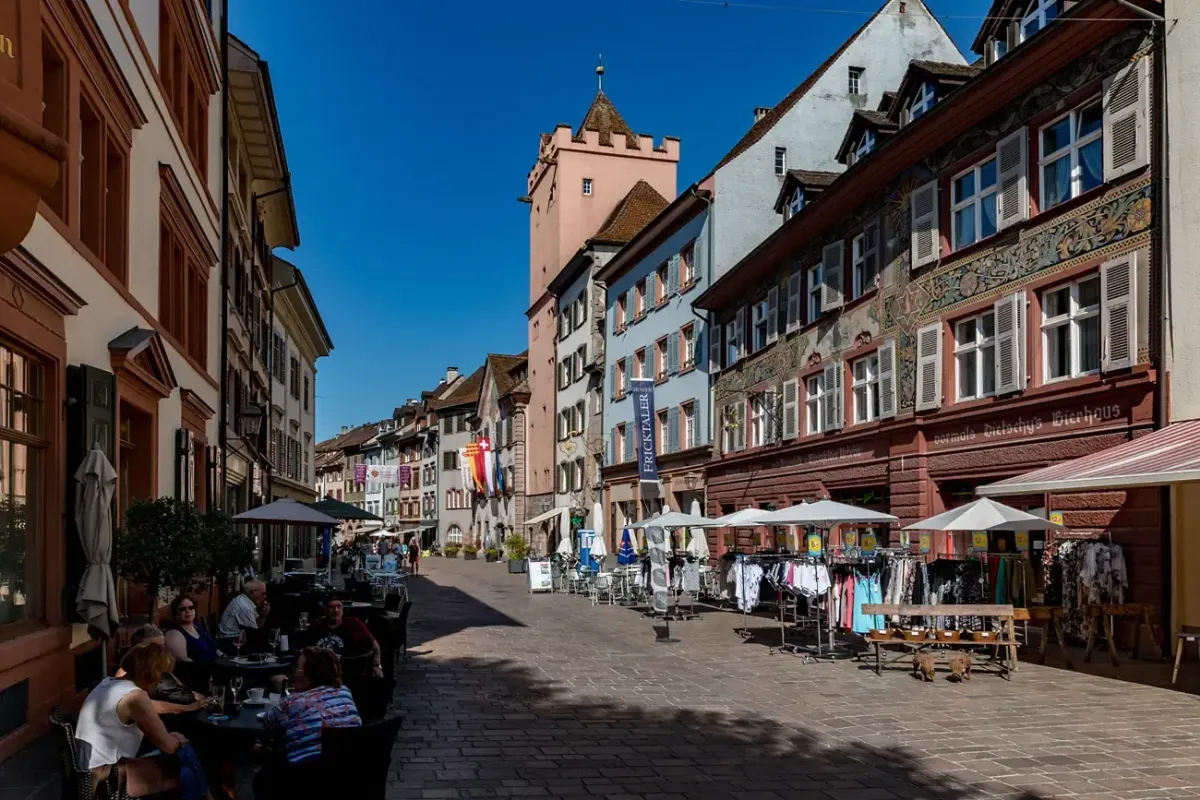
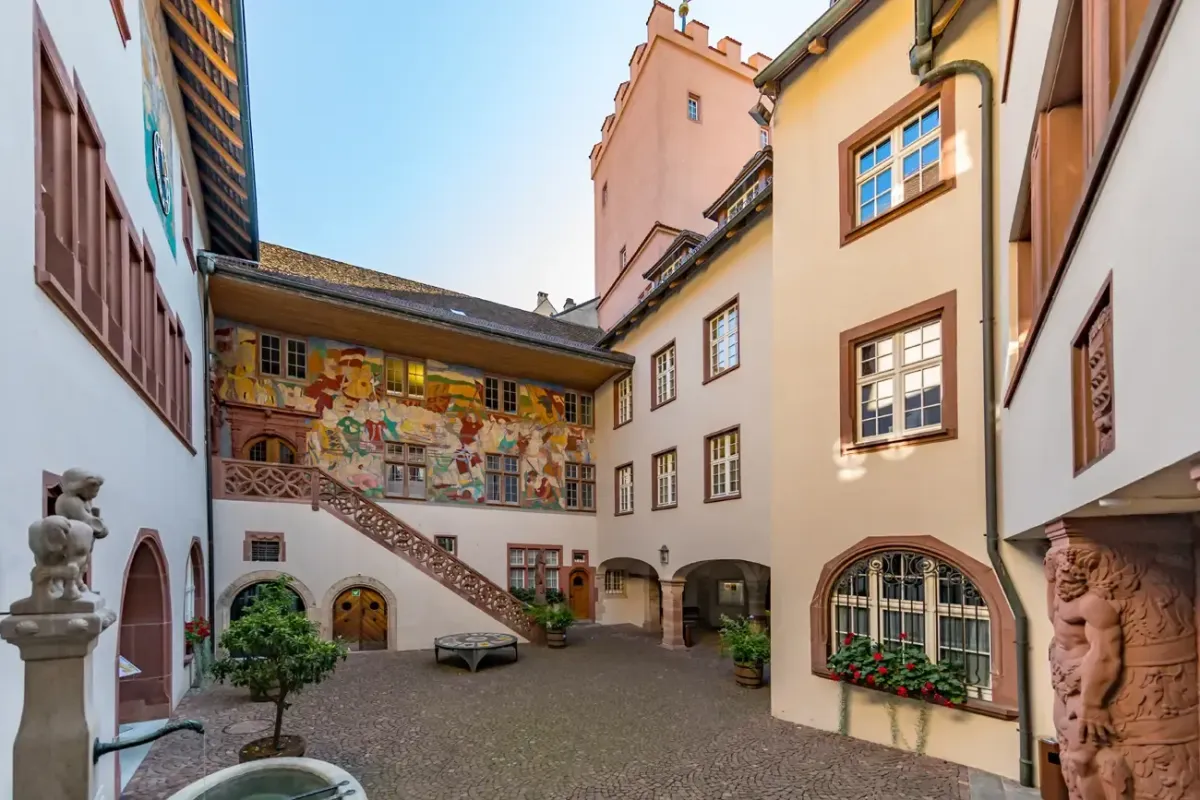
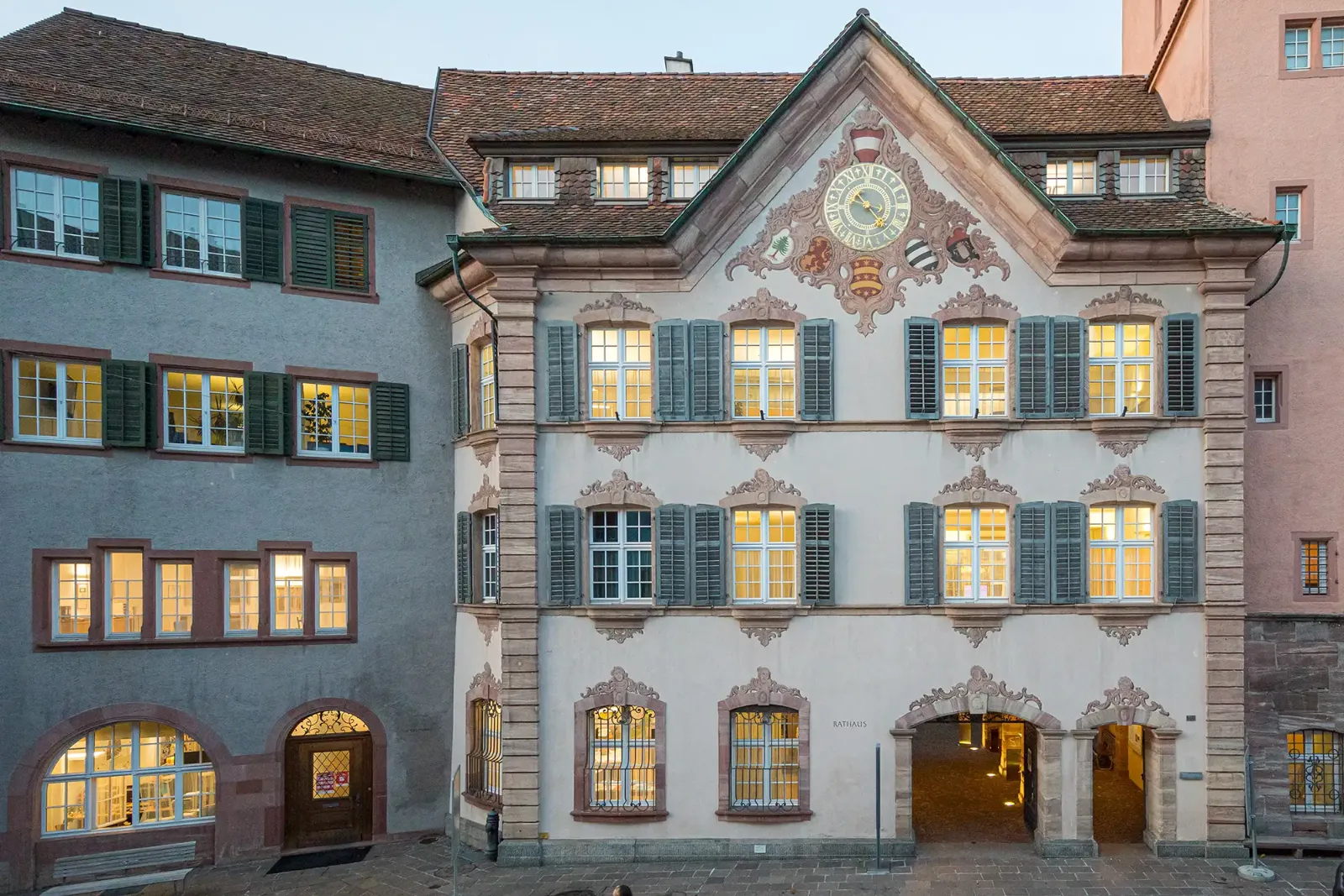
The Habsburg past can be encountered at every turn in the picturesque old town: for example, in the town hall, rebuilt after a fire in 1531, with its Baroque façade and Austrian coat of arms. In the inner courtyard, the Battle of Sempach is depicted on a large scale on the façade, and portraits of the Habsburg princes hang in the town hall.
The Fricktal Museum (page in German) in Rheinfelden also has portraits of several emperors, including, of course, one of Maria Theresa.
The history of the Habsburgs can also be experienced at the Obertorturm tower and on a section of the town wall, which was once 730 metres long and up to 15 metres high, as well as at the Kupfer- or Storchennestturm tower: in the latter case, the bullet holes from former sieges have deliberately not been covered up. The tower roof is still inhabited by storks today. The Inseli in the middle of the Rhine - the site where Stein Castle once stood - can be visited and is now a local recreation area. The Habsburg past has left numerous traces that bear witness to this rule, such as tavern signs and numerous double eagles, which are still visible on the houses today.
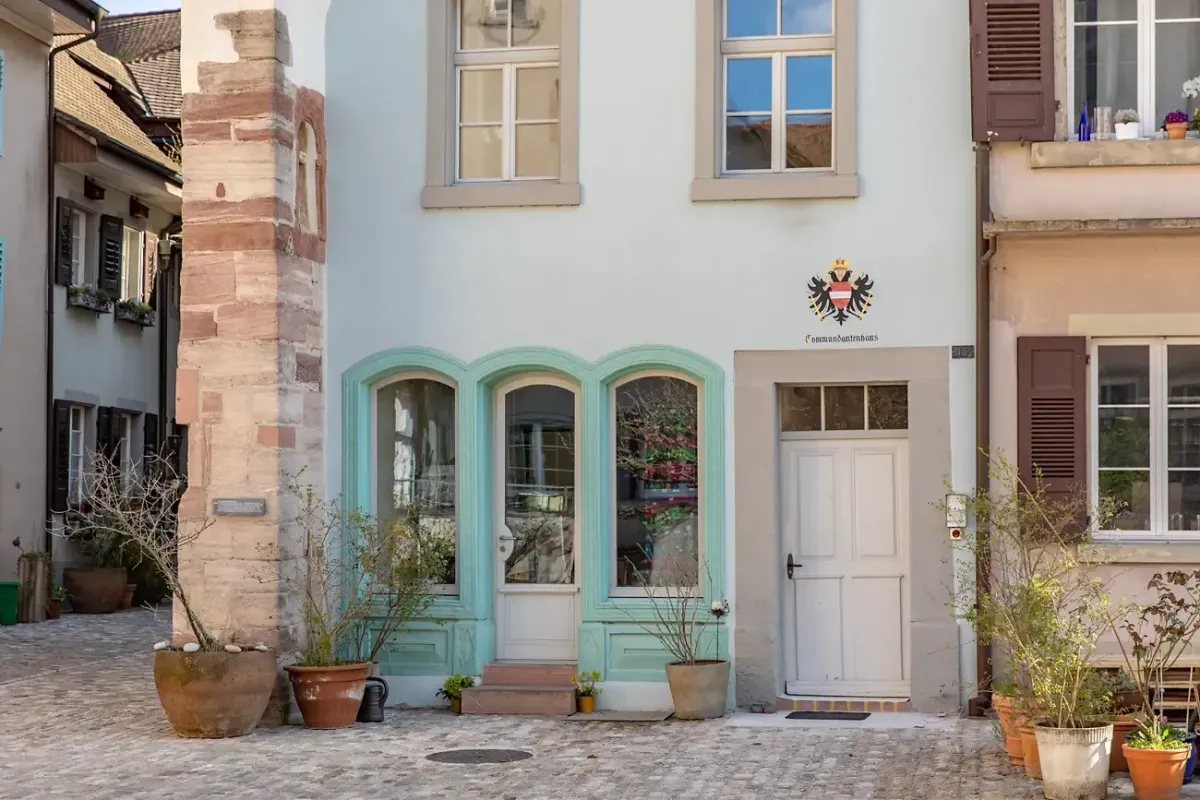
The commander's house and the former barracks in Kupfergasse (which the city built and presented to the emperor) are also witnesses to the past. And “Im Rumpel” in the old town, a carillon (which chimes at 9 a.m., 12 p.m., 3 p.m. and 5 p.m.) commemorates a tailor who is said to have saved the town from Swedish siege during the Thirty Years' War with a ruse. Rheinfelden offers various guided tours, one of which is entitled ‘In the footsteps of the Habsburgs’.
Rheinfelden today