
Königsfelden Abbey and the Habsburgs
On 1 May 1308, near the Reuss crossing in Windisch, the Roman-German King Albrecht I of Habsburg was murdered by his nephew, Duke Johann of Swabia, who felt cheated out of his inheritance by his uncle.
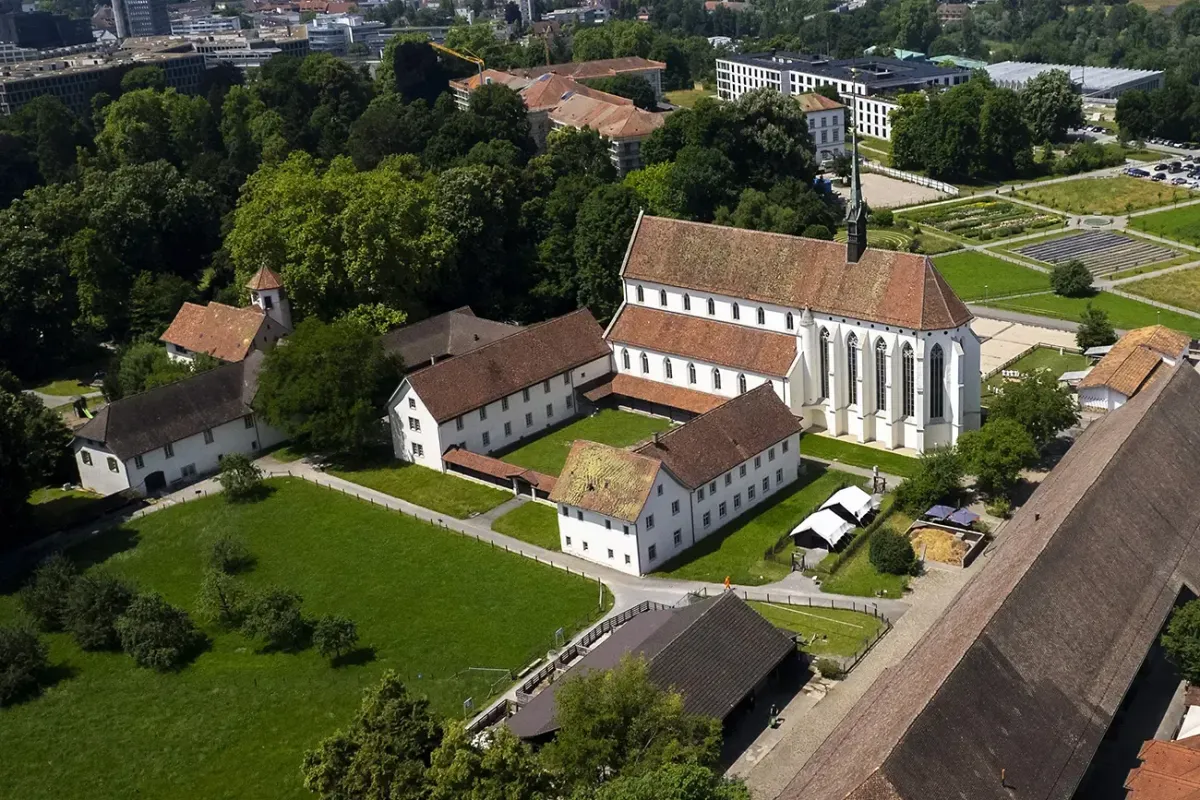
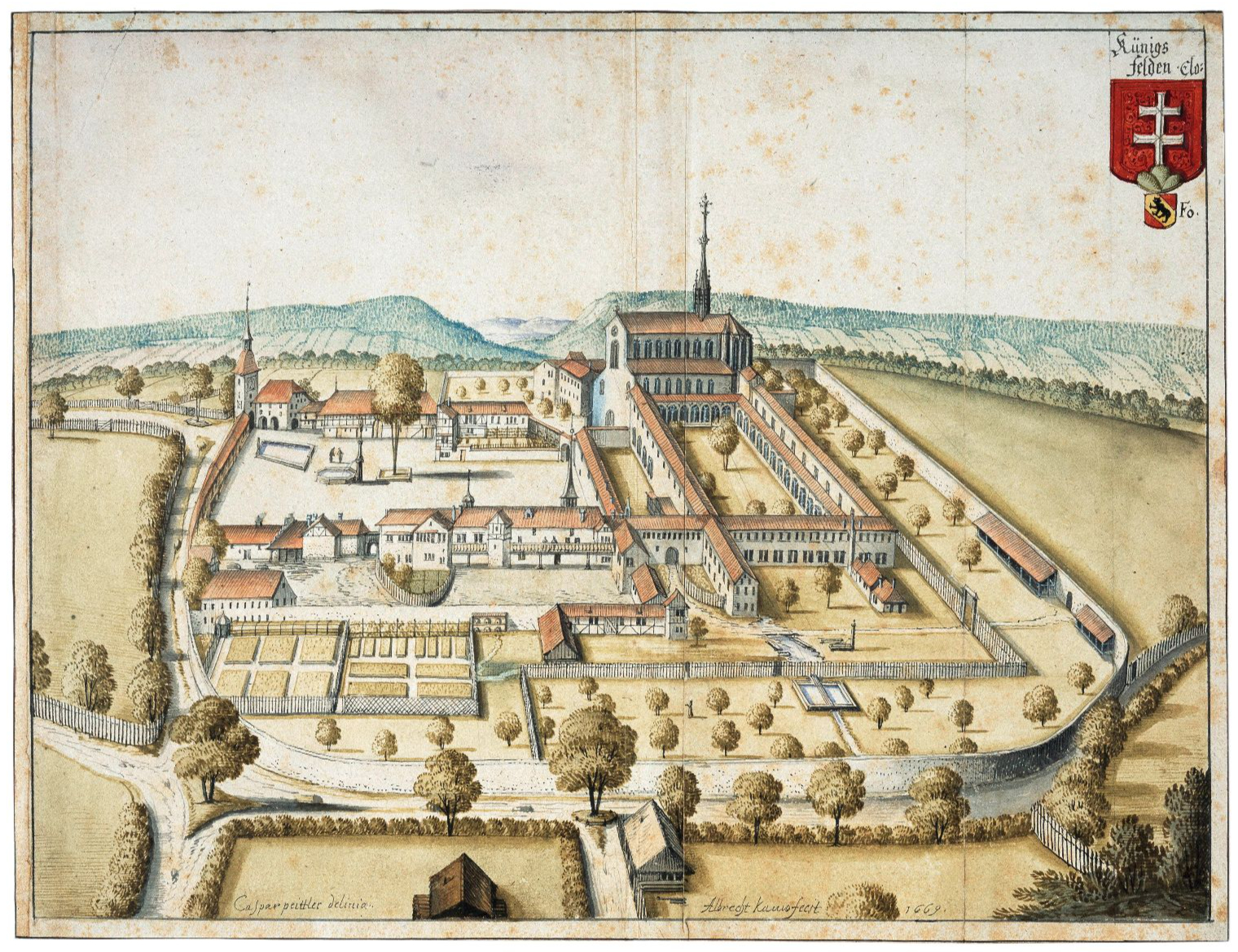
Albrecht's widow, Elisabeth of Gorizia and Tyrol, first founded a memorial chapel at the site of the crime, then a monastery as a Habsburg memorial site. It was not by chance that it was given the name Königsfelden.
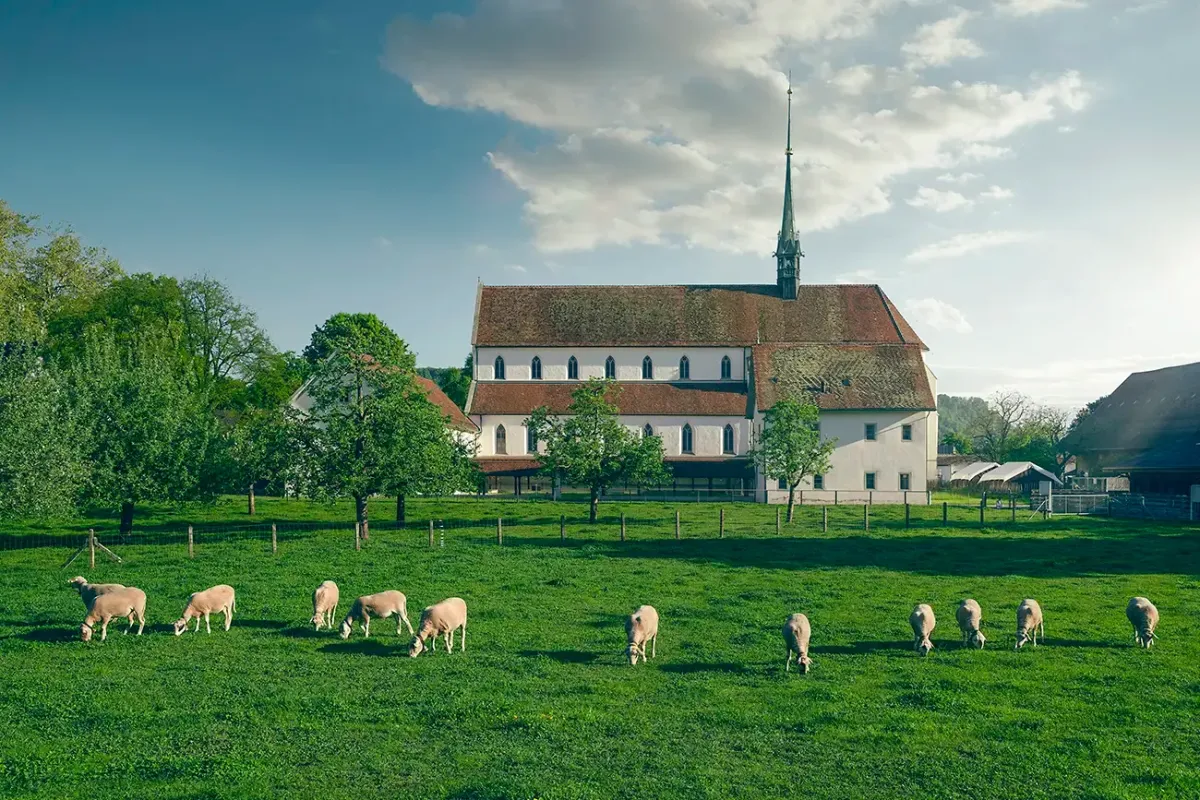
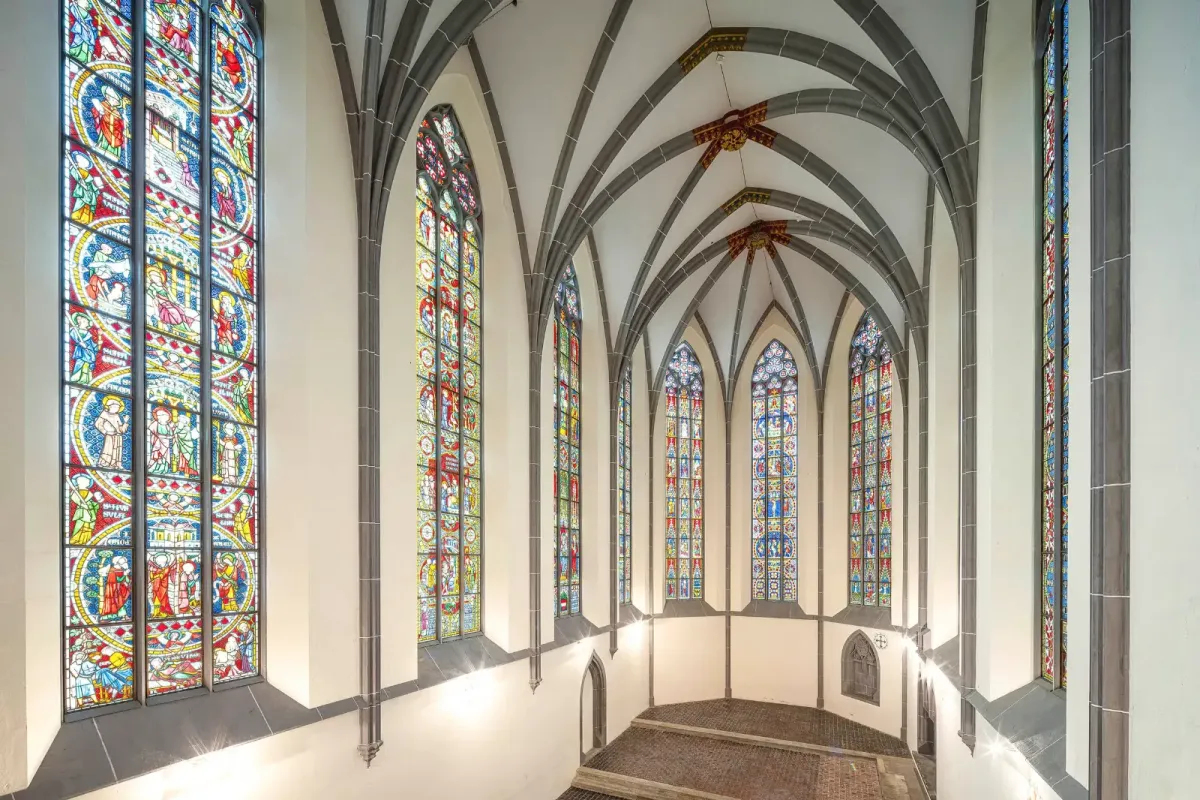
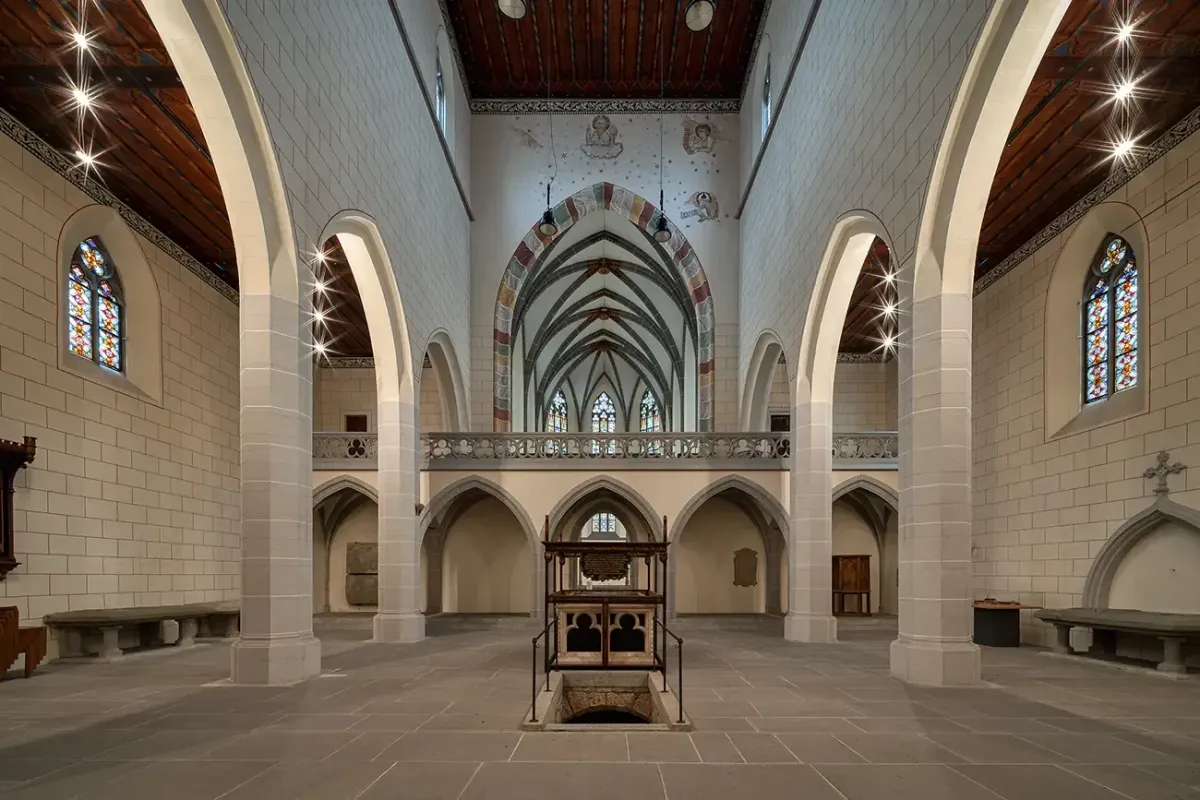
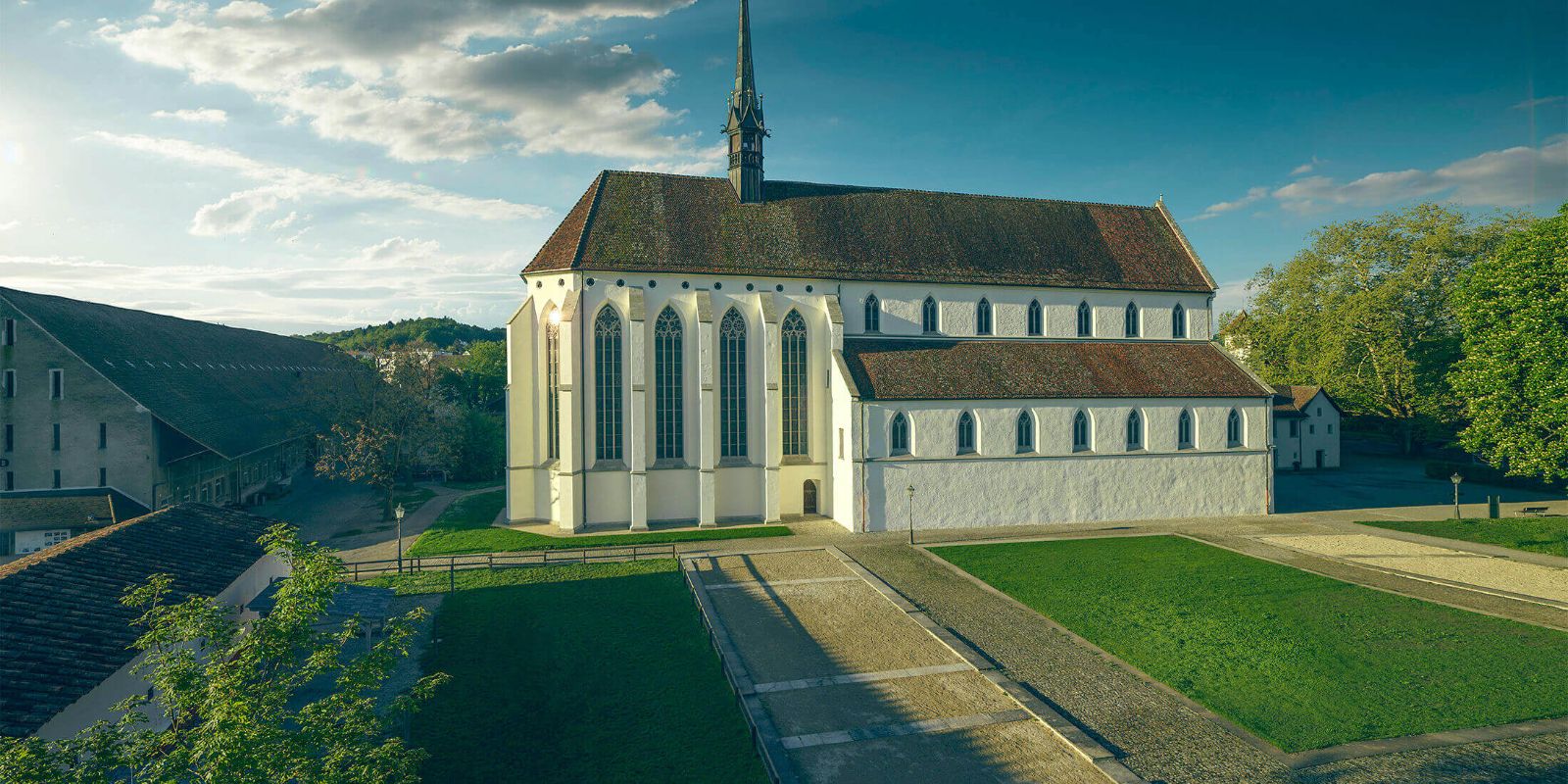
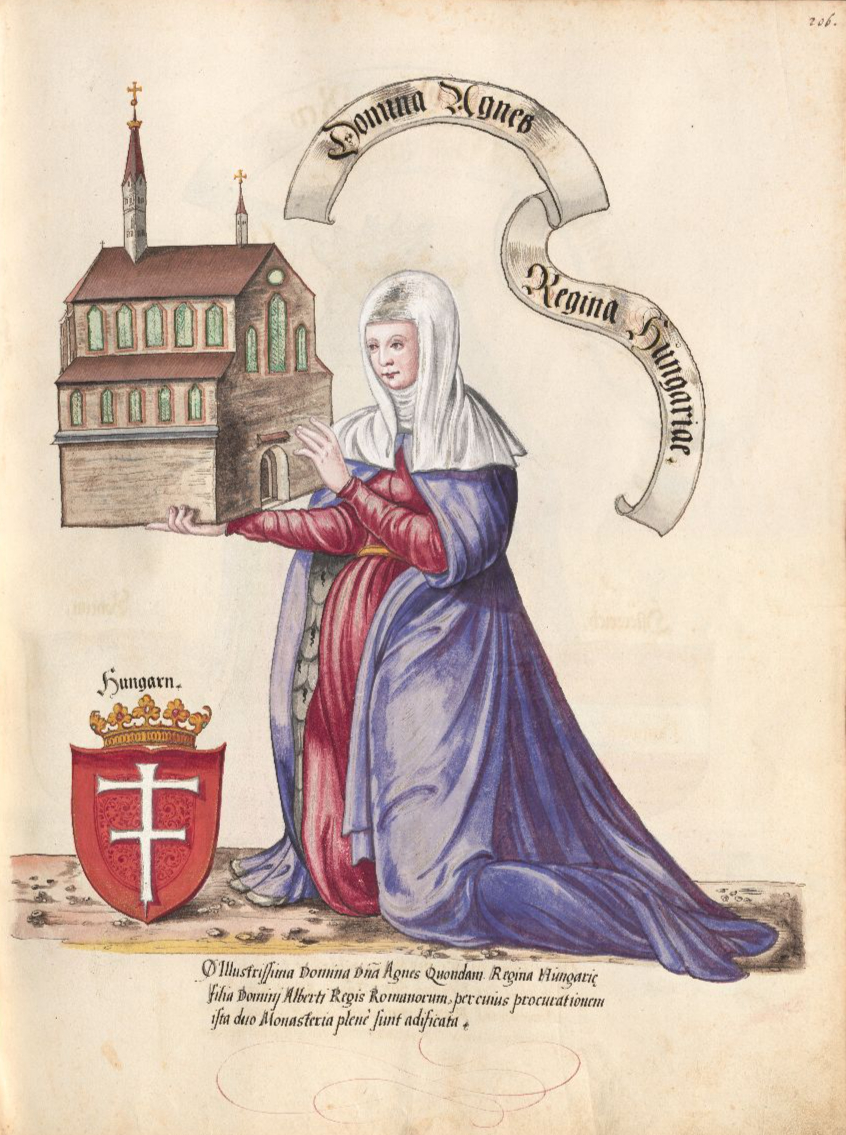
The foundation charter for the monastery dates back to 1311. A double monastery was built – the only one of its kind in Switzerland – for Franciscans (page in German) (1311) and Poor Clares (1312). Elisabeth and Albrecht's daughter Agnes (page in German), widow of the Hungarian King Andreas III, made the monastery her home in 1316. She never took her vows, but she worked there for almost 50 years and completed the monastery church. The famous stained glass windows were added between 1320 and 1360, making the monastery church a true Christian memorial to the Habsburgs.
Agnes was involved in a wide range of activities, including acting as an advisor and representative for her brothers and the Habsburg family, and she was also highly regarded as a mediator. She also founded the hospital in Baden.
Under her leadership, the monastery became an economic and political centre of the Habsburg ancestral lands. Eleven Habsburgs have been laid to rest here since 1770 – beginning with the monastery's founder, Queen Elisabeth of Gorizia and Tyrol, and her daughter Agnes of Hungary, but also Duke Leopold III of Habsburg, who was killed in battle against the rebellious Swiss Confederates at Sempach in 1386. Leopold was a grandson of the monastery's founder, Elisabeth. King Albrecht I, however, was laid to rest in the royal burial ground (page in German) in Speyer.
In 1415, Bern conquered most of what is now the canton of Aargau, including Königsfelden Monastery. In 1508, the interior of the church was renovated and the monastery was dissolved in 1528 during the Reformation. In 1770, the remains of the Habsburgs, who had once been laid to rest here, were exhumed and taken to St. Blasien (page in German) in the Black Forest. In 1808, they embarked on another journey – this time to St. Paul im Lavanttal in Carinthia in what is now Austria. From 1777 onwards, Bern used the nave as a granary and the monastery buildings became a refuge for the poor and sick.
Traces of the Habsburgs today
When visiting the monastery church, you suddenly feel transported back to the time of the Habsburgs – in fact, 70 per cent of the famous stained glass windows date back to the 14th century. They are outstanding works of late medieval European stained glass art. The window in the centre of the choir (dated shortly before 1330), for example, depicts five scenes from the Passion of Christ, four of which are still preserved: the Flagellation, the Crucifixion, the Descent from the Cross, and the Entombment of Christ. The window depicting the Incarnation of Christ (shortly before 1330) tells the story of Christ's birth and youth. The stained-glass window of Saint Clare (circa 1340) depicts the legend of Saint Clare in five panels, four of which have survived.
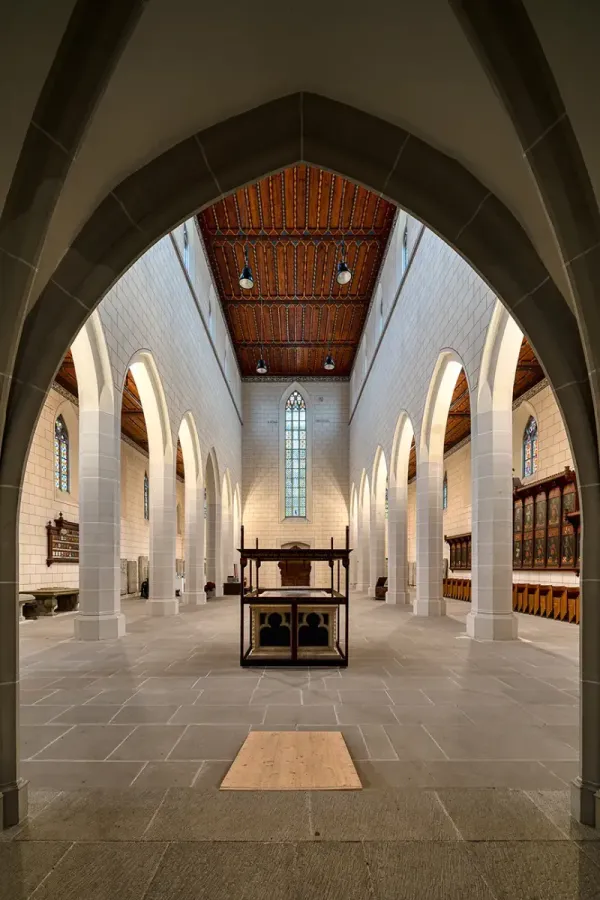
In the convent church, the cenotaph (false tomb) and the crypt beneath it serve as a reminder of the former burial site.
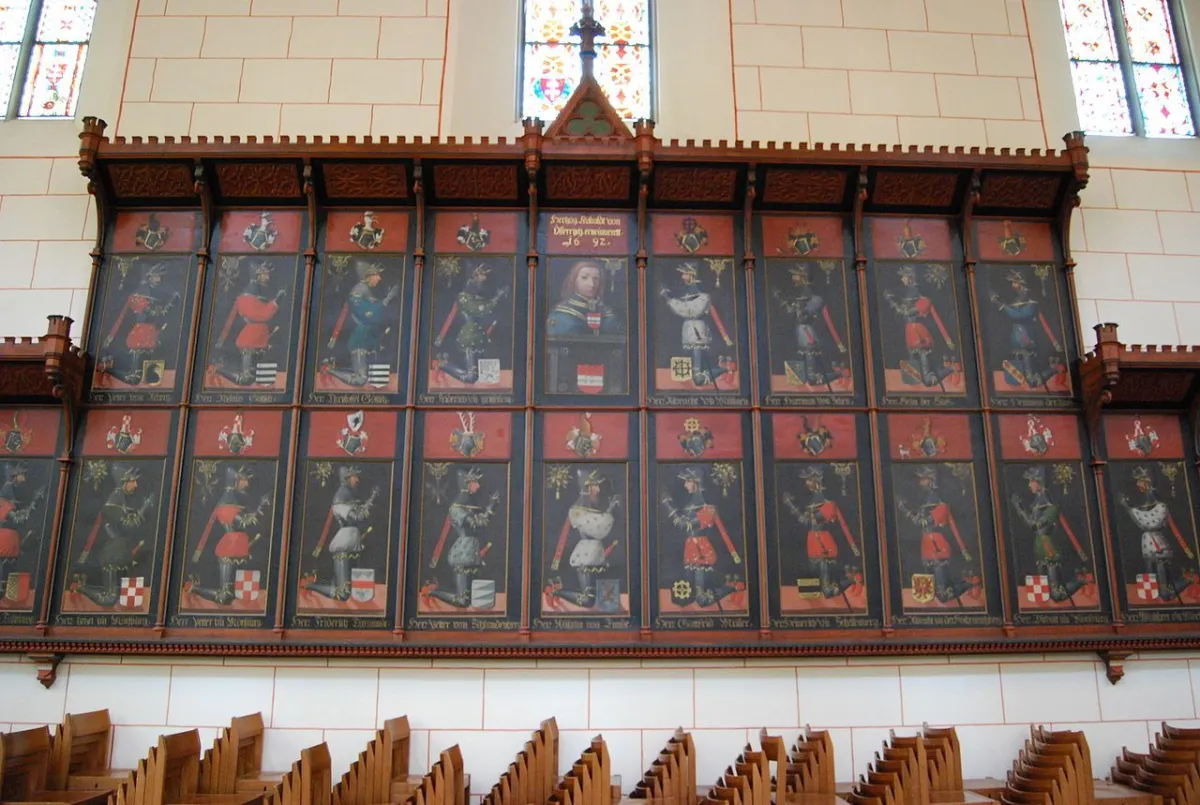
On the wall of the north nave, a 17th-century painting depicts Duke Leopold III of Habsburg. He is flanked by 27 knights who fell alongside him during the Battle of Sempach in 1386 against the Swiss Confederates. Leopold III was the last Habsburg to be buried in the Königsfelden crypt.
Königsfelden Abbey today