Lenzburg Castle and the Habsburgs
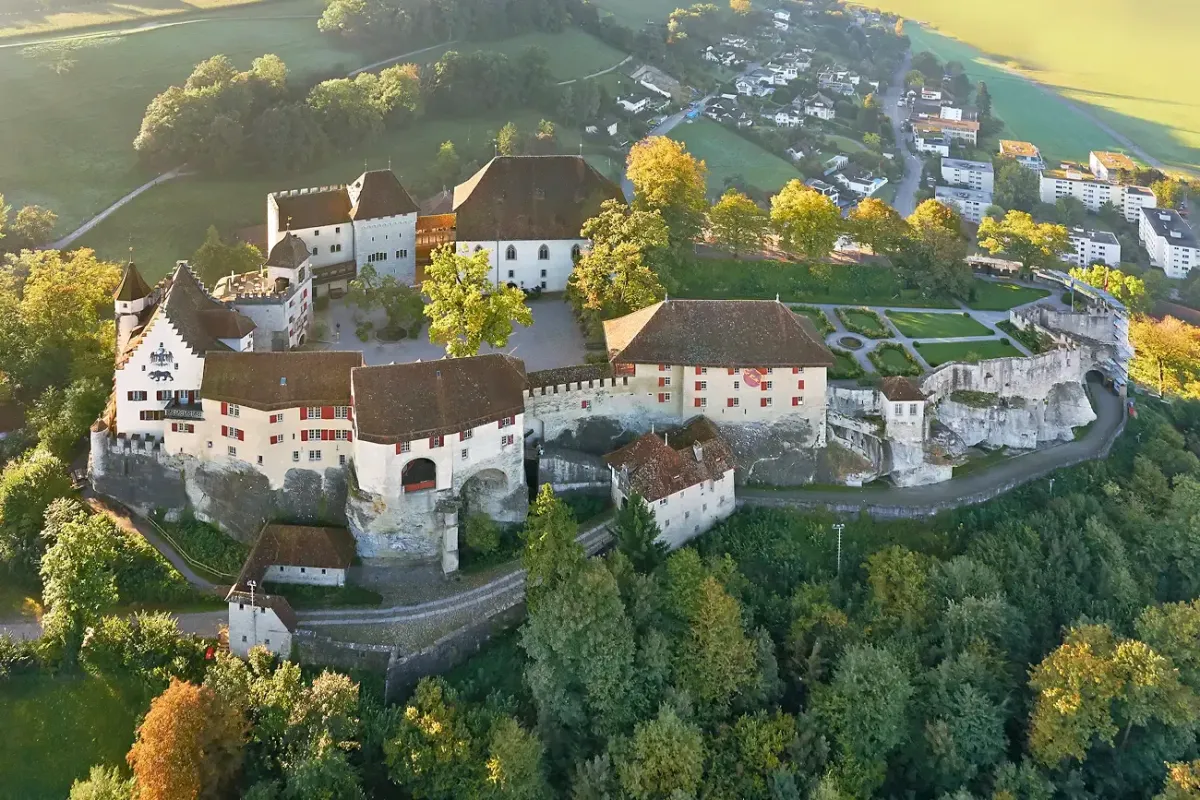
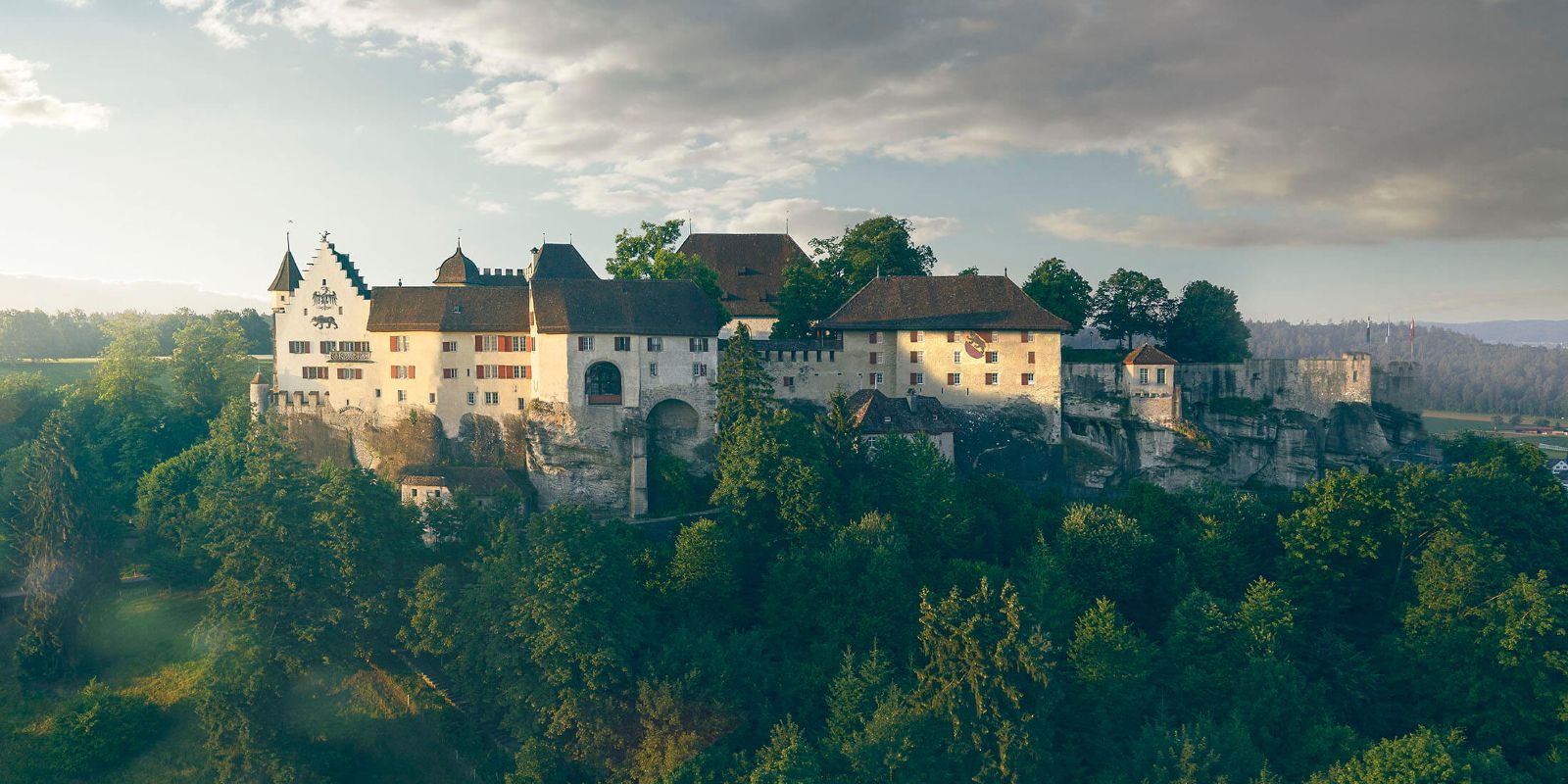
The first mention of a castle at this site appears in a document dating from 1077. The Counts of Lenzburg had built a stately residential tower there. When the line died out, the executor of the will was none other than Emperor Frederick I (page in German), nicknamed Barbarossa because of his red beard. He divided the Lenzburg inheritance, with the castle going largely to his son Otto. After Otto’s death, Lenzburg passed into the hands of the powerful Kyburg family. But in 1263, that line also died out.
Rudolf IV, Count of Habsburg (later King Rudolf I), acquired Lenzburg in 1273 and held a court session here in 1275. In 1306, the Habsburgs granted town rights to the small town of the same name at the foot of the castle. Lenzburg was expanded under the Habsburgs and their servants.
The wedding plans of Duke Frederick II with the daughter of the English King Edward III ended bitterly: he began construction of the magnificent knight's house, but Frederick II died in 1344 without completing the house and without ever seeing his future wife.
Finally, the Habsburg noble family Ribi-Schultheiss (page in German) moved in and administered the area on behalf of the Habsburgs. This period saw armed conflicts with the Swiss Confederates. The power of the Habsburgs in their ancestral lands crumbled after devastating defeats.
Lenzburg Castle did not belong to the Habsburgs for nearly 150 years. When the Bernese conquered what would become the Bernese Aargau in 1415, the town of Lenzburg surrendered without bloodshed.
However, the Bernese did not take possession of the castle until later. Their bailiffs resided here until the demise of the Old Swiss Confederacy. One of them, Adrian von Bubenberg (page in German), became famous in 1476 during the Burgundian Wars as the defender of Murten. The fortress was reinforced during the Thirty Years' War (page in German), and in the Peasants' War (page in German) of 1653, the Bernese imprisoned captured peasant leaders here.
In 1798, the last Bernese bailiff surrendered the castle without a fight to the advancing French. In 1803, it passed to the newly founded canton of Aargau and was converted into a private boys' school. Later, the castle had various private owners, including a wealthy German. One of his sons, Frank Wedekind (page in German), became a famous writer. Since 1956, it has belonged to the canton of Aargau and the town of Lenzburg through a foundation.
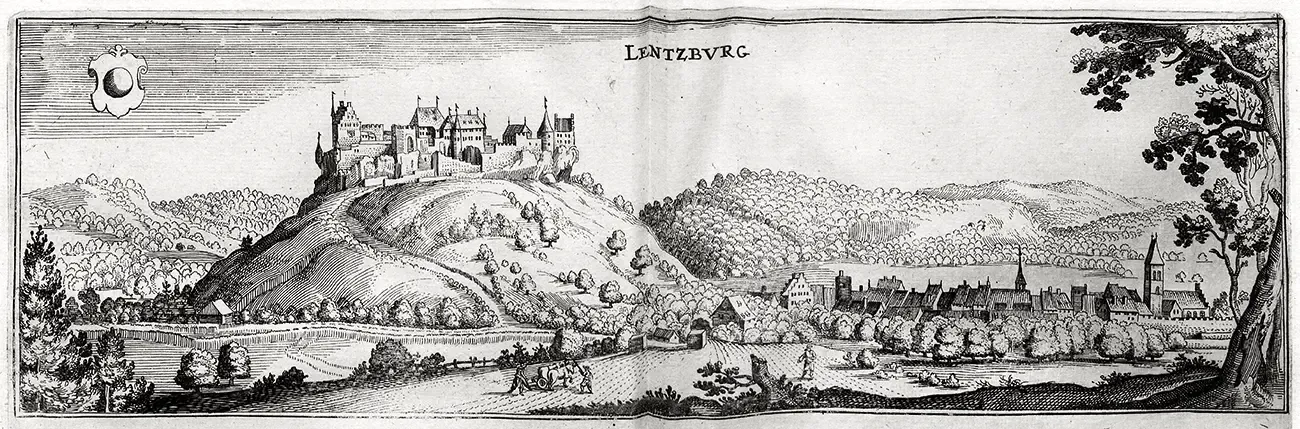
Traces of the Habsburgs today
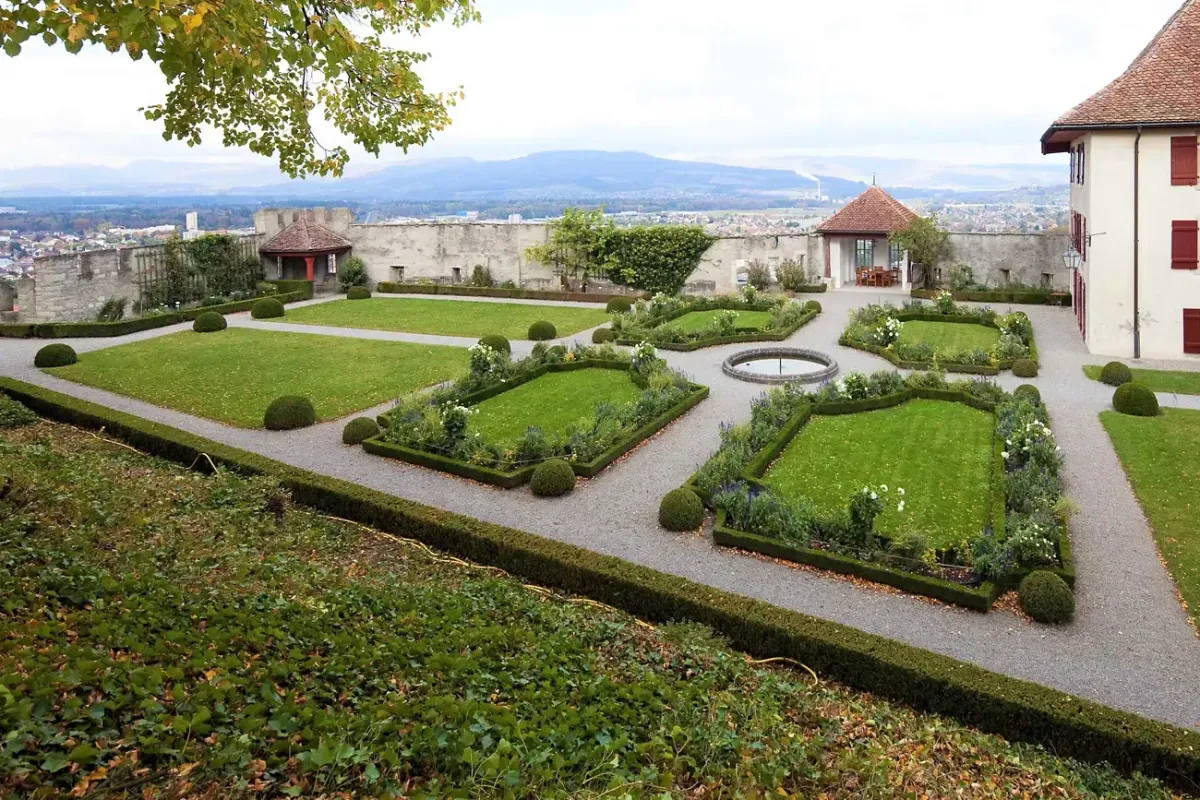
Over the course of 900 years, numerous generations and various owners built and expanded Lenzburg Castle (Stapferhaus, bailiwick, etc.). Several buildings were destroyed by fire, such as the former bailiwick building dating from the Habsburg era. The palace and the tower still date back to the Lenzburg era. The most significant Habsburg building is undoubtedly the Knights’ House.
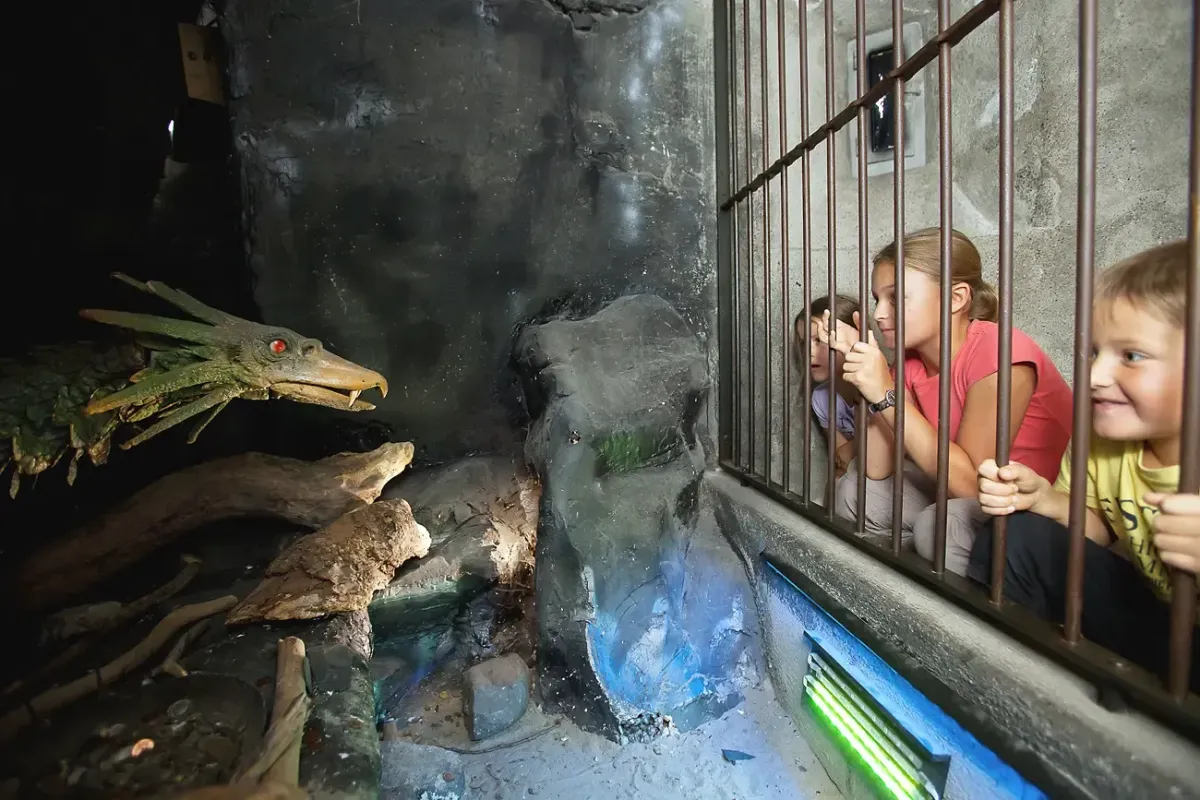
A more recent dragon greets visitors from the bell tower of the bailiwick castle. According to legend, the Schlossberg once belonged to a dragon. Two brave knights, who later became the Counts of Lenzburg, defeated it. The Aargau Museum draws inspiration from this legend with its hissing, smoking “Fauchi”: in its castle cave, it is an irresistible attraction for children.
Lenzburg Castle today