

The Habsburgs
The illustrious Habsburg dynasty shaped the history of Europe for centuries.
During the High Middle Ages, the Habsburgs rose from being a regional noble family to become one of the most powerful ruling families in Europe. Their name derives from their ancestral castle, ‘Habsburg’, in what is now the canton of Aargau, which was built around 1020.
The ancestral lands
The former ancestral lands of the Habsburgs lay in what is now the Swiss Mittelland, particularly in the regions of Aargau (page in German), Zürichgau (page in German), Frickgau (page in German) and parts of Central Switzerland and Alsace (page in German).
To consolidate their power, they founded towns such as Bremgarten, Brugg and Laufenburg. Baden and Rheinfelden gained importance as administrative centres. Important castles and the monastic foundations in Köngisfelden and Muri still bear witness today to the Habsburg legacy in Aargau. They demonstrate how political, economic and religious power were deliberately intertwined.
Even before 1300, the Habsburgs were increasingly turning their attention towards the Austrian Alpine region and Vienna. For the dynasty, the importance of their ancestral lands gradually declined as their centre of power shifted. They increasingly entrusted the administration of her ancestral lands to court nobles (page in German), while the family itself was less and less present on the estate.
Rise to Power and Rule
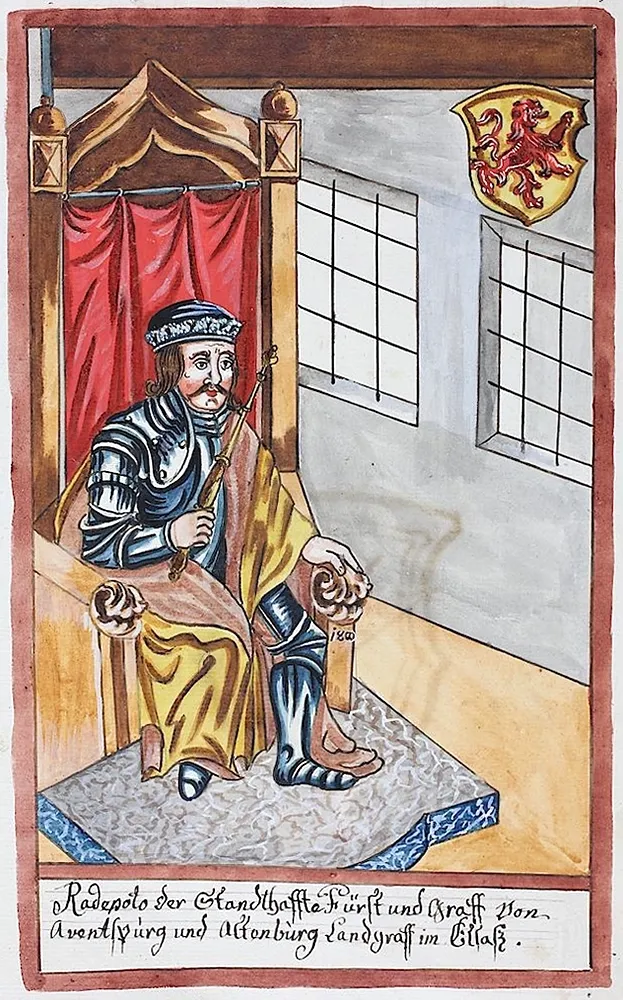
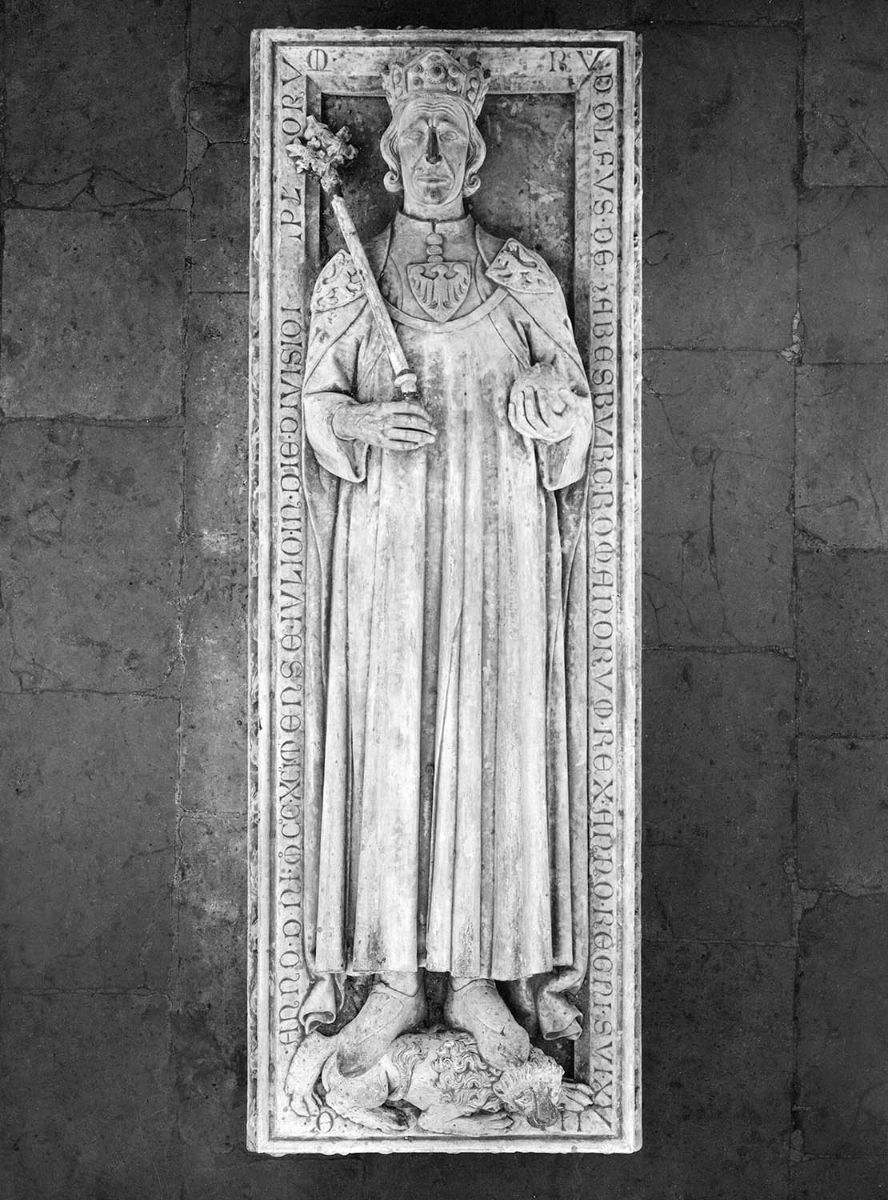
In 1273, Rudolf I of Habsburg was elected King of the Romans. This laid the foundation for the rise of the Habsburg dynasty and also shaped the Habsburgs’ development in Aargau.
Through skilful marriage alliances and inheritances, the Habsburgs continually expanded their holdings: they acquired, amongst other territories, Austria, Styria, Carinthia, Carniola, Tyrol, Bohemia, Hungary, parts of Italy, the Netherlands, and later Spain and Portugal with their colonial territories.
From 1438 to 1806 – apart from a brief interruption – the Habsburgs were the emperors of the Holy Roman Empire (page in German).
Dynastic divisions and lines
In the 16th century, the House split into a Spanish and an Austrian line. The Spanish line died out in 1700, and the Austrian line with the death of Charles VI around 1740.
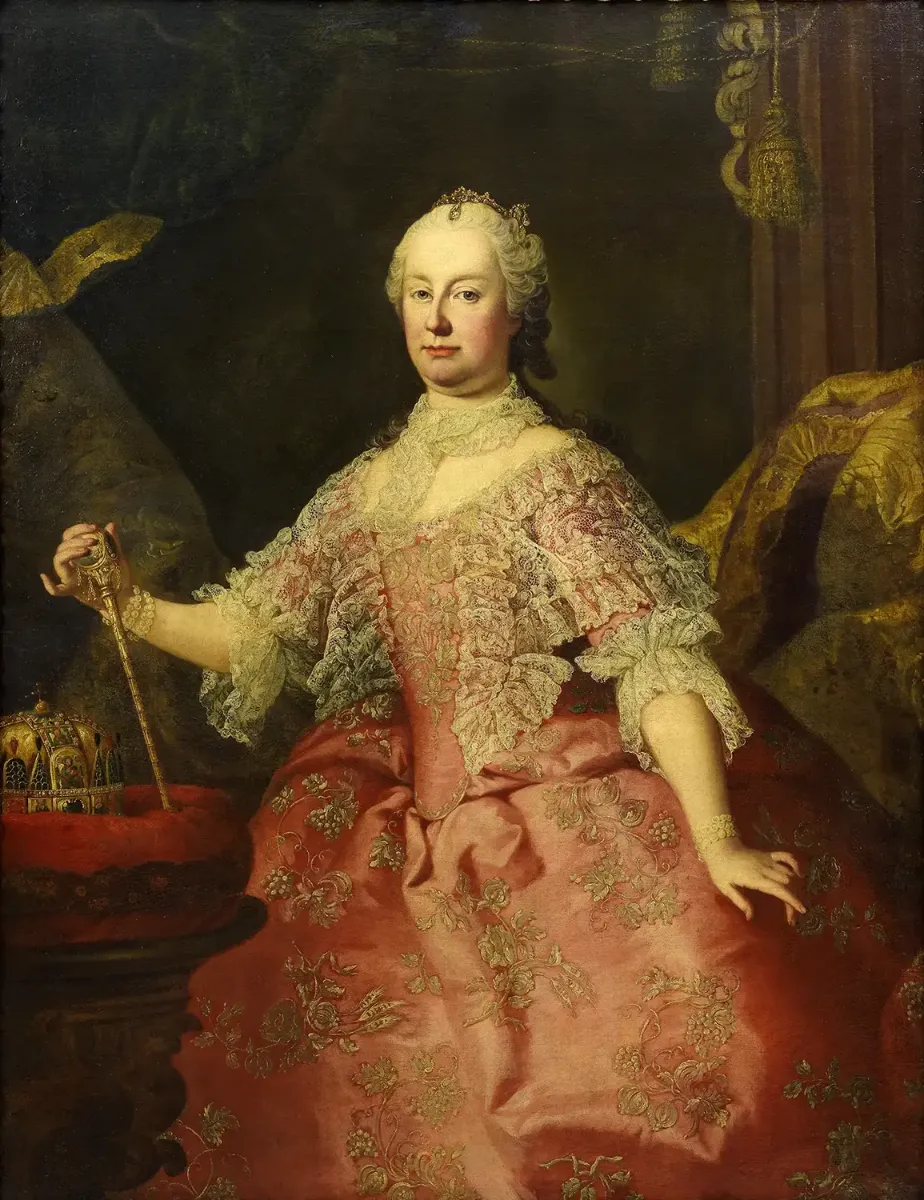
The Habsburg Archduchess Maria Theresa, daughter of Charles VI, succeeded to the throne. Through her marriage to Francis Stephen of Lorraine, she founded the House of Habsburg-Lorraine, which reigned until 1918.
The Danube Monarchy
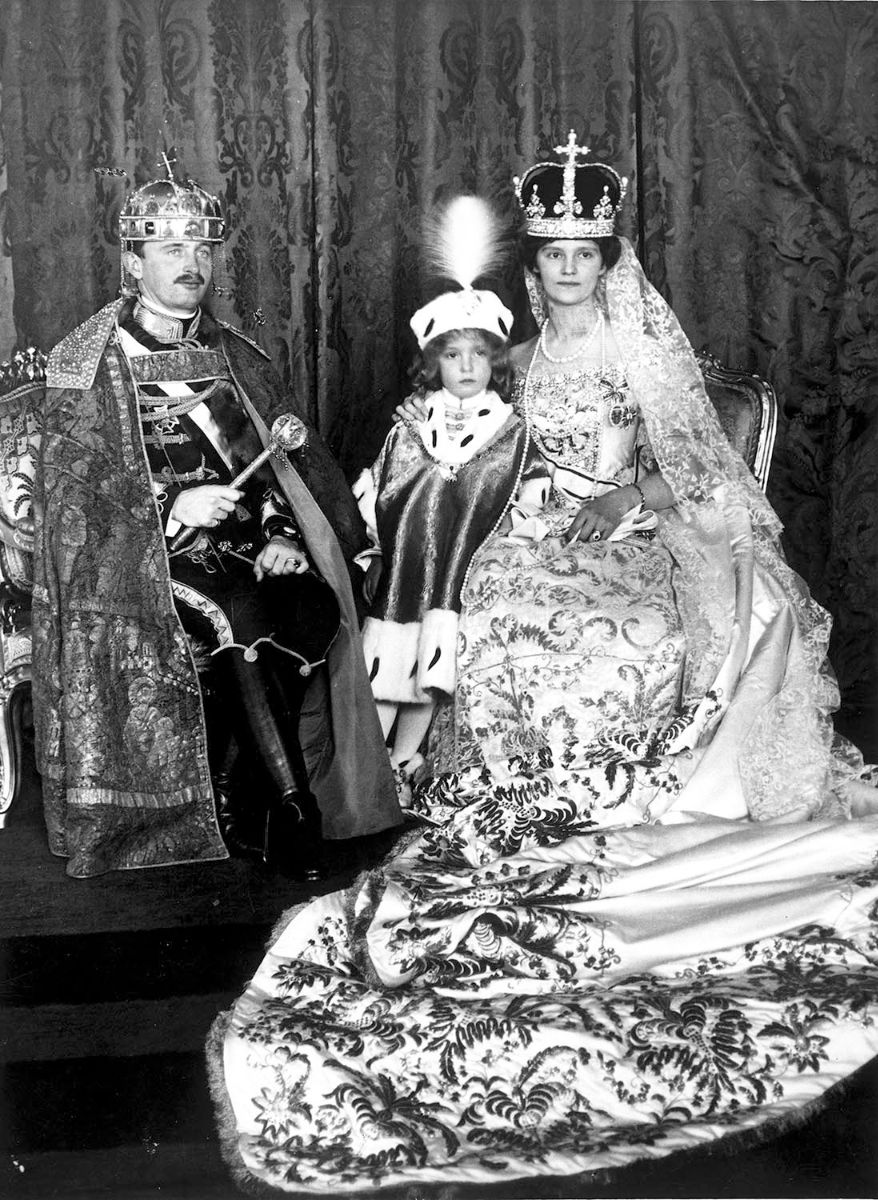
The Danube monarchy consisted of numerous, sometimes very diverse territories, united solely by their common monarch. The Habsburgs never created a unified state, but rather a complex multi-ethnic state that only disintegrated after the First World War. The Danube monarchy began in 1526 under Emperor Ferdinand I and ended in 1918 under Emperor Charles I.
Notable heads of the family and the end of the dynasty
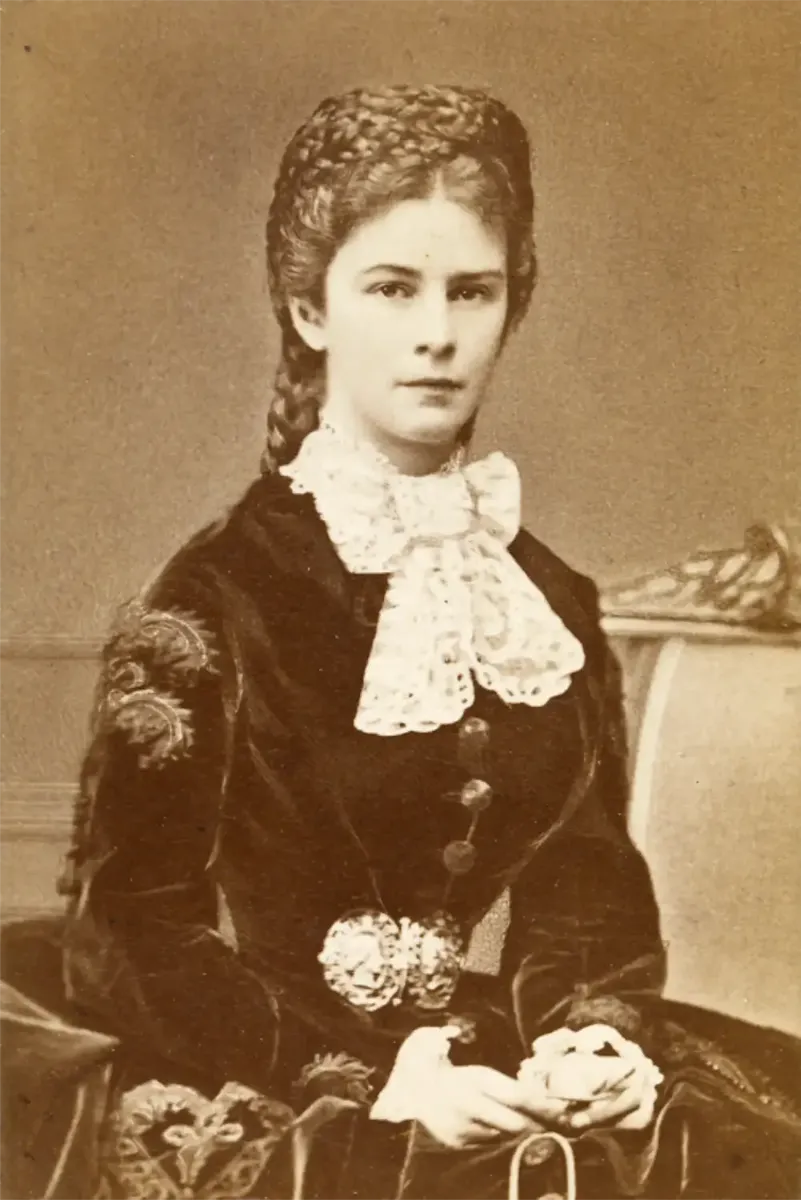
Among the most famous Habsburg kings and empresses are Rudolf I, Maximilian I, Charles V, Maria Theresa, Marie Antoinette (France), Leopoldine (Brazil), Elisabeth of Austria (Sisi) and Franz Joseph I.
Franz Joseph I reigned from 1848 to 1916 and witnessed the slow decline of the monarchy, which finally came to an end in 1918 following the First World War.
Significance and Legacy
The Habsburgs were among the five dominant great powers of the continent and shaped world history for centuries. Their political, cultural and legal legacy in Central Europe endured even the most profound upheavals of the 20th century.
Thus, the crowns of the Habsburgs continue to shine to this day – whether in romanticised nostalgia or as an enduring inspiration for a multinational, constitutional order in Europe. Traces of this global dynasty are still visible in the cultural landscapes, buildings and institutions of Central Europe.
Bibliography and list of sources (selection in German):
Bretscher-Gisiger Charlotte, Sieber Christian: Acta Murensia. Die Akten des Klosters Muri mit der Genealogie der frühen Habsburger. Edition. Übersetzung. Schwabe Verlag. 2012.
Dosswald Cornel, Meier Bruno: Die Entstehung der Stadt Bremgarten. Siedlung, Verkehr und Stadtrecht im Mittelalter. hier + jetzt Verlag. 2009.
Frey Peter: Die Burgen des Kantons Aargau. Mittelalterliche Adelssitze. Archäologie im Aargau. Kantonsarchäologie Aargau. Kanton Aargau. 2023.
Heimann Heinz-Dieter: Die Habsburger. Dynastie und Kaiserreiche. C.H. Beck Wissen Verlag. 1. Auflage 2004. 6. aktualisierte Auflage. 2021.
Hoegger Peter: Das ehemalige Zisterzienserkloster Wettingen. Die Kunstdenkmäler des Kanton Aargau. Band VIII. Bezirk Baden III. Weise Verlag Basel. 1998.
Meier Bruno: Ein Königshaus aus der Schweiz. Die Habsburger, der Aargau und die Eidgenossenschaft. hier + jetzt Verlag. 2008.
Meier Bruno: Das Kloster Muri. Geschichte und Gegenwart der Benediktinerabtei. hier + jetzt Verlag. 2011.
Meier Bruno: Agnes. 1280 - 1364. Die einflussreichste Habsburgerin des Mittelalters. hier + jetzt Verlag. 2025.
Niederhäuser Peter (Hg.): Die Habsburger zwischen Aare und Bodensee. Mitteilung der Antiquarischen Gesellschaft in Zürich. Band 77 (174. Neujahrsblatt). Chronos Verlag. 2010.
Hälg-Steffen Franziska: von Habsburg / von Österreich. In: Historisches Lexikon der Schweiz. Online-Ausgabe Version vom 06.09.2023. www.hls-dhs-dss.ch/de/articles/019506/2023-09-06 Abgerufen am: 04.05.2026.
Die Welt der Habsburger. Ein Projekt der Schönnbrunn Group. Kaiserliches Österreich Entdecken. www.habsburger.net/en Abgerufen am: 04.05.2026.