
First resting place of the murdered King Albrecht I of Habsburg
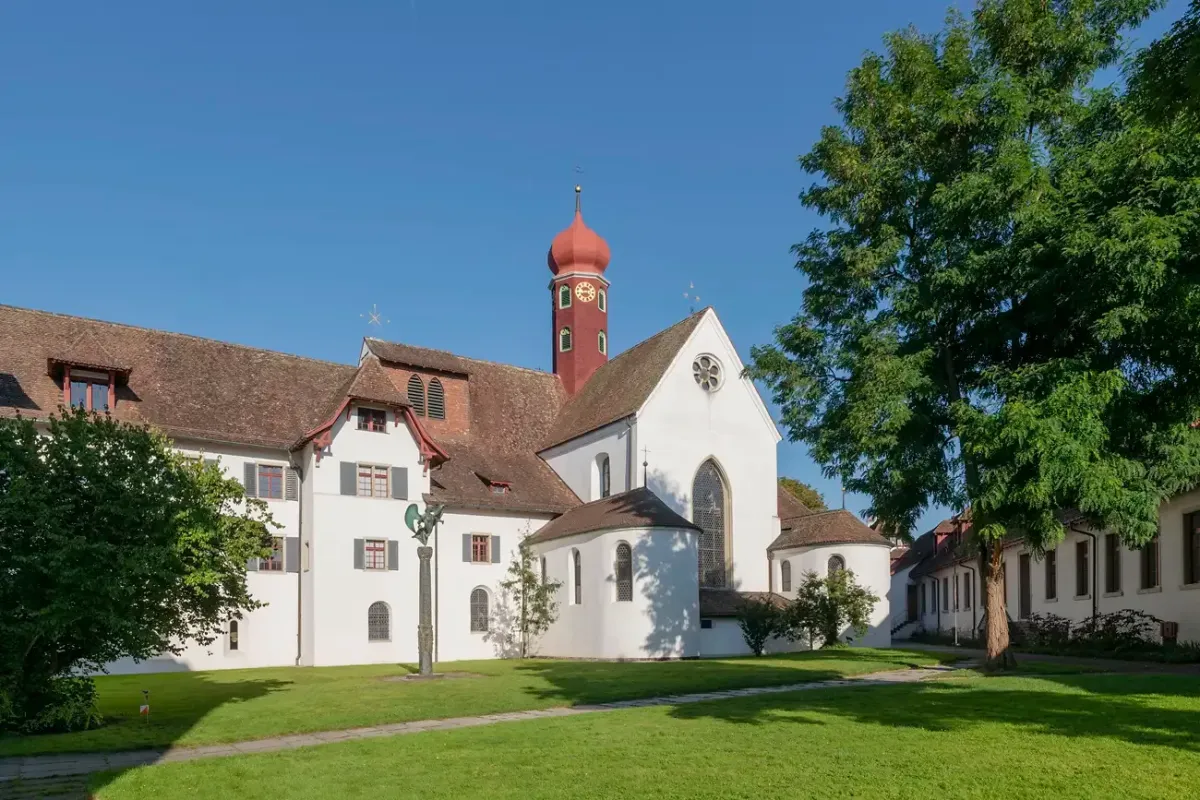
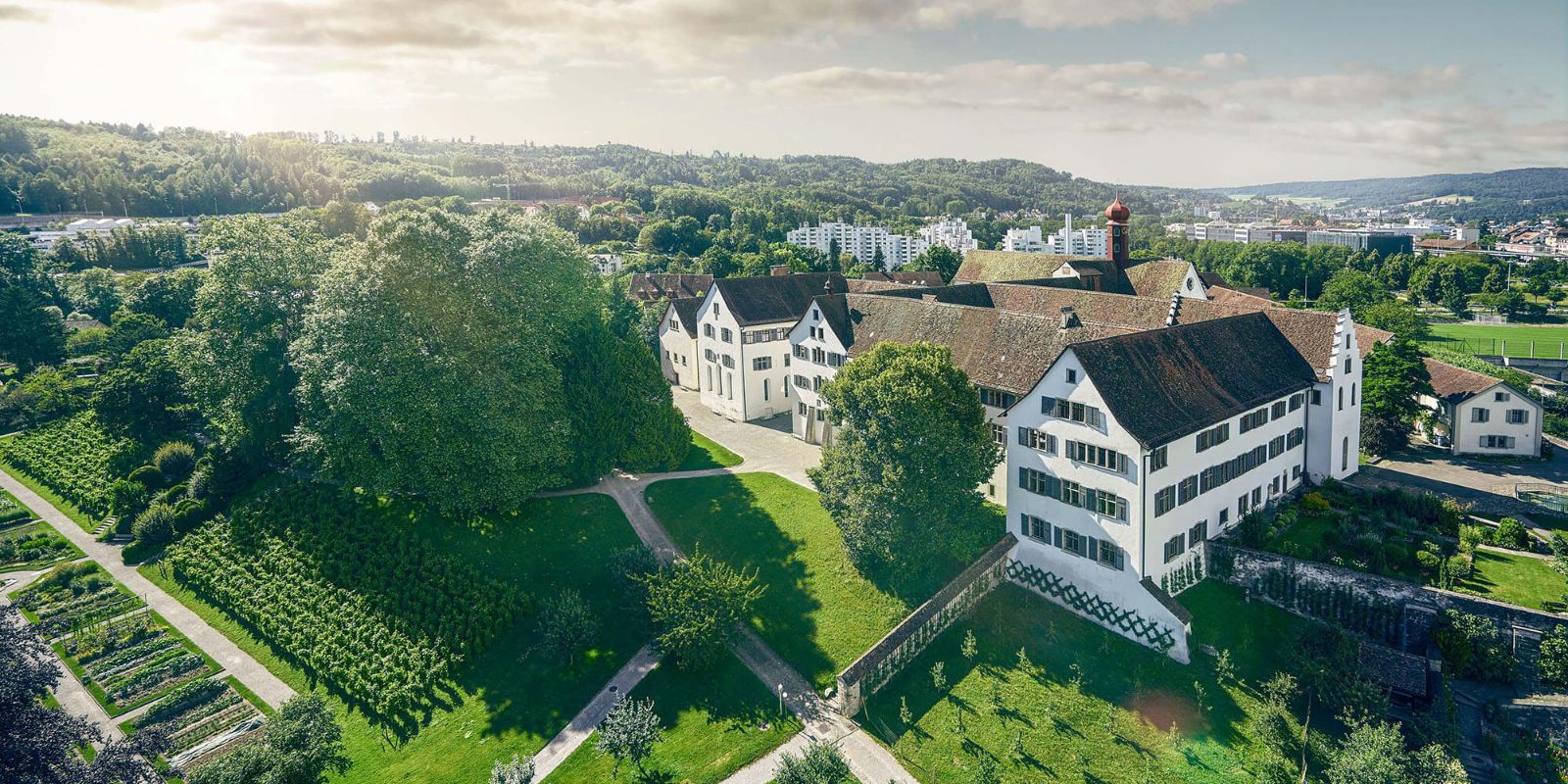
Wettingen Abbey was founded in 1227 by Baron Heinrich von Rapperswil (page in German), according to legend, as an act of gratitude for being rescued from a violent storm at sea during a crusade on his return journey from the Holy Land. In his distress, he prayed to Mary and promised to found a monastery if he survived. Then a bright star in the sky (‘Maria Stella’ / ‘Star of the Sea’) promised salvation. The land for the monastery on the Limmat peninsula east of Baden was purchased by Hartmann von Dillingen, upon his return from the crusade.
The first twelve monks who laid the foundation stone for the Cistercian monastery (page in German) in Wettingen under Prior Konrad and built it, came from Salem Abbey on Lake Constance. The monastery church was consecrated in 1256 and again in 1294 after structural renovations.
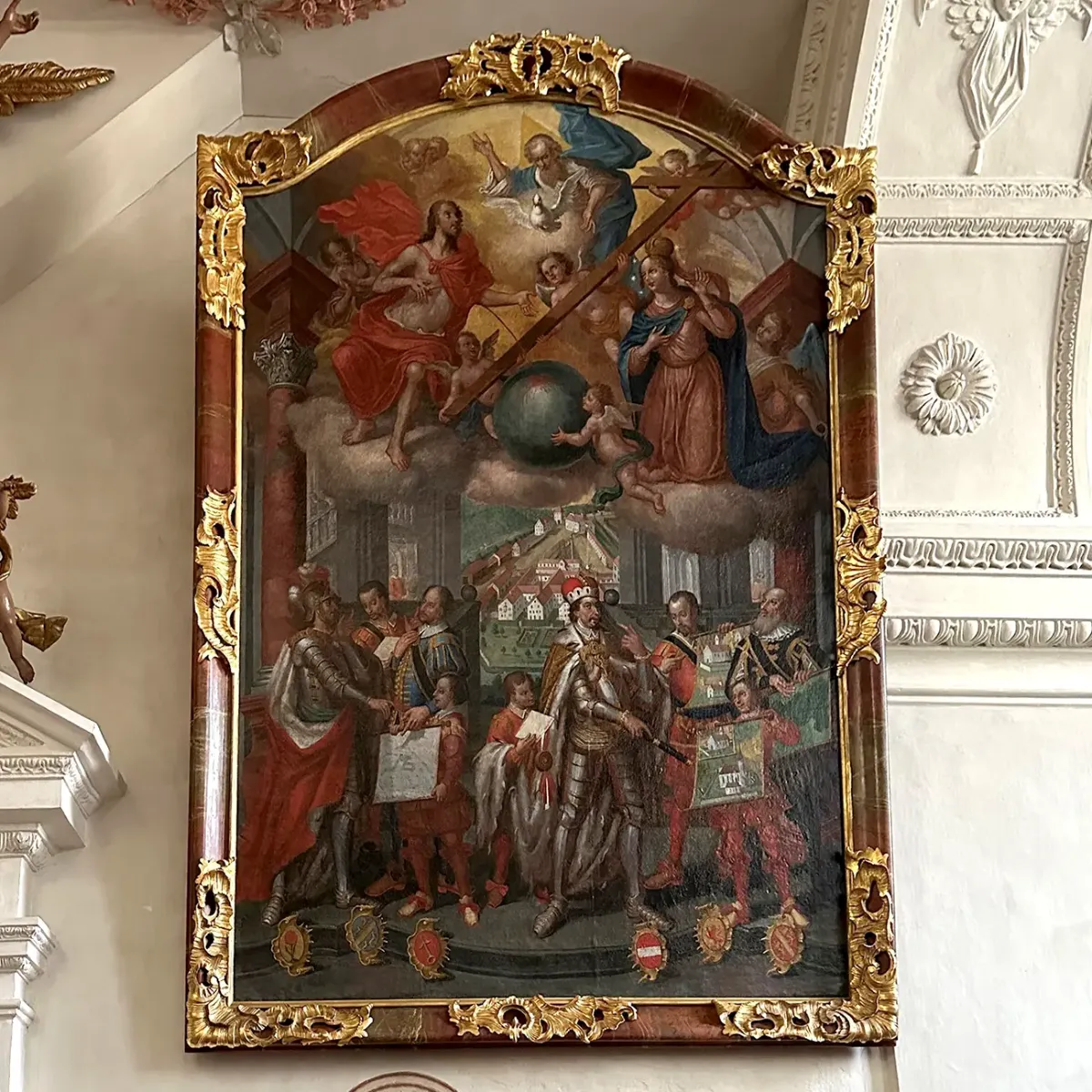
After the Kyburg line died out in 1264, the Habsburgs were able to secure possession of the abbey. They ensured its protection until 1415.
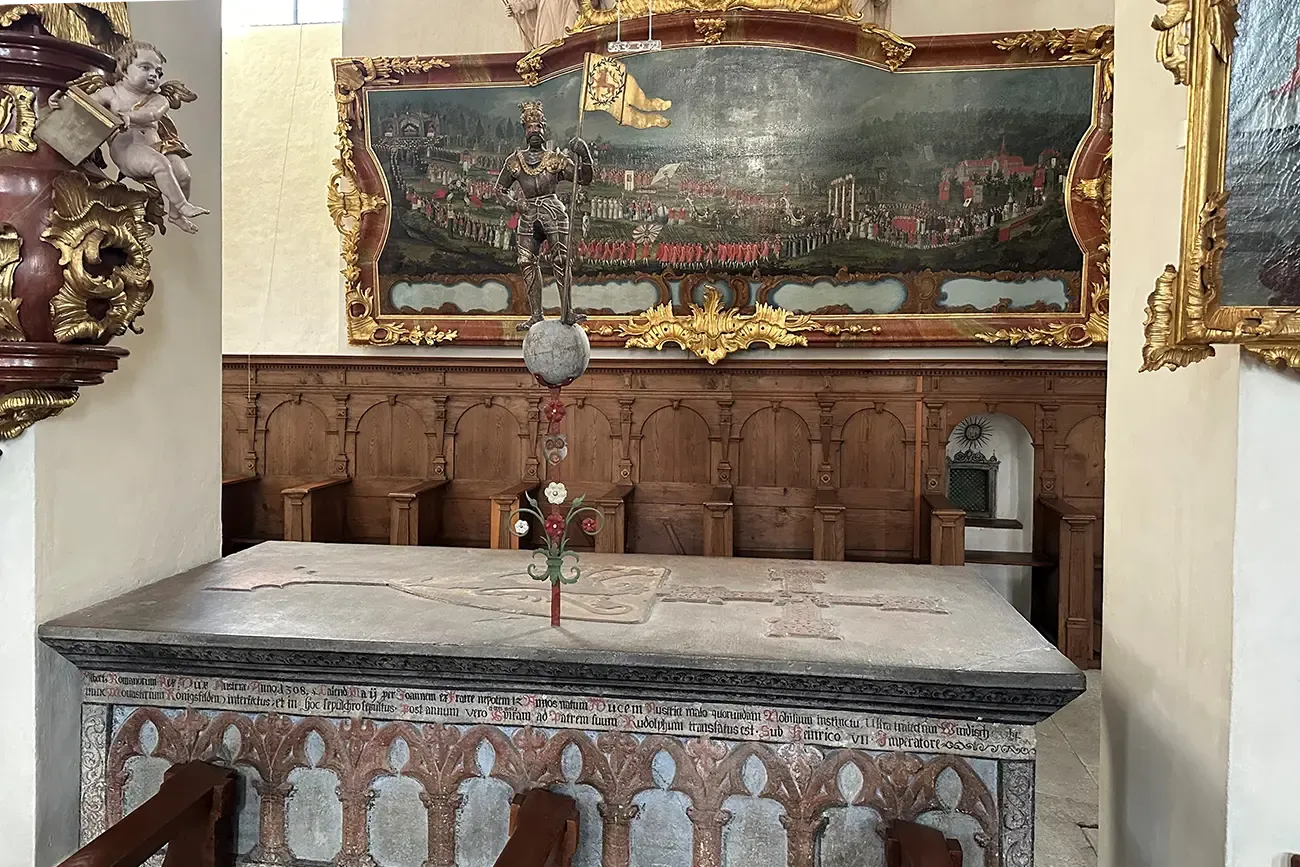
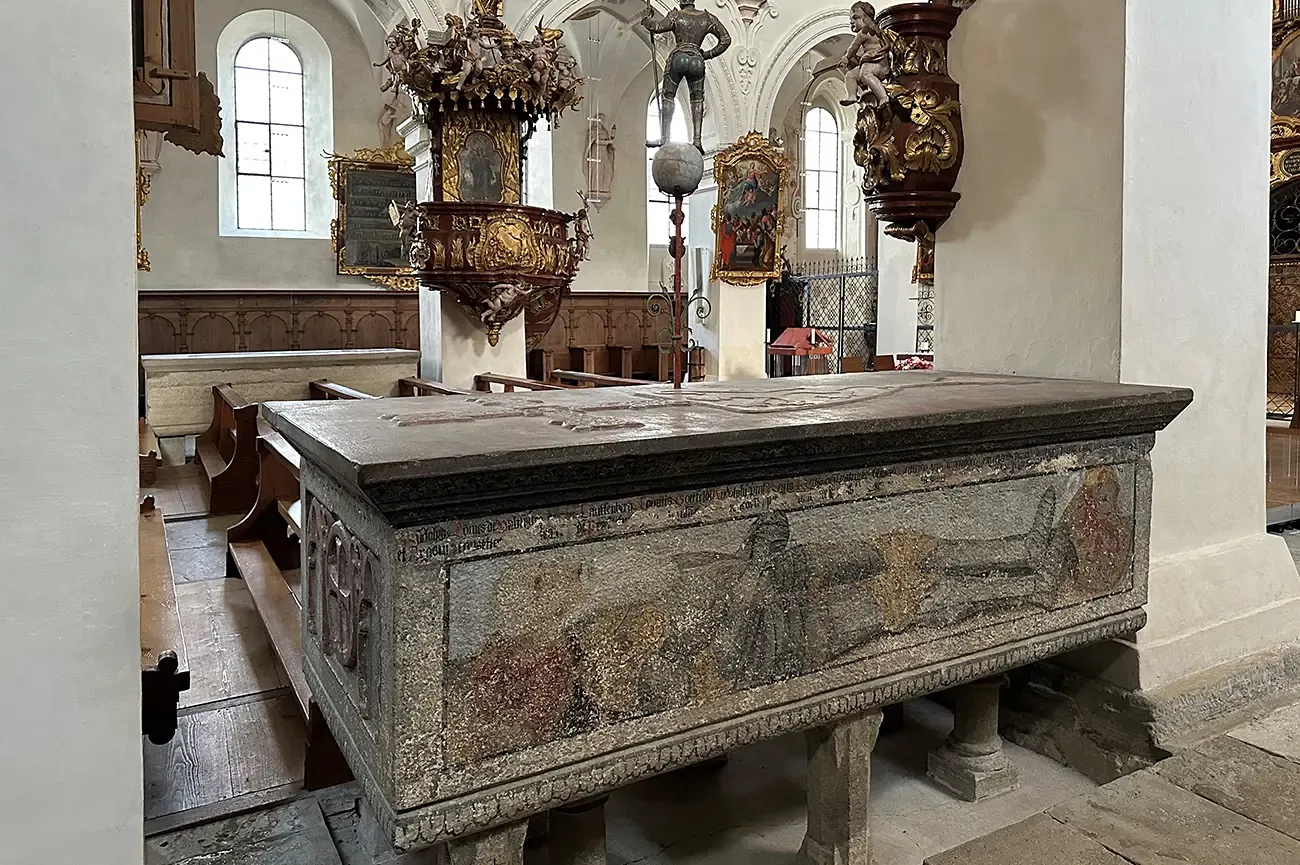
Count Rudolf IV of Habsburg, the first Habsburg Roman-German king from 1273, was considered a friend and patron of the monastery. In 1308, his son King Albrecht I, who had been murdered in Windisch, was laid to rest in the monastery church. In 1309, Albrecht's body was transferred to Speyer (page in German). In 1314, Count Rudolf III of Habsburg-Laufenberg was laid to rest in the same sarcophagus in Wettingen Monastery.
In 1415, Bern conquered most of what is now the canton of Aargau, including Wettingen Abbey. T The Bernese resumed their allegiance to the Habsburgs.
The Old Zurich War led to the destruction and subsequent reconstruction of the abbey. In 1507, a fire destroyed parts of the complex. The monastery experienced its heyday under Abbot Peter Schmid in the 17th century, when the church was also rebuilt.
In 1841, the Aargau Grand Council abolished the monasteries and the monks were given 48 hours to leave. In 1854, they finally found a new home in Mehrerau (Bregenz).
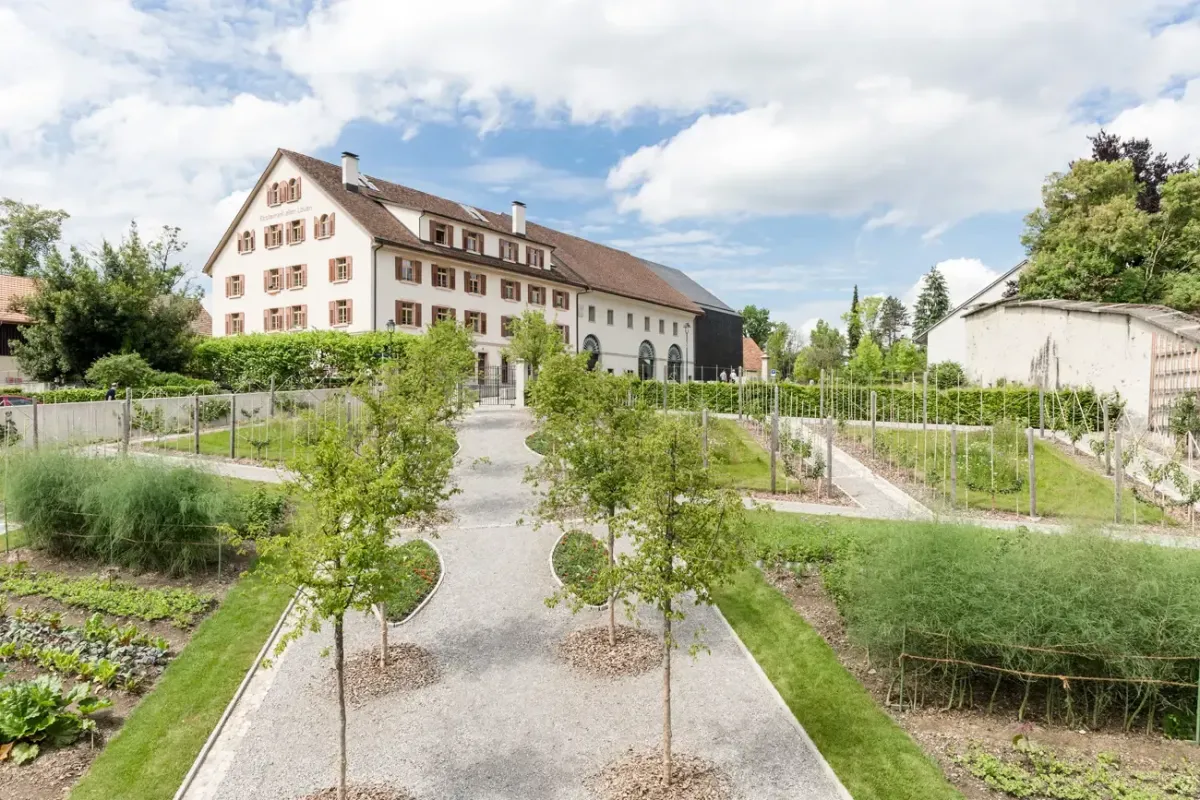
The monastery building (page in German) in Wettingen later served as a teacher training college and, from 1976, as the Wettingen Cantonal School. Since 2022, it has been part of the Museum Aargau.
Traces of the Habsburgs today
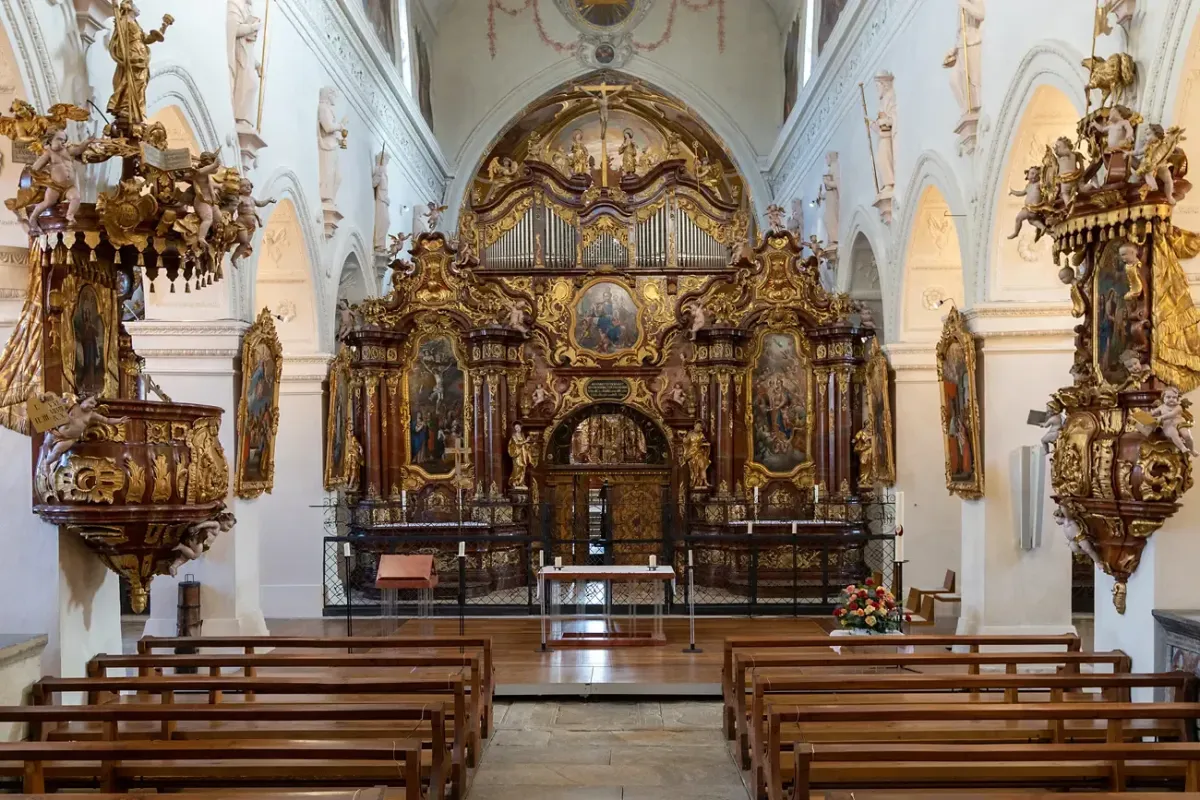
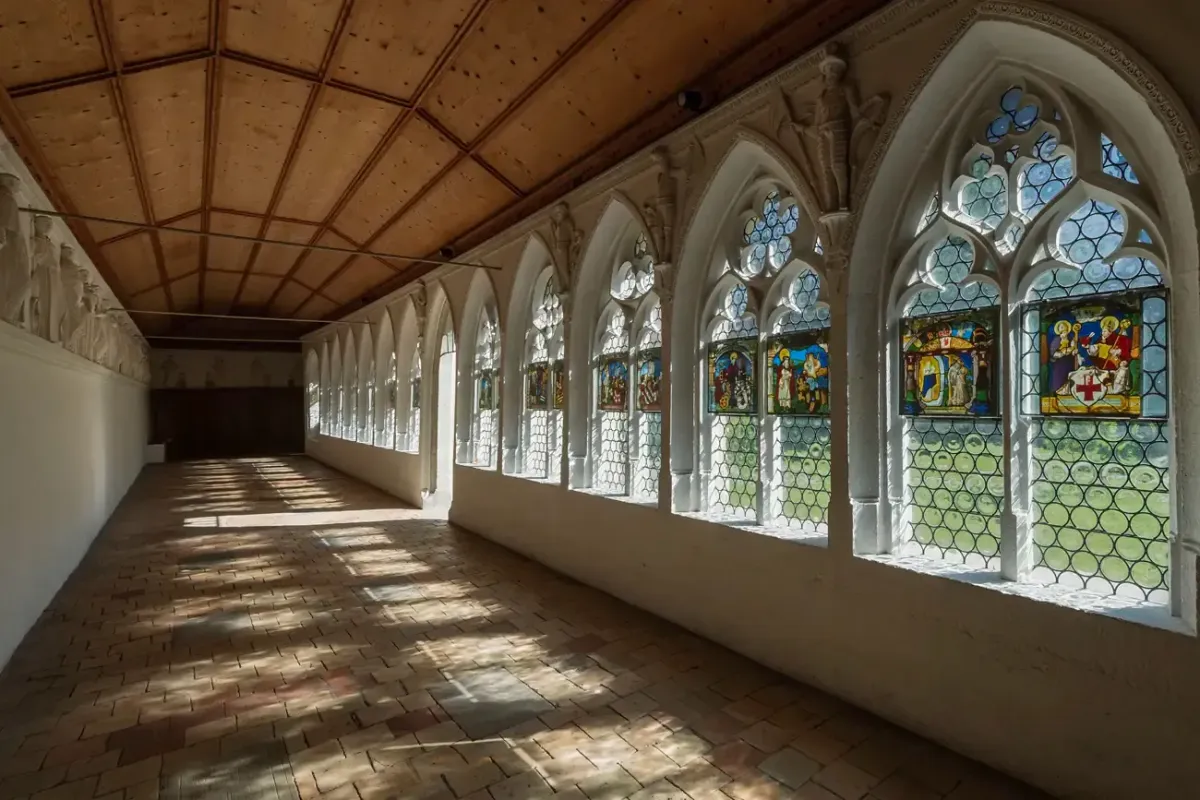
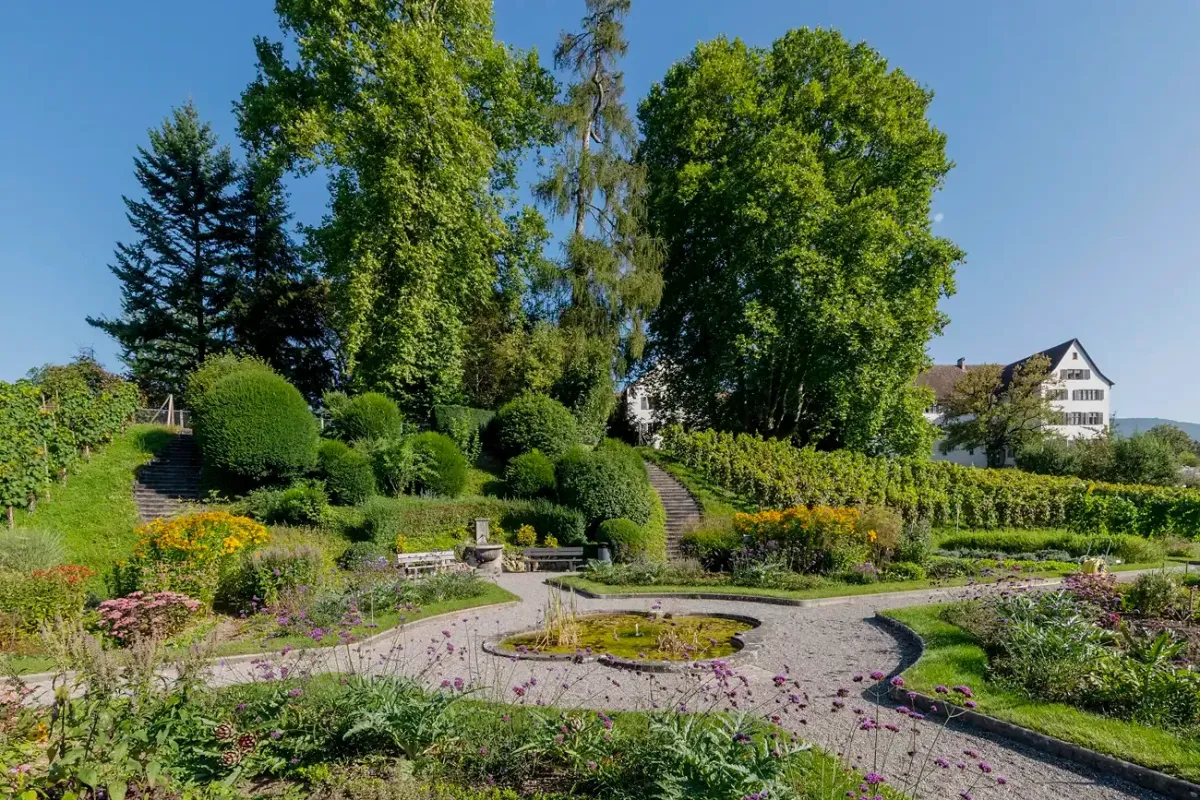
Wettingen Church and Convent are considered one of the best-preserved medieval monastery complexes in Switzerland. Most of the surrounding walls date back to the 13th century when the monastery was founded, as do the monastery church with its nave, transept, presbytery and chapels, the sacristy, the chapter house, the refectory and the monks' living quarters. These rooms and parts of the building were later rebuilt and extended several times. The central nave of the monastery church contains the Kyburg and Habsburg sarcophagi, the latter of which holds the remains of the murdered King Albrecht I. Further traces of the early Habsburgs can be found in the monastery cloister.
Wettingen Abbey today