
Wildegg Castle and the Habsburgs
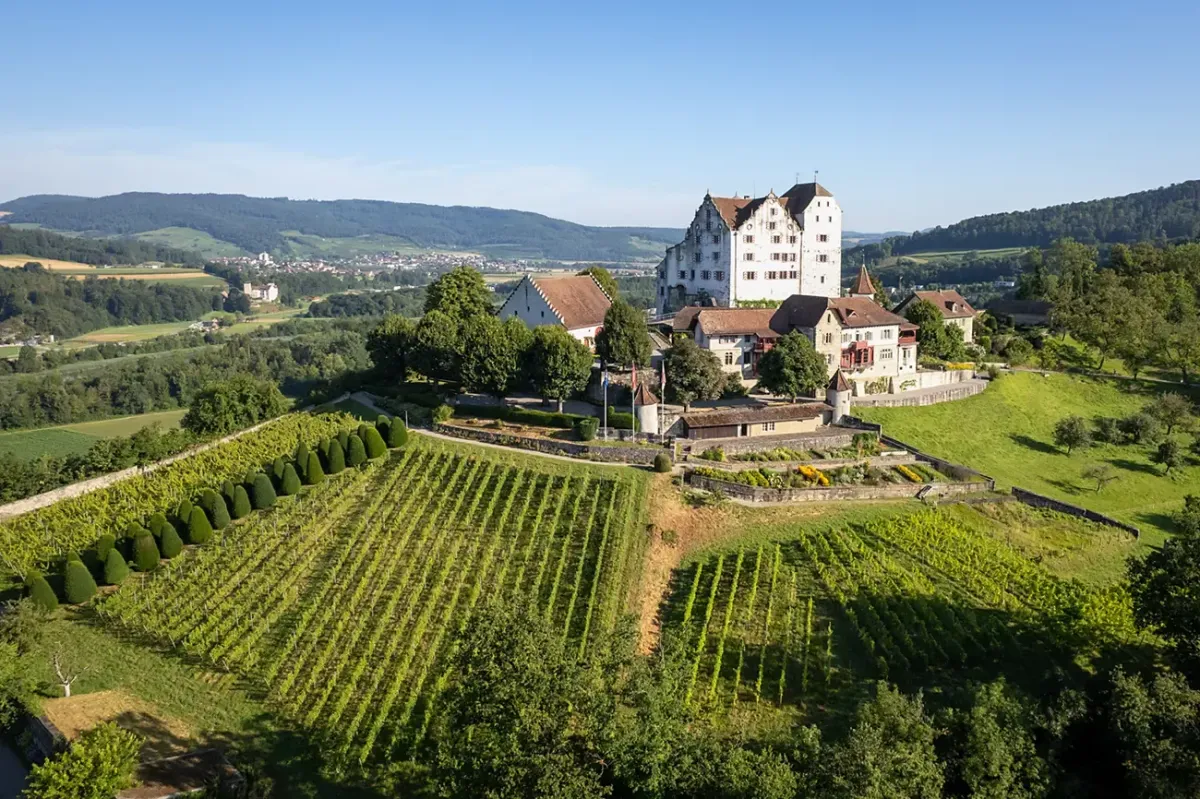
Wildegg Castle (originally a fortress) was founded by the Habsburgs, as was nearby Habsburg Castle. Around 1230/40, they laid the foundations for what would later become Wildegg Castle on the foothills of the Chestenberg above Bünz and Aare to secure their own property. However, the Habsburgs never lived in their castle; it was occupied by noble vassal families, the Truchsessen von Habsburg-Wildegg (page in German) and the Schenken von Habsburg. The castle is first mentioned in a document in 1242.
In 1348, the Truchsessen family had to sell their castle to Johann I von Hallwyl (page in German). He passed it on to his son Thüring I, who fell in battle against the Swiss Confederates at the Battle of Sempach in 1386. In return, his son, Thüring II (page in German), successfully defended the castle against the advancing Swiss Confederates in 1415 and even won a small battle against the Bernese in front of the castle. However, the von Hallwyl family, whose ancestral castle was largely burned down during the defence, then submitted to the victorious Bernese.
As a result, Thüring II von Hallwyl had to conclude a treaty of reconciliation with the Bernese and pay compensation. He eventually emigrated to Alsace and continued to serve the Habsburgs. He sold Wildegg Castle. After 1437, the castle had various owners.
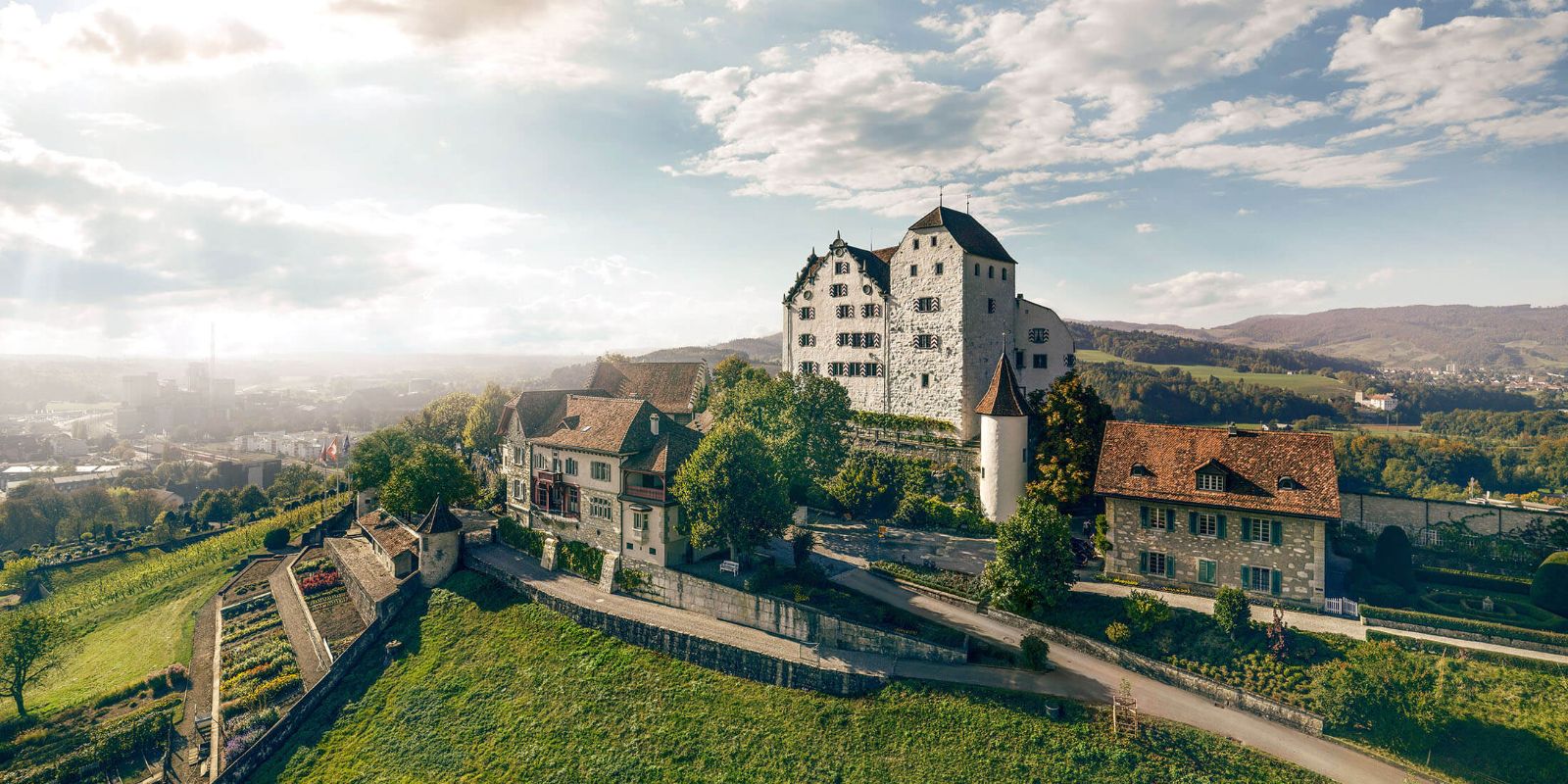
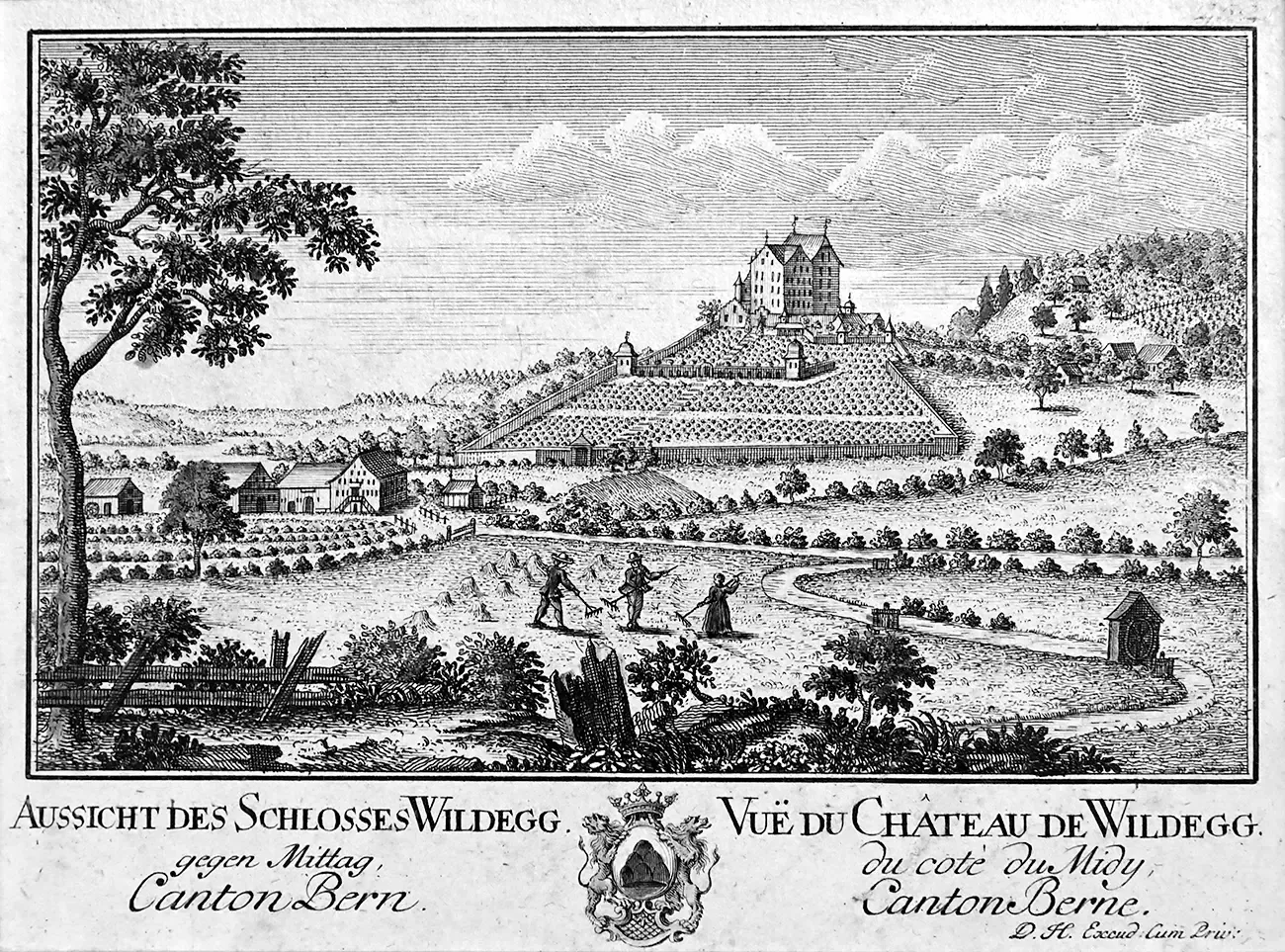
In 1552, a lightning strike caused a devastating fire, which only the masonry survived. Inside, traces of fire damage can still be seen in some of the unplastered areas. During the reconstruction, which lasted several years, a fourth floor was added to the residential wing. Around 1700, Bernhard von Effinger (page in German) transformed the fortified castle into a Baroque castle, giving it its current appearance. The Effinger family owned the castle for over 400 years, until the death of Julie von Effinger, the last descendant of the line, in 1912.
After that, the castle, whose furnishings partly originate from the old Effinger estate, became part of the Swiss National Museum. In 2011, after renovation, the federal government sold it to the canton of Aargau for a symbolic one franc. Today, Wildegg Castle belongs to the Museum Aargau.
Traces of the Habsburgs today
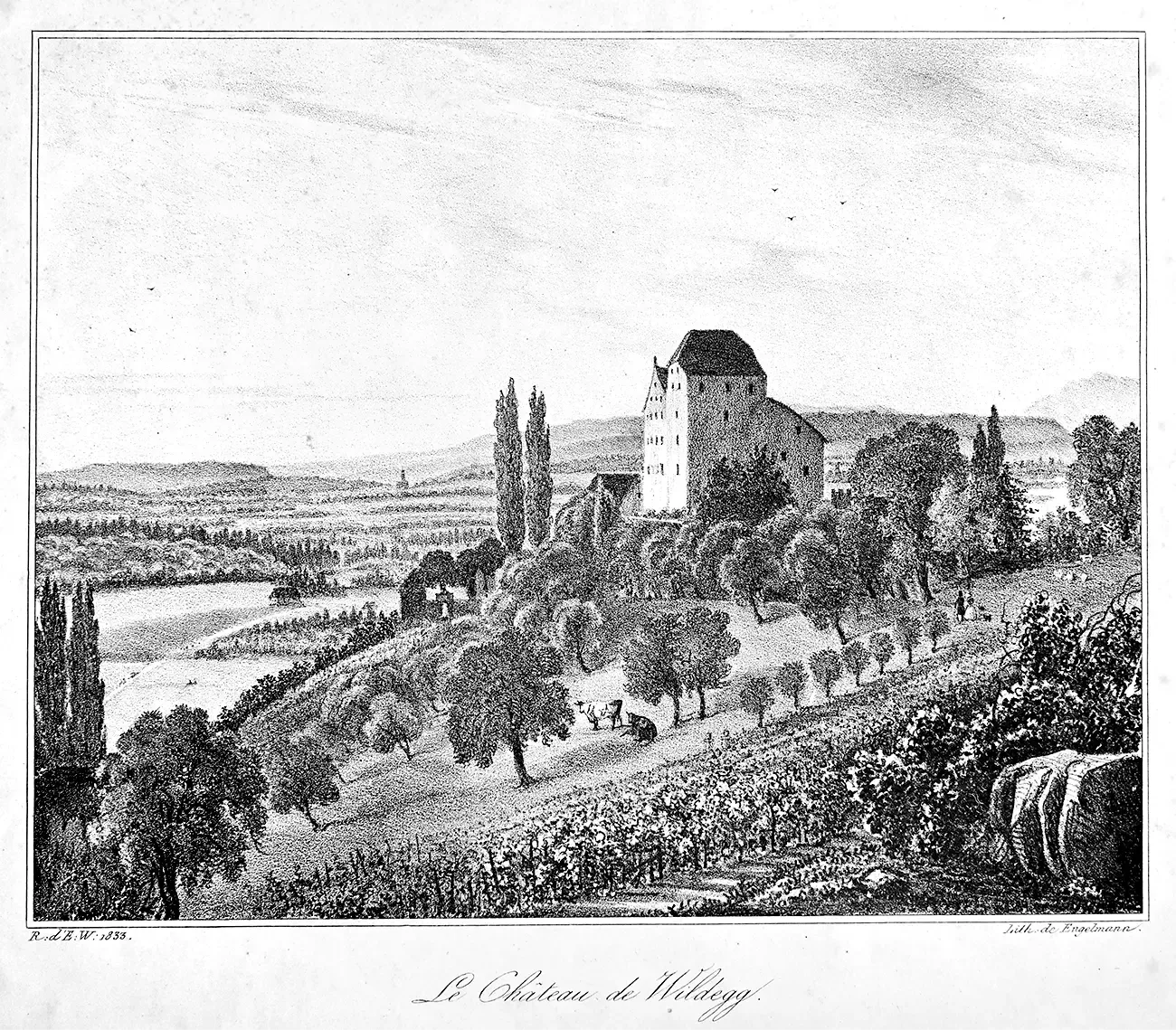
The castle enjoys a panoramic location. The chronological layout of its façade clearly shows that the foundations and the lower half of the keep—that is, its three lower stories, consisting of a 3-meter-thick megalithic wall—date from the first half of the 13th century, that is, the Habsburg era. The ground floor of the residential building (Palas), which has also been preserved to this day, dates back to this period as well.
In 1372, Thüring I expanded the castle. The keep (tower) was raised by two storeys to a height of 20 metres. Instead of an upper storey, which may originally have been made of wood, the residential building was given three additional storeys and grew to a height of 16 metres. Further conversions and extensions were added after 1415.
From the perspective of the Habsburg era, it is worth visiting the basement of the castle to see the stables. The outer wall of this extension dates from the 14th/15th century. The passageway with its unplastered masonry, through which the horses were led into the stables, is very impressive.
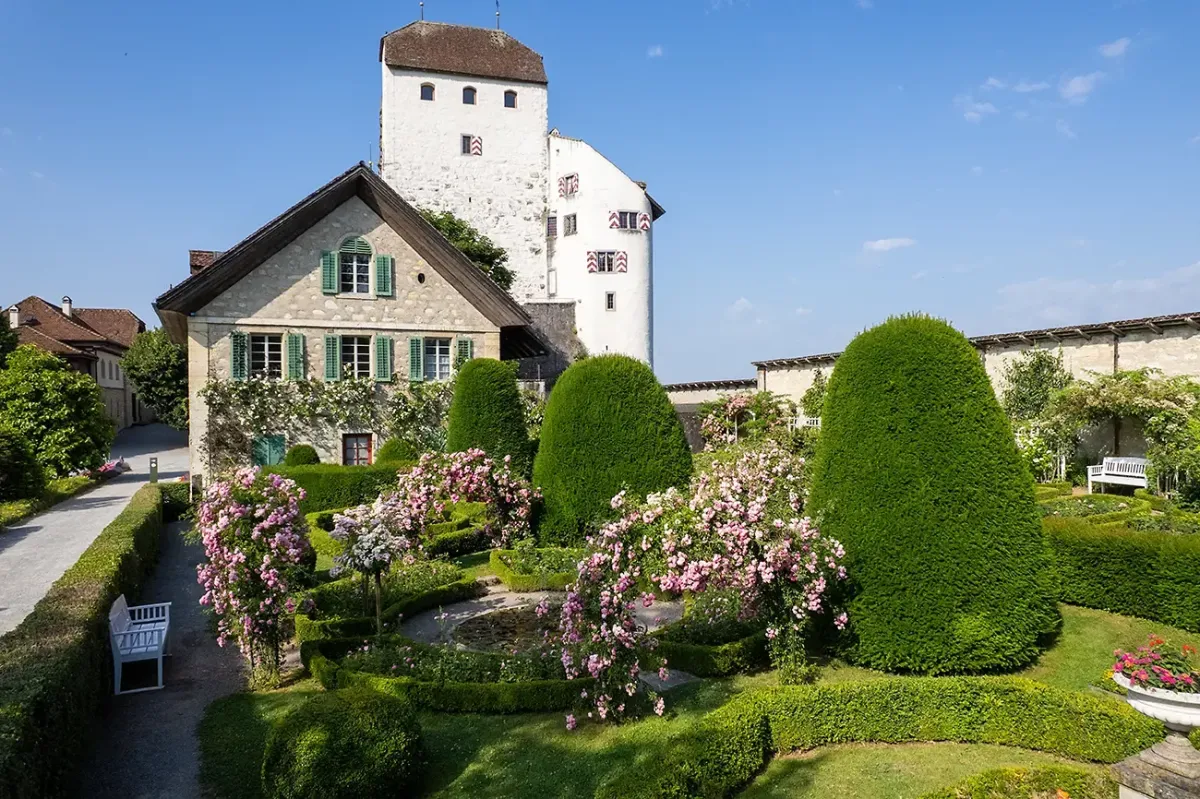
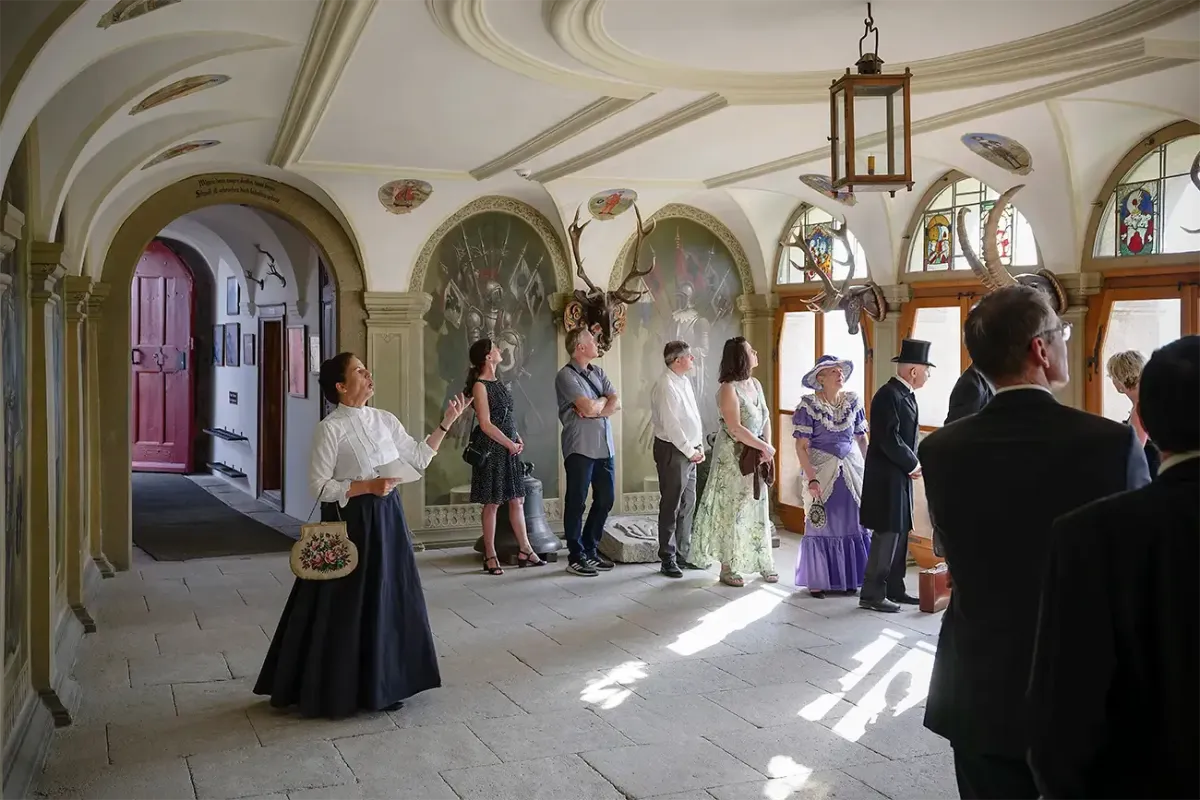
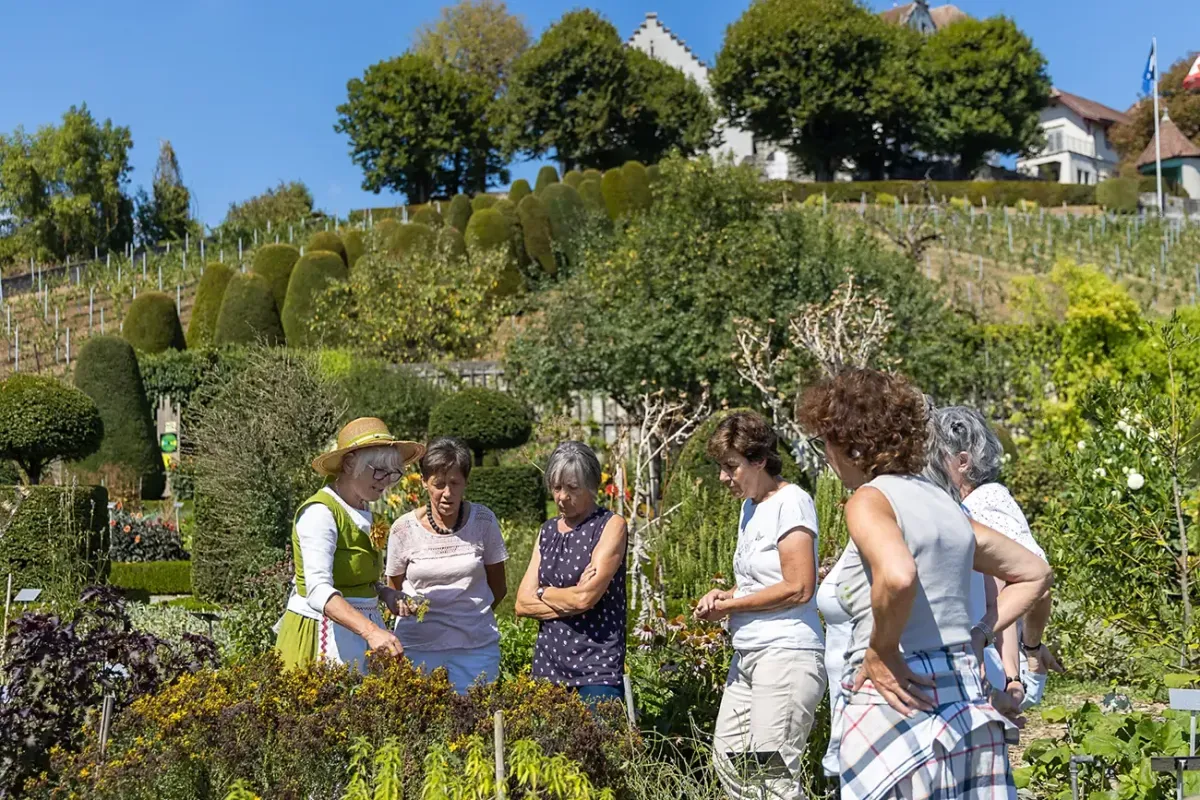
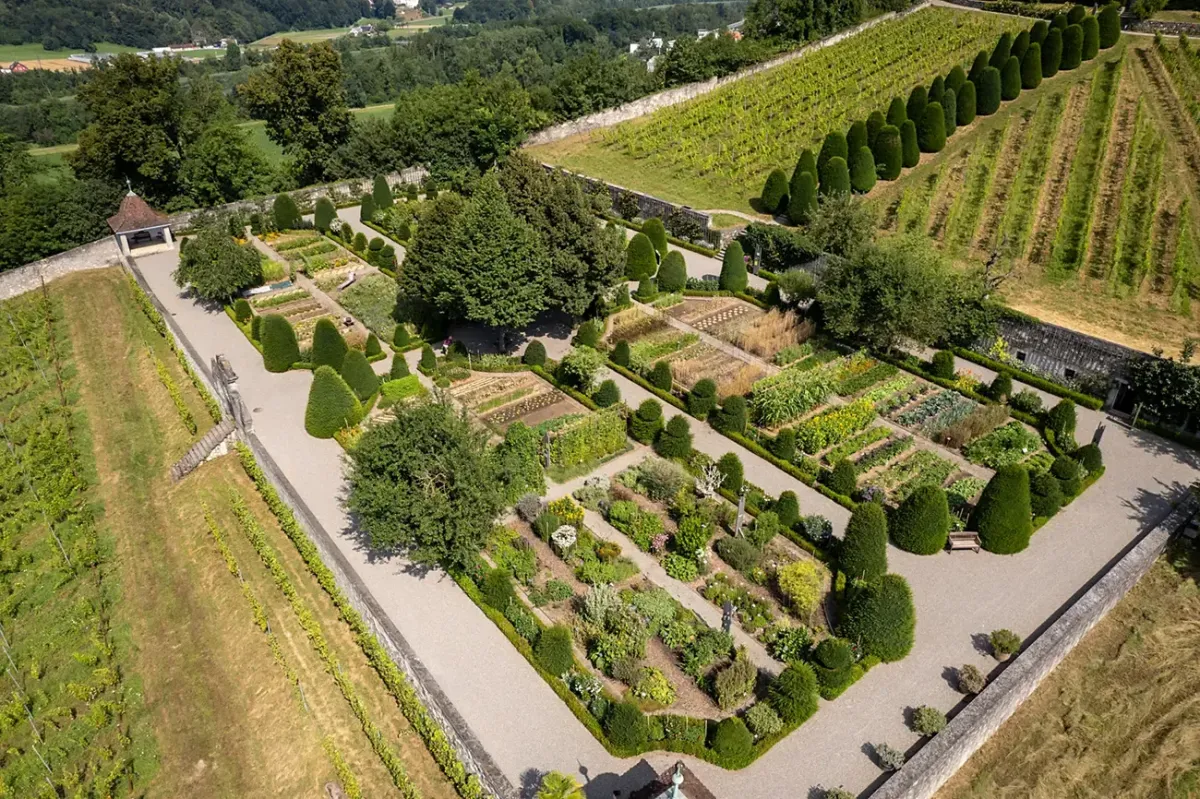
The archive room is also impressive, displaying newer documents alongside a document dated 21 April 1298, issued by Knight Hartmann ‘Schenk von Wildegg’. The complex, which was later converted into a Baroque palace, is also famous and well worth seeing today for its magnificent pleasure garden, a pheasantry, an annual tulip bulb and gourmet market in September, and an atmospheric Christmas market at the beginning of December.
Wildegg Castle today